
Categories
Window Film and Tints

Window Films for Toronto Properties: A Practical Look at Privacy, Comfort, and Everyday Use

Window films are one of the most searched window upgrades in Toronto and the GTA. People search for window films when privacy feels weak, glare makes screens hard to see, or rooms feel too hot in summer and too cold in winter.

Most searches for window films come from frustration. A condo window faces another tower. A shop feels exposed at night. An office gets blasted by sun every afternoon. Window films are used across Toronto to fix these problems without replacing the glass.

This guide explains window films in clear, simple language. It is written for homeowners, condo residents, and business owners who want real answers, not sales talk.

By the end of this guide, you will understand:

  • What window films are and how they work
  • The difference between decorative, privacy, and office window films
  • When window films work better than blinds or curtains
  • Common mistakes seen in Toronto homes and offices
  • How to choose window films that solve real problems

What Window Films Are and Why They’re Used in Toronto

Window films are thin layers installed directly on glass. A professional window tinting service installs the film on the inside of the window in most Toronto buildings.

People choose window films because window replacement is expensive and slow. In many condos, replacing windows is not allowed. Window films work with the glass already in place.

Across Toronto and the GTA, window films are used to:

  • Add privacy without blocking daylight
  • Reduce glare on TVs and computer screens
  • Block UV rays that fade floors and furniture
  • Make rooms feel more comfortable near windows
  • Change the look of clear glass

In winter, rooms near large windows feel cold even when heat is on. In summer, west and south facing windows trap heat by mid afternoon. Window films help reduce both issues.

If you are new to the topic, this overview explains the basics in plain terms: introduction to window films.

Decorative Window Films That Balance Light and Privacy

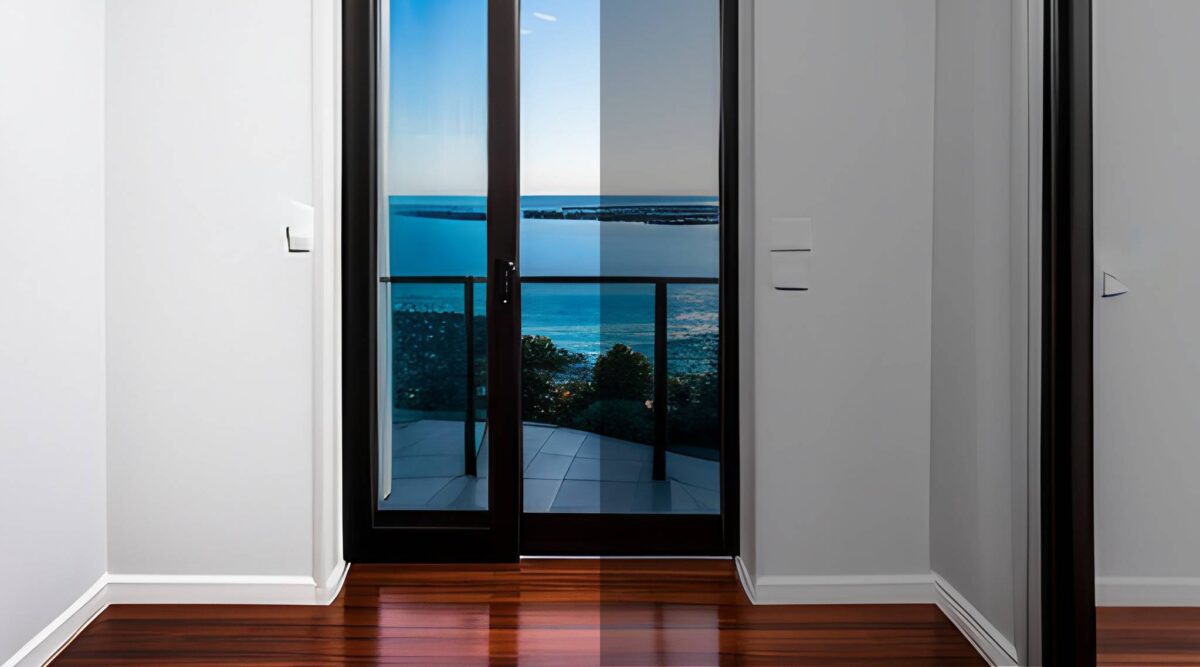
Decorative window films change how glass looks while still letting light pass through. Many people think decorative window films are only for style. In real homes, they are often chosen for privacy.

Decorative window films include frosted finishes, soft textures, lines, and etched glass looks.

In Toronto homes, decorative window films are commonly used in:

  • Bathrooms facing nearby houses
  • Front doors with clear glass inserts
  • Stairwells with exposed windows
  • Condos with shared balconies

New local example from High Park. A renovated semi had a tall stair window facing the neighbour’s yard. Curtains blocked daylight and collected dust. A frosted decorative window film fixed privacy and kept the space bright.

Decorative window films are also popular in clinics, salons, and small offices. They add separation without closing the room.

For common styles and real uses, this article shows helpful examples: decorative window film ideas.

A frequent mistake is choosing a decorative pattern without checking night privacy. Some films blur views during the day but show shadows when lights are on inside.

Privacy Window Films and the Day vs Night Issue

Privacy window films are often misunderstood. Many Toronto buyers assume all privacy films work the same way.

There are two main types.

Daytime privacy window films use a reflective surface. They block views during daylight hours. At night, the effect reverses when interior lights are on.

Full privacy window films include frosted, matte, and blackout films. Privacy stays the same day and night.

Downtown condos often choose reflective films to keep views while blocking nearby buildings during the day. Ground-floor homes usually need full privacy window films.

New example from North York. A ground-level office faced a parking lot. Reflective film worked during the day but failed after sunset. Switching to frosted privacy film solved the issue in one visit.

If privacy is the main goal, this guide explains options clearly: privacy window films explained.

Office Window Films for Glare, Heat, and Focus

Office window films help reduce glare, control heat, and add privacy in work spaces. Large glass walls look modern but cause daily problems.

Office window films are commonly used to:

  • Reduce screen glare
  • Add meeting room privacy
  • Control heat near windows
  • Improve staff comfort
  • Add light branding to glass

In Markham and Vaughan offices, west-facing glass causes glare by mid afternoon. Staff move desks or close blinds. Office window films fix glare without darkening the room.

Many Toronto offices are leased. Window films can be removed later, which helps when tenants or layouts change.

This short video explains glare control in simple terms: how window films reduce glare.

Window Films vs Blinds and Curtains in Toronto Buildings

Blinds and curtains still work in some homes. In condos and offices, they often cause problems.

Window films don’t collect dust. They don’t block floor space. They work well in small rooms.

In Toronto condos, blinds sometimes clash with building rules or window shapes. Window films are installed inside and are usually allowed.

If you are choosing between film and replacing windows, this comparison helps explain the difference: window films vs window replacements.

Common Window Film Mistakes Seen in Toronto

Most problems happen when people choose window films without a clear goal.

  • Using reflective film for night privacy
  • Picking dark film instead of glare control
  • Ignoring condo or office rules
  • Using DIY film on large glass panels

Poor installation causes bubbles, peeling edges, and dust under the film. This shortens film life fast.

How to Choose the Right Window Films for Your Space

Start with the problem.

  • Too much glare means glare control film
  • Feeling exposed means privacy film
  • Heat buildup means solar window film
  • Plain glass means decorative film

Toronto buildings use many glass types. What works in a detached home may not work in a condo tower.

Natural Resources Canada explains how windows affect comfort and energy use here: NRCan window buyer guide.

Why Local Experience Matters With Window Films

Toronto weather, glass coatings, and building rules affect how window films perform.

Condos downtown often use coated glass. Older homes in East York use plain glass. Offices in Mississauga use large curtain wall systems.

Local installers understand these differences. This avoids wasted time and poor installs.

Final Thoughts and Next Steps

Window films fix real problems in Toronto homes and offices. Privacy improves. Glare drops. Rooms feel better near windows.

If you’re unsure, start with one window. Test the film. Live with it for a few days.

If you want clear advice and professional installation, visit Tintly Window Films to see how window films can work for your home or business.
Categories
Window Film and Tints

Removing Window Film Is It a DIY Job

# Removing Window Film: Is It a DIY Job?

Window films have become a popular solution for enhancing privacy, reducing glare, and improving energy efficiency in homes and cars. However, there comes a time when you may need to remove the window film. Whether it’s due to wear and tear, a change in style, or simply wanting to upgrade to a newer film, the question arises: Is removing window film a DIY job?

In this article, we’ll delve into the intricacies of window film removal, exploring the steps involved, the tools required, and whether tackling this project on your own is advisable. We’ll also provide insights into when it might be best to seek professional help.

Window film application process

Before we dive into the removal process, it’s important to understand what window film is and why it’s used. Window film is a thin laminate film that can be installed on the interior or exterior of glass surfaces in homes and vehicles. It serves multiple purposes:

  • Privacy Enhancement: Tinted films can obscure the view from outside, offering privacy without sacrificing natural light.
  • UV Protection: Films can block harmful ultraviolet rays, protecting interiors from fading and reducing the risk of skin damage.
  • Energy Efficiency: By reducing solar heat gain, window films help maintain a comfortable indoor temperature, potentially lowering energy bills.
  • Glare Reduction: Films can minimize glare on screens, making it easier to view digital devices and televisions.

Reasons for Removing Window Film

Old window film peeling

There are several reasons why you might consider removing window film:

  • Aesthetic Changes: You may want to update the look of your windows with a new design or tint.
  • Film Deterioration: Over time, films can become discolored, bubble, or peel, necessitating removal.
  • Property Sale: New owners might prefer a different style or no film at all.
  • Legal Requirements: In some regions, regulations around vehicle window tinting may require removal or adjustment.

The DIY Window Film Removal Process

Removing window film might seem daunting, but with the right tools and a bit of patience, it can be accomplished as a DIY project. Here’s a step-by-step guide:

Gather Your Tools

To begin, you’ll need the following tools:

  • A utility knife or razor blade
  • A spray bottle filled with soapy water
  • A hairdryer or heat gun
  • A squeegee or scraper
  • Microfiber cloths

Step 1: Soften the Adhesive

Start by using a hairdryer or heat gun to warm the window film. This helps soften the adhesive, making the film easier to peel off. Hold the hairdryer a few inches away from the glass, moving it slowly across the surface.

Step 2: Peel the Film

Using your utility knife, carefully lift a corner of the film. Once you have a grip, slowly peel the film away from the glass. If it resists, apply more heat to soften the adhesive further.

Step 3: Remove Residual Adhesive

After removing the film, there may be adhesive residue left on the glass. Spray the soapy water onto the affected area and use the squeegee or scraper to gently remove the residue. Wipe the glass clean with a microfiber cloth.

Step 4: Clean the Glass

Finally, clean the glass thoroughly with a glass cleaner to ensure it’s free of any remaining adhesive or streaks.

Challenges You Might Encounter

While removing window film can be a straightforward process, there are potential challenges:

  • Stubborn Adhesive: Some adhesives can be particularly tenacious, requiring extra effort and patience to remove.
  • Scratches: Using a razor blade on glass carries the risk of scratching if not done carefully.
  • Time-Consuming: Depending on the size and number of windows, the process can be time-consuming.

When to Call in the Professionals

Professional window film removal

by Maryam F. (https://unsplash.com/@encoreunemaryam)

While DIY removal is possible, there are situations where it might be best to consult a professional:

  • Large or High Windows: For windows that are difficult to reach or particularly large, a professional can ensure safe and efficient removal.
  • Expensive Vehicles: On high-end vehicles, preserving the integrity of the glass and surrounding surfaces might warrant professional services.
  • Lack of Time or Tools: If you’re short on time or don’t have the necessary tools, hiring a professional can be a worthwhile investment.

Conclusion: Is It Worth Doing It Yourself?

Removing window film can certainly be a DIY task if you’re equipped with the right tools and a bit of patience. However, weighing the challenges and potential for damage against the cost and convenience of professional services is crucial. For those who prefer a hassle-free experience, or when dealing with complex situations, professional removal might be the best option.

Ultimately, whether you choose to tackle it yourself or call in the experts, understanding the process and the purpose of window film will help you make an informed decision. By doing so, you can ensure that your windows remain a functional and stylish element of your home or vehicle.

Categories
Window Film and Tints

Residential vs Commercial Window Films: A Practical Guide for Toronto Homes and Businesses

Window films are one of the most searched window upgrades in Toronto and the GTA. People search for window films because rooms feel too hot in summer, glare makes work hard, privacy feels weak, or energy bills keep creeping up. Business owners search for window films to protect staff, reduce sun exposure, and control large glass areas. Homeowners search because one room feels useless half the year.

The keyword “window films” spikes every summer during heat waves and again in winter when cold glass makes rooms feel drafty. This is not a trend. It is a real need tied to how buildings behave in this climate.

Then people hit a wall.

Residential window films. Commercial window films.

The names sound close. The purpose is very different.

Both are window films. Both stick to glass. Both help with heat, glare, and UV. But they are made for different spaces, different glass types, and different daily use. Picking the wrong one often leads to poor results or regret later.

This guide explains window films in clear language, using real examples from Toronto condos, older homes, retail stores, and offices across the GTA.

Why Window Films Are in Demand Across Toronto

People usually do not search for window films unless something feels off.

Condos near the lake overheat before noon. Homes in East York feel cold near big windows in January. Offices downtown deal with screen glare every afternoon. Retail shops worry about broken glass after dark.

Window films help fix many of these issues without replacing windows or opening walls.

The trouble starts when all window films get treated like the same product.

Residential Window Films Explained in Plain Words

Residential window films are made for places where people live. Houses. Condos. Townhomes. Basement units. Bedrooms. Living rooms. Kitchens.

Across the GTA, residential window films show up in south-facing condos downtown, semi-detached homes in North York, townhomes in Vaughan, and older houses with large street-facing windows.

Homeowners usually reach out after these problems show up:

  • One room feels much hotter than the rest
  • Glare hits the TV or laptop every afternoon
  • Neighbours can see straight inside at night
  • Furniture and floors start to fade
  • Heating and cooling bills feel higher every year

Residential window films help with these problems while keeping the home looking normal.

Many people start by learning the basics of window films so they know what film can and cannot do.

What Residential Window Films Are Made to Do

Residential window films focus on comfort and appearance.

  • They reduce heat before it enters the glass
  • They cut glare without killing daylight
  • They block UV rays that cause fading
  • They improve daytime privacy
  • They help rooms feel more even year round

Most residential window films are thinner than commercial films. This matters because home glass reacts more to fast temperature changes, especially during Toronto winters.

How Residential Window Films Look Inside a Home

Most homeowners want light, not dark rooms.

Residential window films are designed to stay subtle.

  • Clear or near-clear heat control films
  • Light neutral tints
  • Frosted films for bathrooms and entry doors
  • Soft reflective films for daytime privacy

Reflective films lose privacy at night once lights turn on. Frosted films block views all day. This detail confuses many people.

New Example: Semi-Detached Home in Leslieville

A homeowner in Leslieville had a front room that overheated every afternoon. Curtains helped, but the room felt dark and closed.

A residential window film was installed with strong heat rejection but low tint. The room cooled down. Daylight stayed. The street look did not change.

This is a common use of window films in older Toronto homes.

Installing Residential Window Films in the GTA

Toronto homes use many types of glass. Single-pane windows. Double-pane units. Triple-pane condo glass. Bay windows. Sliding doors.

A proper installer checks:

  • Glass type
  • Window age
  • Seal condition
  • Sun direction

The wrong window film on the wrong glass can cause stress cracks. This risk rises during winter cold snaps. That is why residential window films should be installed by teams familiar with GTA housing.

Many homeowners also compare film to replacement. This breakdown of window films versus window replacements explains why film often comes first.

Commercial Window Films for Offices and Public Buildings

Commercial window films are made for offices, retail stores, clinics, schools, and condo common areas.

In Toronto and the GTA, commercial window films are used in downtown office towers, street-level shops, medical buildings, and plazas.

The problems here affect more people and larger glass areas.

What Commercial Window Films Are Built For

Commercial window films focus on durability and performance.

  • They control heat across large glass surfaces
  • They reduce glare on office screens
  • They improve comfort for staff and visitors
  • They add privacy to clinics and offices
  • They support safety and security needs

Many commercial window films are thicker than residential films. Some include layers that help hold broken glass together after impact.

Office Comfort and Daily Work

This problem shows up in almost every office.

Desks near windows feel hot. Desks farther away feel cold. People move monitors and chairs all day.

Commercial window films reduce solar heat gain across the space. This helps balance temperatures and cut glare without touching HVAC systems.

New Example: Small Tech Office in Liberty Village

A tech office in Liberty Village dealt with heavy glare during late afternoons. Staff blocked windows with paper and boxes.

Commercial window film was installed on west-facing glass. Glare dropped fast. Natural light stayed. Complaints stopped.

The office felt calmer and easier to work in.

Retail and Glass Safety in Toronto

Retail shops across Toronto face smash-and-grab risks. Glass breaks fast.

Some commercial window films include safety layers that slow entry and keep glass together.

This guide on security window films explains how that works in simple terms.

Installing Commercial Window Films

Commercial installs take planning.

  • Large glass areas
  • Lifts or scaffolding
  • After-hours work
  • Building approvals

Poor installs peel, bubble, or fail inspection. Experience matters.

Residential Window Films vs Commercial Window Films

Residential window films focus on comfort, privacy, and appearance in living spaces.

Commercial window films focus on performance, durability, and safety in work spaces.

Both are window films. They solve different problems.

Window Films, Heat, and UV Exposure

Toronto summers bring strong sun through south and west windows. Winters bring cold glass and drafts. UV exposure happens all year.

Window films help manage heat and UV when the correct film is used.

Natural Resources Canada explains how windows affect heat loss and gain here: Upgrading windows and exterior doors.

The Skin Cancer Foundation also explains UV through glass here: UV exposure through windows.

Cost Questions People Ask About Window Films

Many people ask if window films cost less than replacing windows. In most cases, yes.

Window films install faster, cost less, and avoid construction mess. They do not fix rotten frames. They help with comfort, glare, privacy, and fading.

Why Local Experience Matters

Toronto buildings vary a lot. Old homes. New towers. Heritage rules. Condo boards.

Installers with local experience know which window films perform well in GTA weather and which products last.

Final Thoughts for Property Owners

Window films are not one-size-fits-all.

Residential window films and commercial window films both work when used in the right place. Choosing the wrong type causes problems later.

If you want clear advice from a local team that installs window films across Toronto and the GTA, visit Tintly Window Films and get straight answers before deciding.

Categories
Derma Roller

What Benefits Can You Get from Microneedling?

Do you want to improve the health and overall look of your skin? Then try to do microneedling at the comforts of your own home. All it takes is for you to use a small dermaroller, which contains small needles designed to heal a number of skin issues, including acne scars and sagging.

It is also a good skincare procedure because it is painless while being effective in revitalizing your damaged skin cells. To enhance the effect of microneedling, you need to use it with hyaluronic acid or any type of serum. What is good about the entire procedure is that it lets your skin absorb the used serum by around eighty to ninety percent.

This prevents the development of the early signs of aging, like fine lines and wrinkles. It also ensures that you will not experience other skin conditions, including sun damage, age spots, and stretch marks. Other benefits or positive effects from microneedling are:

  • Makes your skin firmer – Note that your skin’s elasticity tends to diminish with age. With the help of a dermaroller, which is used in the microneedling process, it is possible for you to encourage epidermal development, which also works in boosting collagen and elastin production. Both can help make your skin firmer and plumper.
  • Eliminates scars – You can also take advantage of microneedling if you want your scars to fade, especially those caused by acne. In fact, a research study that the Journal of Cutaneous and Aesthetic Surgery conducted and published last 2009 proved how effective this procedure is in diminishing acne scars. A lot of those who underwent the procedure said that their skin improved after it.
  • Promotes glowing skin – It is also possible to bring back the youthful glow of your skin through microneedling. Just make sure to use serums, such as hyaluronic acid, together with the microneedling procedure to further enhance its effectiveness in brightening your skin. In addition, the use of a dermaroller provides better skin brightening results than other skincare products and treatments.
  • Inexpensive – Another advantage of microneedling at home is that the whole process is not expensive. Note that other advanced skincare procedures, like laser skin resurfacing, are expensive. There is even a great possibility to spend at least a thousand dollars for each session. The micro dermaroller, on the other hand, only costs approximately $50, thereby allowing you to save a lot when it comes to skincare products.

Microneedling can indeed do a lot of good things for those who decided to try it out. It brings back your skin’s glow, making you look fresh and beautiful. It is a budget-friendly solution when it comes to improving your skin by making it firm and bright, fading scars, and reversing some premature signs of aging.

Categories
Derma Roller

Finding the Most Suitable Oil or Serum for your Skin Type

Familiarizing yourself about your own skin type is helpful in finding the best products that you can use to make your skin look healthier and beautiful. Note that your skin type contributes a lot in determining the products that will work for you.

For example, if you have dry skin and decided to use harsh and strong cleansers then it is possible for you to experience more breakout. You have to really consider your skin type to find out what skincare product will produce your desired effect. It is also advisable to choose the right serum or oil for your specific skin type.

For Dry Skin

If you discovered that you have dry skin then take note that the use of a mild cleanser once every day is a major help in preparing your skin to absorb a moisturizer or oil for hydration. It would be best to have more Vitamin C if you have dry skin. It would be best to pick a serum containing both Vitamins C and E as both will work in producing good and long-lasting effects on your skin.

For Oily Skin

Having oily skin might stimulate your body to produce sebum in large amounts. This is the main reason behind the oily and greasy feel of your skin. It would be best if you only apply a cleanser and a mild one at that on your skin. Avoid using other products for the skin. It would be perfect to find a serum containing argan oil or Vitamin C. Both can make the oily skin type more balanced, creating an even skin tone.

For Combination Skin

If you have combination skin then note that there are also products suitable for you. For instance, you should consider using a squalene oil if you want to fight acne or pimples. Also, make sure that you use oils without Vitamin E as this might just worsen your breakouts.

Conclusion

No matter what type of skin you have, there is a specific oil that will work for you. Do you want to gather more information about how to choose the right oil for your skin? Then consider visiting our official website. It contains information about products that are compatible with different skin types. In addition, you can access blogs in there that provide information about the most reliable skin care products and treatments.

Categories
Derma Roller

Reasons to Apply Vitamin C and Argan Oil after Being Exposed to the Sun

Are you unfamiliar with argan oil? Then take note that this liquid is famous for its aromatic and exotic nature and from where it is taken from, the nut of the argan tree popular in Morocco. It is famous in Morocco as effective hair care and skin care solution.

If you are interested in using this oil for your skin then consider combining it with Vitamin C. Here are some positive reasons why you should use the combination as part of your skincare routine:

  1. Hydrates your skin – This is especially helpful if your skin experienced a sunburn because in such a case, it is in immediate need of moisture. Proper hydration is necessary for your skin cells to function well and survive. With the help of Argan oil, your skin layers will directly receive moisture, thereby naturally encouraging it to moisturize.
  2. Rich in restorative and anti-inflammatory properties – Another reason to use the oil is that it supplies your body with enough anti-inflammatory properties. This can improve your skin’s healing process by raising the production of collagen.

It also soothes swelling in case your skin suffers from it. Combined with Vitamins A, C, and E, it is possible for your skin to produce new skin cells and recover from certain issues that affect its health.

  1. Lessens the burning sensation and redness caused by sunburns – Combining the use of argan oil and Vitamin C can also treat sunburns by significantly lessening the burning sensation and redness triggered by the condition. It is because both Vitamin C and argan oil can supply vitamins and moisture to your skin. This allows even the deepest layers of your skin to cool down, thereby restoring your skin.
  2. Protects your skin from UV rays – Another reason to use argan oil is that it can supply your body with antioxidants, including Vitamin E. With these antioxidant properties, you can protect your skin cells from the damaging effects of the sun and the buildup of free radicals in your body.

Vitamin C, on the other hand, is rich in ascorbic acid, which is also known as an antioxidant. Using them together can, therefore, strengthen and restore your skin prior to and after getting exposed to the sun.

  1. Prevents skin damage – There is a reason why many consider Vitamin C as an effective treatment for sunburns. It is because of its ability to save damaged skin cells, thereby preventing its severe damage, including peeling. The vitamin even helps you prevent skin cancer by ensuring that your skin cells are safe.

With the many positive things that both argan oil and Vitamin C can do, it surely helps to include it in your regular skin care routines. The good news about the oil is that it is not that difficult to use. You just need to put on a few drops of the oil into your skin upon waking up and prior to going outdoors.