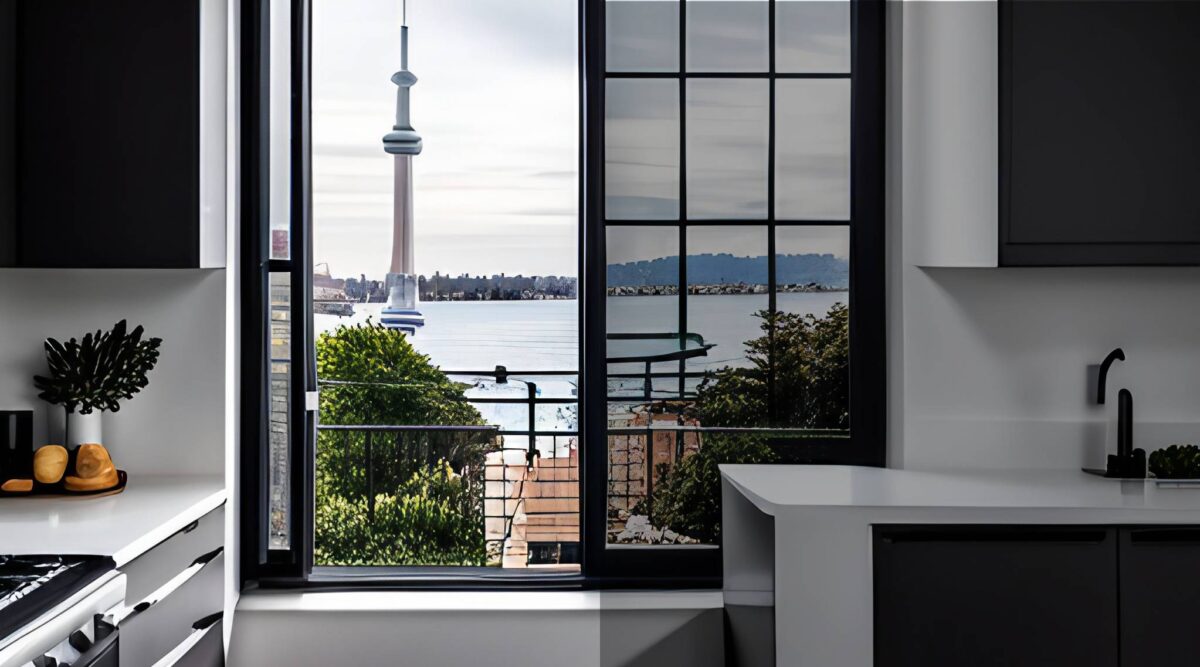
In today’s world, homeowners are constantly seeking ways to enhance their living spaces. They strive to create environments that are not only aesthetically pleasing but also functional and efficient. One effective solution that often goes unnoticed is residential window tinting. This versatile home improvement option offers multiple benefits, from increased privacy to energy efficiency, making it an attractive choice for many. In this article, we will explore the various advantages of residential window tinting and why it might be the perfect addition to your home.
Homeowners are becoming more conscious of their environmental impact and the need for sustainable living practices. As such, they are increasingly turning to solutions that combine style with efficiency. Residential window tinting fits this bill perfectly, offering a simple yet effective way to enhance the comfort and functionality of a home. With advances in technology, the variety and quality of window films available today make it possible to achieve a wide range of benefits, tailored to meet individual homeowner needs.
Residential window tinting involves applying a thin film to the interior or exterior of your windows. This film is designed to reduce glare, block UV rays, and provide a level of privacy, all while maintaining a clear view of the outdoors. Window films come in various shades and materials, allowing homeowners to choose the best option for their specific needs and preferences. From reducing energy costs to protecting your interiors, window tinting serves multiple purposes.
The application of window films is a straightforward process that can dramatically transform your living space. This enhancement is not just limited to functional benefits; it also contributes to the overall aesthetic appeal of your home. With a range of tints and finishes available, you can select a style that complements your home’s architecture and décor, adding an extra layer of sophistication and elegance.
- Solar Control Films: These are designed to reduce heat and glare from the sun, making your home more comfortable and energy-efficient. They are particularly beneficial in regions with intense sunlight, as they help maintain cooler indoor temperatures, thus reducing reliance on air conditioning.
- Privacy Films: These films offer increased privacy by making it difficult for outsiders to see inside while still allowing natural light to enter. This is ideal for homes with large windows or those situated in densely populated areas where privacy is a concern.
- Decorative Films: Available in various patterns and designs, these films add a touch of style to any window. They can be used to create unique visual effects, such as frosted or etched glass, without the expense of replacing existing windows.
Each type of window film serves a specific purpose, and the choice depends on your individual needs. Whether you’re looking to enhance privacy, reduce glare, or simply add a decorative touch, there’s a window film that can fulfill your requirements. By selecting the appropriate film, you can optimize both the functionality and appearance of your home.
One of the primary reasons homeowners opt for window tinting is to increase privacy. Privacy window tint allows you to enjoy natural light without sacrificing your family’s privacy. This is particularly beneficial for homes located in busy neighborhoods or those with large windows facing the street. By installing privacy films, you can create a more secure and intimate environment, free from prying eyes.
Beyond privacy, window tinting also enhances the overall security of your home. The film holds glass together in the event of breakage, reducing the risk of injury from shattered glass and making it more difficult for intruders to gain entry. This added layer of security is invaluable, offering peace of mind that your home is better protected against potential threats.
In addition to privacy, window films can also enhance the security of your home. The film holds glass together in the event of breakage, reducing the risk of injury from shattered glass and making it more difficult for intruders to gain entry. This is particularly advantageous for ground-floor windows, which are more susceptible to break-ins.
Security window films are designed to withstand impacts, making it harder for potential intruders to smash through. This not only deters break-ins but also provides an additional safeguard against natural disasters, such as storms or earthquakes, by preventing glass shattering. Investing in security films is a proactive measure to protect your home and family.
Residential window tinting is an excellent way to improve the energy efficiency of your home. By reducing the amount of heat entering through your windows, window films help maintain a consistent indoor temperature. This reduces the load on your HVAC system, leading to lower energy bills and a smaller carbon footprint. In today’s environmentally conscious world, improving energy efficiency is not just a cost-saving measure; it’s a step towards sustainable living.
Window films are a cost-effective solution to managing home energy consumption. They offer a return on investment through energy savings, which can be substantial over time. As energy prices continue to rise, the decision to install window tinting becomes increasingly economically viable, making it a smart choice for budget-conscious homeowners.
Window films block up to 99% of harmful UV rays, which can cause fading and damage to your furniture, flooring, and artwork. By investing in window tinting, you can extend the lifespan of your interior furnishings and keep them looking new for longer. Protecting your home’s interiors from UV damage not only preserves their beauty but also saves money on replacements and repairs.
UV protection also contributes to the health and well-being of your family. Prolonged exposure to UV rays can lead to skin damage and other health issues. Window films act as a barrier against these harmful rays, reducing the risk of UV-related health problems and ensuring a safer living environment for you and your loved ones.
Glare from the sun can be a significant issue, particularly in rooms with large windows. Window tinting helps to reduce glare, making it easier to watch television, work on a computer, or simply relax without squinting. This improved comfort is invaluable, especially in today’s work-from-home culture, where many spend extended periods indoors.
The reduction of glare not only enhances comfort but also improves productivity and mood. By creating a more pleasant indoor environment, window tinting contributes to a better quality of life. Whether you’re enjoying a quiet day at home or hosting guests, the comfort provided by tinted windows is a noticeable improvement.
Tinted windows help maintain a more consistent indoor temperature by reducing heat gain in the summer and heat loss in the winter. This creates a more comfortable living environment for you and your family, regardless of the season. With consistent temperatures, your home becomes a sanctuary from extreme weather conditions, enhancing overall living conditions.
Maintaining consistent indoor temperatures also helps preserve the structural integrity of your home. By minimizing temperature fluctuations, you reduce the stress on building materials, which can prevent issues such as warping and cracking. This longevity translates to fewer repairs and maintenance costs over time.
Window films are available in various shades, styles, and patterns, allowing you to customize the look of your home to suit your taste. Whether you prefer a sleek, modern appearance or a more traditional look, there is a window film option to match your style. This versatility means that window tinting can enhance the curb appeal of any home, adding value and character.
Beyond aesthetics, window films offer the flexibility to adapt to changing tastes and trends. As your style preferences evolve, you can update your window films to reflect new design choices without the need for extensive renovations. This adaptability is a significant advantage, ensuring your home remains stylish and up-to-date.
Window tinting is a relatively simple process that can be completed quickly by a professional installer. Once installed, window films require minimal maintenance, making them a hassle-free addition to your home. This ease of installation and upkeep is appealing to homeowners who seek improvements without the burden of ongoing maintenance.
The durability of window films means they can withstand the test of time, maintaining their appearance and functionality for years. With just occasional cleaning, your tinted windows will continue to provide benefits long after installation. This low-maintenance solution is ideal for busy households looking to enhance their home without added effort.
When selecting a window film for your home, it’s essential to consider your specific needs and preferences. Factors to consider include the level of privacy you desire, the amount of natural light you want to retain, and any specific aesthetic goals you have in mind. Understanding these factors will help you make an informed decision that aligns with your lifestyle and design vision.
It’s also important to consider the climate and orientation of your home when choosing window tints. Different films offer varying levels of heat reduction and UV protection, so selecting the right one can optimize performance. A thoughtful approach ensures that your window tinting investment delivers maximum benefits.
To ensure you choose the best window tint for your home, consult with a professional installer. They can assess your needs, recommend the most suitable films, and ensure a seamless installation process. Professional expertise is invaluable in navigating the array of available options and finding the perfect fit for your home.
Working with a professional also guarantees quality installation, which is crucial for the longevity and effectiveness of window films. They have the skills and experience to address any challenges that may arise during installation, ensuring your window tinting is both functional and aesthetically pleasing.
Residential window tinting offers a range of benefits that can enhance your home’s comfort, privacy, and energy efficiency. With various styles and options available, window films provide a versatile solution for homeowners looking to improve their living spaces. By investing in window tinting, you can enjoy a more comfortable, stylish, and eco-friendly home for years to come.
In summary, whether you’re seeking increased privacy, reduced energy costs, or enhanced aesthetics, residential window tinting is a worthwhile consideration. Don’t hesitate to explore this innovative home improvement solution and experience the many advantages it has to offer. As you embark on your window tinting journey, you’ll find that the benefits extend beyond the tangible, contributing to a more sustainable and enjoyable lifestyle.