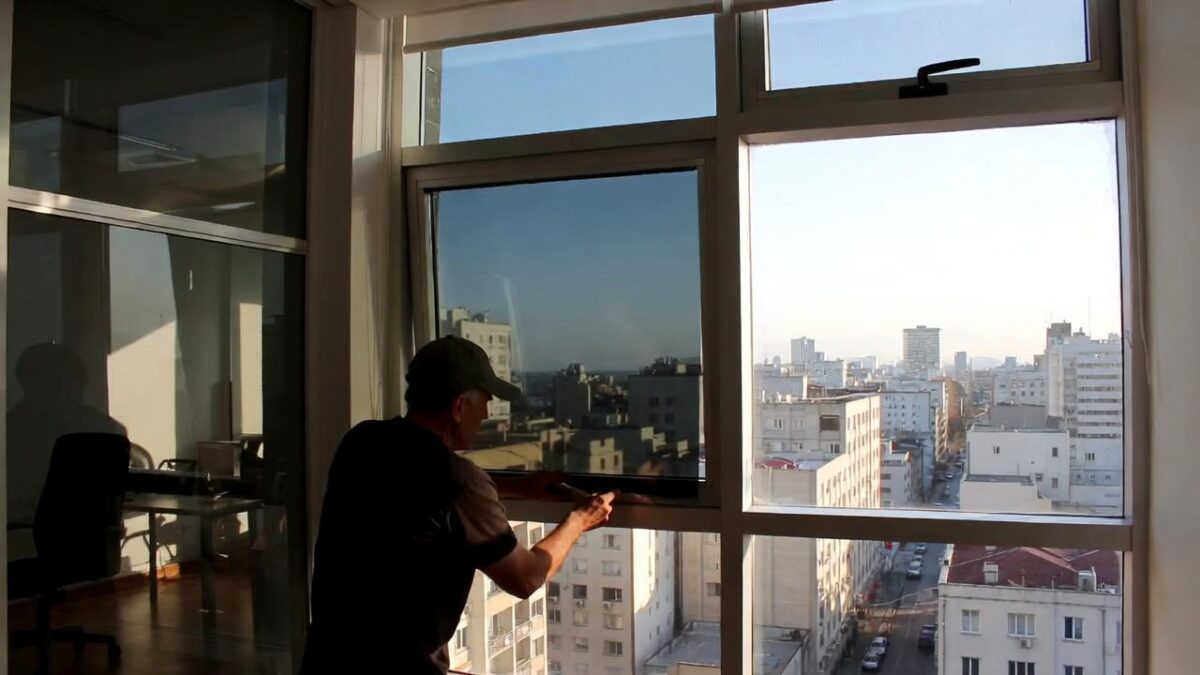
Commercial window tinting is more than just a stylish addition to your building’s exterior. It offers a range of benefits that can enhance the aesthetics, privacy, and energy efficiency of any commercial space. Whether you’re looking to reduce glare, improve comfort, or add a layer of privacy, window tinting can be an effective solution.
In this guide, we’ll explore the essentials of getting started with commercial window tinting, discussing its benefits, types, and the installation process. We’ll also provide insights into choosing the right window tinting for your needs.

Commercial window tinting provides numerous advantages that make it a worthwhile investment for any business owner or property manager. Here are some of the key benefits:
Energy Efficiency
One of the most significant benefits of window tinting is improved energy efficiency. Tinted windows can block up to 85% of solar heat, reducing the need for air conditioning and lowering your energy bills. This makes window tinting an eco-friendly choice that supports sustainable building practices.
Enhanced Privacy
Privacy window films are an excellent way to enhance the privacy of your commercial space. By limiting the view from the outside, these films allow employees to work comfortably without worrying about prying eyes. They also add an extra layer of security by obscuring the interior from potential burglars.
UV Protection
Window films can block up to 99% of harmful UV rays, protecting your employees and customers from potential skin damage. UV protection also prevents furniture, carpets, and artwork from fading, preserving the interior design of your space.
Glare Reduction
Glare from the sun can be a significant distraction in office environments, affecting productivity and comfort. Window tinting reduces glare, creating a more comfortable working environment without sacrificing natural light.
Improved Aesthetics
Tinted windows give commercial buildings a sleek, modern look. With a variety of styles and shades available, you can choose a tint that complements your building’s architecture and enhances its curb appeal.
Types of Window Tinting

When it comes to choosing the right window tinting for your commercial space, it’s important to understand the different options available. Here are some popular types of window films:
Reflective Films
Reflective films are designed to reflect sunlight, significantly reducing heat gain and glare. They provide excellent privacy during the day, making them a popular choice for office buildings.
Dual Reflective Films
These films offer a reflective surface on the outside and a less reflective surface on the inside. This design enhances privacy while maintaining a clear view from inside the building.
Decorative Films
Decorative films add a stylish touch to windows with various patterns, textures, and colors. They can enhance privacy and aesthetics, making them ideal for conference rooms and reception areas.
Security Films
Security films are thicker than standard window films and are designed to hold glass together in the event of breakage. They offer additional protection against break-ins and natural disasters.
Ceramic Films
Ceramic films are non-metallic and non-conductive, making them an excellent choice for high-tech environments. They provide superior heat rejection and UV protection without affecting electronic devices.
Installation Process
The installation of commercial window tinting is a precise process that requires professional expertise. Here’s what you can expect during the installation:
Consultation and Assessment
The first step is a consultation with a window tinting professional. They’ll assess your building’s windows, understand your needs, and recommend the most suitable film options.
Preparation
Before installation, the windows must be thoroughly cleaned to ensure proper adhesion. This involves removing any dirt, dust, and debris from the glass surface.
Film Application
A professional installer will cut the window film to fit your windows precisely. They’ll apply the film using a special adhesive and smooth out any bubbles or wrinkles.
Drying and Curing
After installation, the film needs time to dry and cure. This process can take several days, during which the film should not be disturbed or cleaned.
Choosing the Right Window Tinting

by Asao Tani (https://unsplash.com/@asaotani)
Selecting the right window tinting involves considering several factors, including:
- Purpose: Determine whether you need tinting for privacy, aesthetics, energy efficiency, or security.
- Budget: Consider your budget and the long-term savings from energy efficiency.
- Regulations: Check local building codes and regulations regarding window tinting.
- Aesthetics: Choose a tint that complements your building’s design and architecture.
Conclusion
Commercial window tinting is a versatile and beneficial solution for enhancing the comfort, security, and aesthetics of any commercial space. By understanding the benefits, types, and installation process, you can make an informed decision that meets your business needs.
If you’re considering window tinting for your commercial property, consult with a professional installer to explore your options and ensure a high-quality installation. With the right tinting, you can create a more comfortable, energy-efficient, and stylish environment for your employees and clients.
By investing in commercial window tinting, you’re not only improving the functionality and appearance of your building but also contributing to a more sustainable and cost-effective operation.“`