Categories
Window Film and Tints

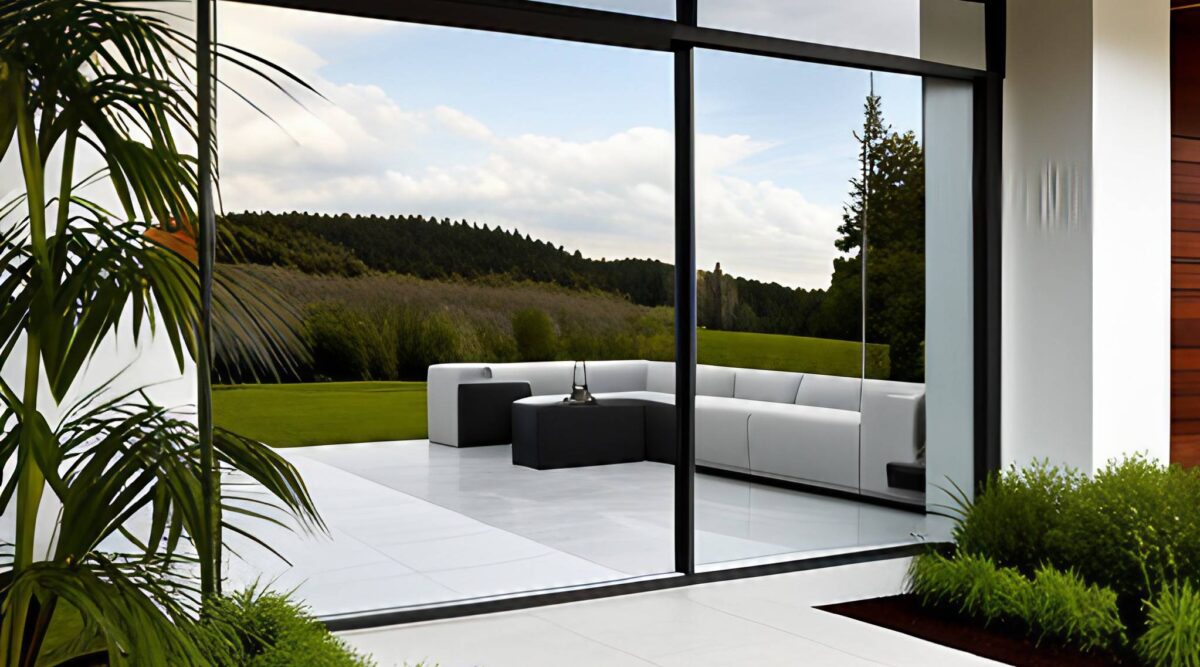
one sided glass film

In today’s world, creating a space that balances privacy, aesthetics, and functionality is a top priority for homeowners and interior designers alike. One solution that has gained immense popularity is the use of one sided glass film. This innovative window treatment offers numerous benefits, making it a preferred choice for those looking to enhance their living spaces. In this guide, we’ll explore what one sided glass film is, its benefits, and how it can transform your home or office.

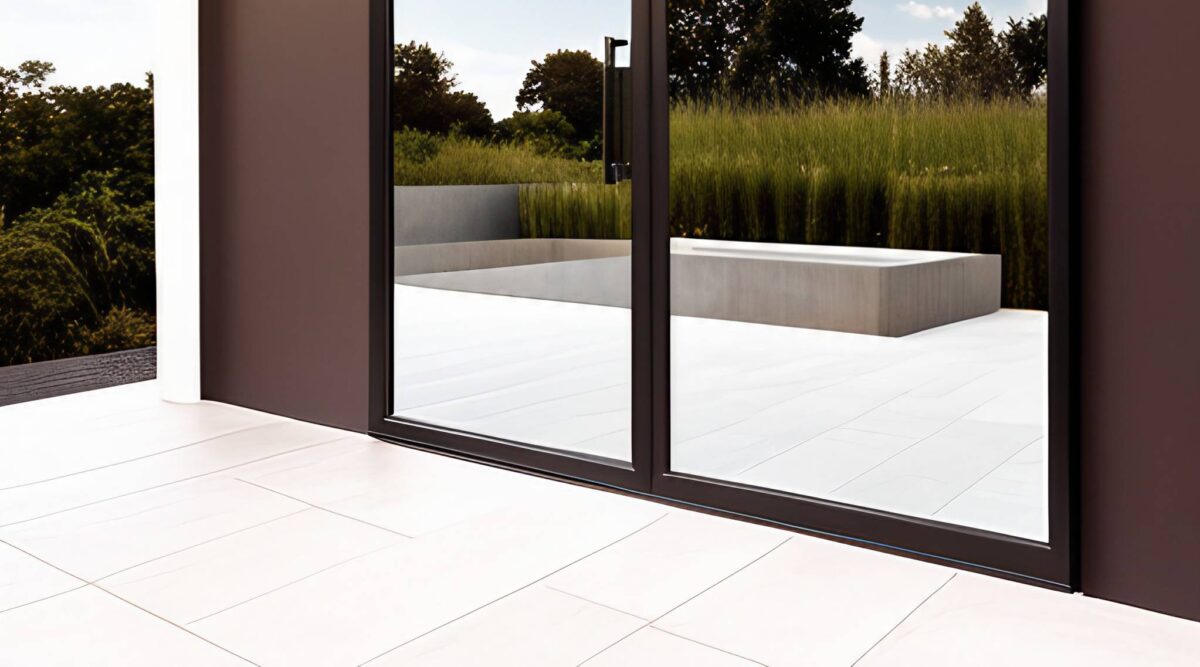
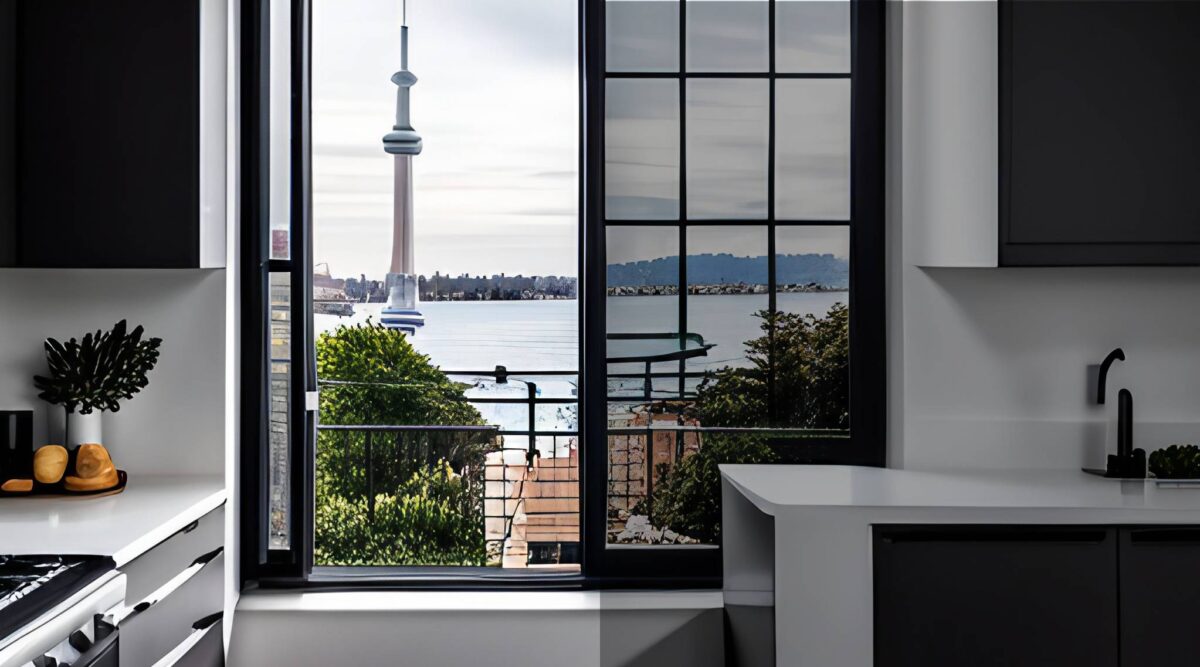
modern office with one sided glass film

What is One Sided Glass Film?

One sided glass film, often referred to as one way window tint or one way mirror film, is a specialized film applied to glass surfaces. This film allows you to see out of the window while preventing others from seeing in. During the day, the film provides a mirrored effect on the exterior, offering enhanced privacy without compromising natural light. It’s an ideal solution for those who want to maintain a connection with the outside world while keeping their interiors private.

How Does It Work?

The magic of one sided glass film lies in its reflective properties. The film is designed to reflect more light on one side than the other. During daylight, when there is more light outside, the film reflects the exterior light, creating a mirrored effect. This effect makes it difficult for outsiders to see inside, while those inside can still enjoy unobstructed views.

explaining one sided glass film mechanism

Benefits of One Sided Glass Film

Choosing one sided glass film for your home or office comes with a variety of advantages:

Enhanced Privacy

The primary benefit of one sided glass film is privacy. Whether you’re in a bustling urban area or a quiet suburb, this film ensures that prying eyes cannot see into your space during the day. It’s perfect for street-level windows, office spaces, and any area where privacy is a concern.

Energy Efficiency

One sided glass film can also contribute to energy savings. By reflecting sunlight, the film helps in reducing heat gain during summer months, which can lead to lower cooling costs. In winter, it can help retain heat inside, making your space more comfortable and energy-efficient year-round.

UV Protection

Harmful UV rays can cause furniture, carpets, and artwork to fade over time. One sided glass film blocks a significant portion of UV rays, protecting your interiors from sun damage and prolonging the life of your belongings.

Aesthetic Appeal

With various designs and shades available, one sided glass film can enhance the overall look of your windows and complement your interior design. It adds a modern touch to any space, making it not only functional but also stylish.

Easy Installation and Maintenance

Installing one sided glass film is a straightforward process, often completed without the need for professional help. Once installed, the film requires minimal maintenance, making it a hassle-free addition to your home or office.

Choosing the Right One Sided Glass Film

When selecting the right one sided glass film, consider factors such as the level of privacy needed, the aesthetic appeal, and your budget. Here are some tips to help you make the best choice:

Assess Your Needs

Identify the primary reason for installing the film. Is it for privacy, energy efficiency, or aesthetic enhancement? Understanding your needs will guide you in choosing the right type of film.

Consider the Light Conditions

One sided glass film works best when there is a significant difference in light levels between the inside and outside. If you require privacy at night, consider additional window treatments like curtains or blinds.

Explore Design Options

There are numerous design options available, from clear to tinted films with decorative patterns. Choose a film that complements the interior design of your space while meeting your functional requirements.

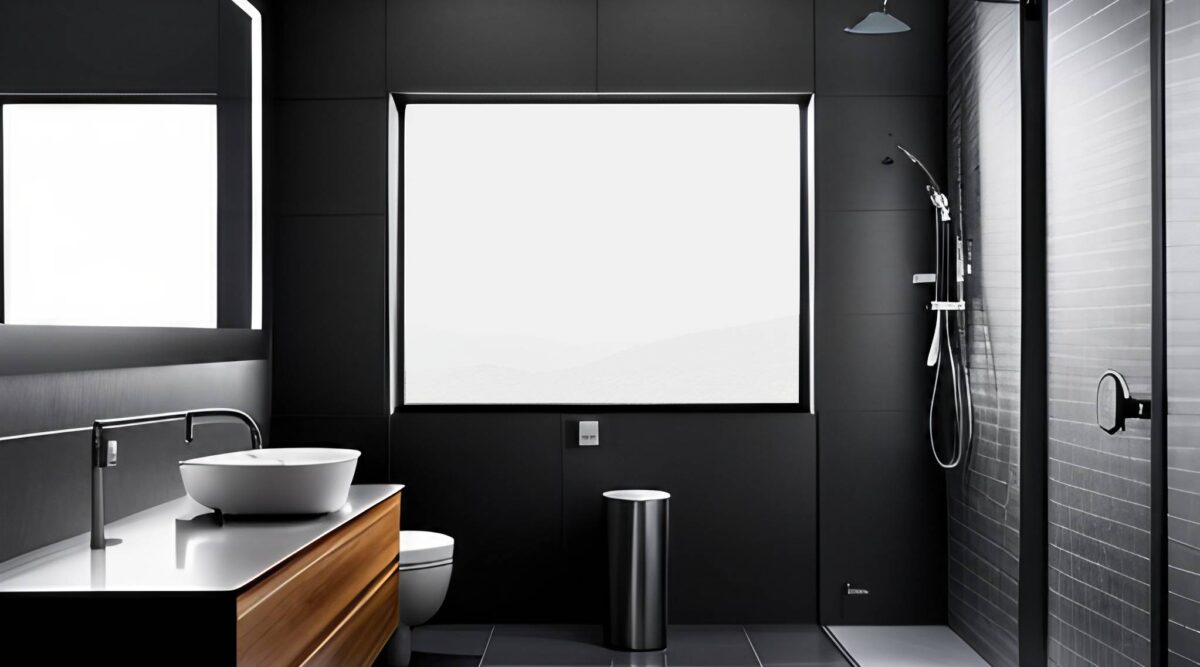
variety of one sided glass film designs

by Annie Spratt (https://unsplash.com/@anniespratt)

Budget Considerations

One sided glass films come in a range of prices, depending on their features and quality. Determine your budget beforehand to narrow down your options and avoid overspending.

Installation Process

Installing one sided glass film can be a DIY project for those who enjoy hands-on tasks. However, for larger windows or complex installations, hiring a professional may be advisable to ensure a flawless finish.

DIY Installation Steps

  1. Clean the Window: Start by thoroughly cleaning the window surface to remove dust, dirt, and grease.
  2. Measure and Cut the Film: Measure the window and cut the film to size, leaving a slight overlap for trimming.
  3. Apply the Film: Peel the backing off the film and apply it to the window, starting from the top. Use a squeegee to remove air bubbles and ensure a smooth application.
  4. Trim Excess Film: Use a sharp utility knife to trim any excess film from the edges.
  5. Final Touches: Wipe the window with a clean cloth to remove any remaining solution or fingerprints.

Maintenance Tips

To keep your one sided glass film in excellent condition, follow these maintenance tips:

  • Clean with Care: Use a soft cloth and mild soapy water to clean the film. Avoid abrasive materials that can scratch the surface.
  • Inspect Regularly: Periodically check the edges for peeling or bubbling and address any issues promptly.
  • Protect from Damage: Be mindful of sharp objects or furniture that could scratch or damage the film.

Conclusion

One sided glass film is a versatile and effective solution for enhancing privacy, improving energy efficiency, and adding a touch of style to any space. Whether you’re a homeowner looking to upgrade your windows or an interior designer seeking cost-effective solutions for clients, one sided glass film offers a range of benefits that are hard to ignore. By selecting the right film and ensuring proper installation and maintenance, you can enjoy a comfortable, stylish, and private environment for years to come.

Embrace the elegance and functionality of one sided glass film and transform your living or working space into a haven of privacy and style.

Categories
Window Film and Tints

Important Things to Consider About Window Tinting Service

Window tinting is more than just a style choice; it’s a functional home improvement solution that can transform both residential and commercial spaces. Whether you’re looking to enhance privacy, improve energy efficiency, or simply give a sleek look to your windows, understanding the nuances of window tinting service is crucial. In this guide, we’ll explore the key aspects to consider when opting for a window tinting service, ensuring that you make an informed decision that suits your needs.

Sunlight filtering through tinted windows

Enhanced Privacy

One of the primary reasons people choose window tinting is for increased privacy. Privacy window films are designed to obscure the view into your home from the outside, allowing you to enjoy natural light without compromising your privacy. This feature is particularly beneficial for homes in busy neighborhoods or those with large, street-facing windows.

Energy Efficiency

Window tinting can significantly reduce the amount of heat and ultraviolet (UV) rays that enter your home. This not only keeps your home cooler during hot months but also helps to reduce energy bills by decreasing the need for air conditioning. By blocking harmful UV rays, window films also protect your furnishings from fading, prolonging their lifespan.

Aesthetic Appeal

Window tinting offers a sleek and modern look to any building. With various shades and styles available, you can choose a tint that complements your home’s design. Whether you prefer a subtle tint or a darker shade for dramatic effect, window tinting adds a sophisticated touch to your property.

Types of Window Films

Different types of window films

Understanding the different types of window films available can help you choose the right one for your needs.

Solar Control Film

This type of film is ideal for energy efficiency. It reflects heat and reduces glare, making your home more comfortable and energy-efficient. It’s a great choice if you want to keep your home cool while reducing your energy consumption.

Privacy Window Film

Privacy films are perfect for those who want to keep prying eyes at bay. They come in various styles, including frosted and mirrored finishes, allowing you to customize the level of privacy you desire.

Decorative Film

For a creative touch, decorative films are available in numerous patterns and colors. They offer an opportunity to personalize your space with a unique design, all while providing privacy and UV protection.

Security Film

Security films are thicker and designed to hold shattered glass together in case of breakage. This added layer of protection is beneficial for both safety and security, making it harder for intruders to gain entry through broken windows.

Considerations When Choosing a Window Tinting Service

Professional Installation

While DIY window tinting kits are available, professional installation ensures a flawless finish and maximum durability. Experienced installers have the skills and tools to apply the film without bubbles or creases, providing a clean and professional look.

Quality of Film

Invest in high-quality window films for long-lasting results. Premium films offer better UV protection, increased durability, and a more attractive appearance. Ask your service provider about the brands they offer and the warranties available.

Cost and Budget

Window tinting costs can vary based on the type of film, the size of your windows, and the complexity of the installation. Get quotes from multiple providers and consider the long-term energy savings when evaluating cost. Remember, investing in quality can save money in repairs or replacements down the line.

Car Window Tinting: What to Know

Tinted car windows reflecting sunlight

by Yasamine June (https://unsplash.com/@yasamine)

While this article focuses on residential window tinting, car window tinting is another popular service. Just like home window tinting, it offers privacy, reduces glare, and enhances the vehicle’s appearance. However, it’s important to be aware of the legal restrictions on tint darkness in your area to ensure compliance with local regulations.

Legal Considerations

Each state or region has specific laws regarding how dark car window tints can be. These laws are in place to ensure driver safety by maintaining adequate visibility. Before tinting your car windows, check the local regulations to avoid fines or the need to remove the tint.

Benefits of Car Window Tinting

Apart from aesthetics, car window tinting helps protect the interior from sun damage, keeps the car cooler, and provides privacy for passengers. It’s an investment that enhances both the comfort and value of your vehicle.

Choosing the Right Service Provider

Selecting the right window tinting service provider is crucial for a satisfactory experience. Here are some tips to help you make the right choice:

Research and Reviews

Start by researching local providers and reading customer reviews. Look for testimonials that highlight quality of service, professionalism, and customer satisfaction. A reputable provider will have positive feedback and a track record of successful installations.

Ask for Recommendations

Seek recommendations from friends, family, or colleagues who have had window tinting services done. Personal experiences can provide valuable insights and help you find a trustworthy provider.

Consultation and Estimates

Contact multiple providers for consultations and estimates. Discuss your specific needs, preferences, and budget. A good provider will offer expert advice, suggest suitable options, and provide a detailed estimate.

Warranty and Aftercare

Inquire about the warranty offered on the window films and installation. A warranty provides peace of mind and ensures that any issues will be addressed promptly. Additionally, ask about aftercare instructions to maintain the longevity and effectiveness of your window tint.

Conclusion

Window tinting is a versatile and beneficial home improvement solution that offers privacy, energy efficiency, and aesthetic appeal. By understanding the types of films available, the benefits they offer, and how to choose a reliable service provider, you can make an informed decision that enhances your living or working space. Whether you’re considering window tinting for your home or car, prioritize quality and professional installation to enjoy the full range of benefits this service has to offer.

Categories
Window Film and Tints

How to Choose the Right Uv Blocking Window Film

When it comes to enhancing the comfort and energy efficiency of your home, UV blocking window films offer an innovative solution. These films not only shield your interiors from harmful ultraviolet rays but also contribute to maintaining a cooler indoor environment. If you’re looking to improve your home’s energy efficiency without compromising on style, this guide will walk you through the essentials of choosing the right UV blocking window film.

UV protection illustration

UV window films are designed to block harmful ultraviolet rays from entering your home. These rays can damage your furniture, flooring, and artwork over time. By applying a UV blocking film, you can protect your interiors from fading while also benefiting from reduced glare and improved privacy.

Benefits of UV Window Films

Protection Against UV Rays

The primary benefit of UV window films is their ability to block up to 99% of harmful UV rays. This reduces the risk of interior fading and helps protect your skin from UV exposure.

Energy Efficiency

UV blocking films can significantly reduce heat gain during summer and heat loss during winter. This can lead to lower energy bills as your heating and cooling systems won’t have to work as hard to maintain a comfortable temperature.

Glare Reduction

If you’re tired of the blinding glare on your TV or computer screen, UV window films can help. By reducing glare, these films create a more comfortable living environment.

Privacy Enhancement

Some UV window films offer increased privacy by making it more difficult for outsiders to see into your home, without sacrificing natural light.

Types of Window Films

Different types of window films

Understanding the different types of window films available is crucial in making the right choice for your home.

Solar Control Films

Solar control films are designed to reduce heat gain and glare. They are ideal for homes in sunny areas, providing significant energy savings by reducing the need for air conditioning.

Decorative Films

These films add aesthetic appeal to your windows with patterns or textures. While they don’t offer the same level of UV protection as other films, they are perfect for enhancing privacy and style.

Security Films

Security films add an extra layer of protection by holding shattered glass together in case of breakage. They are thicker than standard films and provide peace of mind against break-ins and accidents.

Dual Reflective Films

These films have a reflective outer layer that provides privacy during the day and a less reflective inner layer that maintains visibility at night. They are perfect for rooms with a view, allowing you to enjoy the scenery without compromising on privacy.

Choosing the Right Window Film

When selecting a UV blocking window film, consider the following factors:

Purpose and Goals

Determine what you want to achieve with your window film. Are you looking to enhance privacy, reduce glare, or simply protect your interiors from UV damage? Your goals will influence the type of film you choose.

Light and Heat Rejection

Different films offer varying degrees of light and heat rejection. Assess the amount of sunlight your windows receive and choose a film that provides the necessary protection without making your home too dark.

Aesthetic Preferences

If style is important, consider decorative or dual reflective films that complement your home’s interior design. There are numerous styles and patterns available to match any decor.

Budget Considerations

While high-quality films might have a higher upfront cost, they offer better durability and performance. Consider your budget and weigh it against the long-term benefits and potential energy savings.

Installation Tips

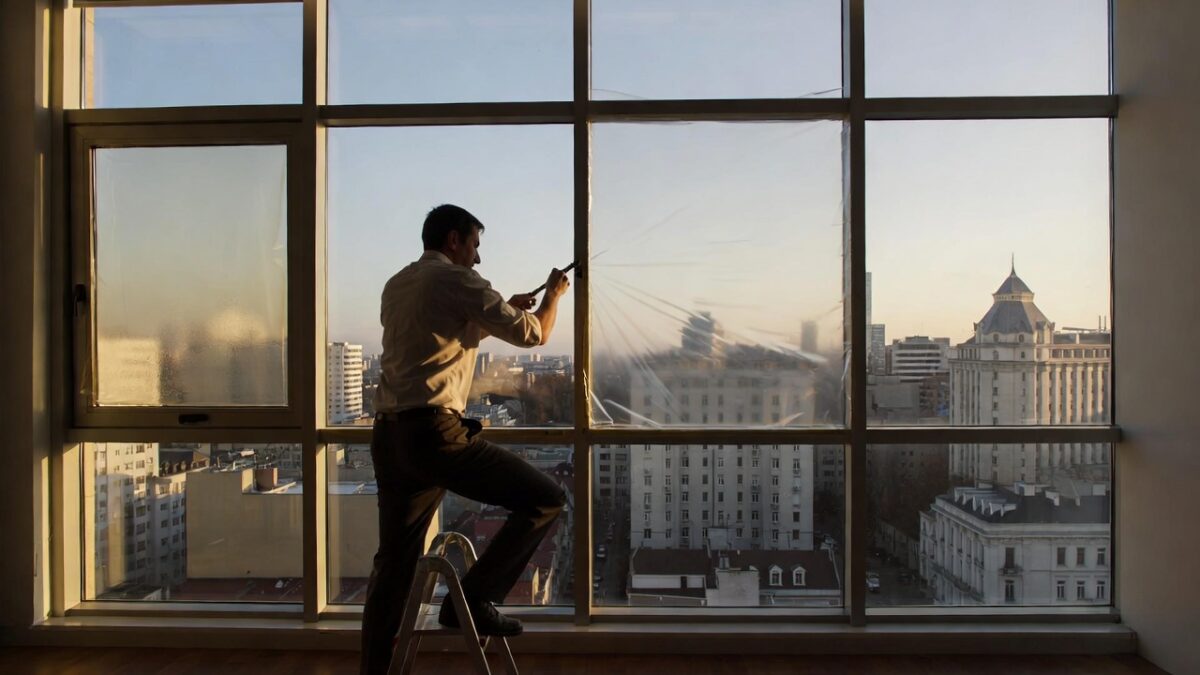
Window film installation process

by truth lee (https://unsplash.com/@soeasily)

Once you’ve chosen the right film, proper installation is key to ensuring its effectiveness and longevity. Here are some tips for a successful installation:

Professional vs. DIY

While DIY installation is possible, hiring a professional ensures a flawless application. Professionals have the expertise and tools to handle large or complex windows, ensuring no bubbles or creases are left behind.

Surface Preparation

Clean the windows thoroughly to remove dirt, dust, and grease. Any impurities can prevent the film from adhering properly, affecting its appearance and performance.

Tools Needed

If you opt for a DIY installation, ensure you have the right tools, including a utility knife, squeegee, and a spray bottle with soapy water. These tools will help you achieve a smooth and even application.

Post-Installation Care

Allow the film to cure for a few days before cleaning the windows. Use a soft cloth and mild cleaning solution to avoid damaging the film.

Real-World Applications and Success Stories

Case Study: The Modern Home

In a modern home setting, a combination of solar control and decorative films was used to enhance energy efficiency while maintaining stylish interiors. The homeowners reported a noticeable reduction in their energy bills and a more comfortable living environment.

Case Study: The Office Space

An office space utilized dual reflective films to improve privacy and reduce glare. Employees appreciated the improved working conditions, and the company benefited from lower cooling costs during the summer.

Conclusion

Choosing the right UV blocking window film can make a significant difference in your home’s comfort, energy efficiency, and aesthetics. By considering your specific needs and preferences, you can select a film that offers the perfect balance of protection, style, and performance. Whether you’re looking to reduce energy costs, protect your interiors, or enhance privacy, UV window films provide a versatile and effective solution.

Embrace the benefits of UV blocking window films and transform your living space into a more comfortable and energy-efficient environment. With the right film, you can enjoy the beauty of natural light without the drawbacks of UV exposure and excessive heat.

Categories
Window Film and Tints

Window Films in Toronto and the GTA: Real Pricing, Real Uses, and What Impacts the Cost

If you are searching for window films in Toronto or the GTA, you are probably trying to fix something that keeps coming back. Rooms get way too hot in summer. Sun glare makes screens hard to see. People walking by can look straight into your home or shop. Or energy bills feel higher every season, even when nothing else changed.

Window films show up in search results because they deal with these problems without replacing the windows. That matters in Toronto, where many homes and buildings have good glass but poor comfort.

One question comes up right away.

How much do window films cost to install in Toronto, and why do prices feel all over the place?

The cost is not one flat number. Window films react different depending on glass type, building age, access, and the goal of the space. Once you understand how window films work in real Toronto homes and businesses, pricing feels less confusing.

This guide explains what window films are, how installation pricing works, and why costs change across Toronto and the GTA.

If you want a full overview of film types and uses, this page on window films is a good place to start.

What Window Films Are and Why People Use Them

Window films are thin layers added to glass. They control heat, light, UV rays, privacy, or safety. Some films do one job. Others handle more than one.

In Toronto and the GTA, window films are commonly installed to help with:

  • Heat buildup during summer months
  • UV damage to floors, furniture, and artwork
  • Glare on TVs, laptops, and monitors
  • Privacy issues near sidewalks or busy streets
  • Safety concerns when glass breaks

A lot of people think the price is only for the film itself. That is not how professional installs work.

Most pricing includes measuring the glass, cleaning and prep, skilled install work, and warranty coverage. The film roll is only one part of the job.

How Much Do Window Films Cost to Install in Toronto?

Window film installation in Toronto and the GTA is usually priced by square footage. The final cost depends on the film type and how easy the glass is to work with.

Common price ranges look like this:

  • Solar or privacy window films: $6 to $12 per square foot
  • Decorative or frosted window films: $8 to $14 per square foot
  • Security window films: $10 per square foot and up

These are general ranges. A small job with easy access can land near the low end. Tall glass, tight spaces, or condo rules push pricing higher.

This guide on window film installation costs breaks down how square footage, labour, and film choice are added together.

Why Window Film Pricing Changes Across Toronto and the GTA

Many people compare Toronto quotes with prices they see online and feel lost. Most online numbers are not based on dense cities or older buildings.

Local factors that affect window film pricing include:

  • Older double-pane glass in many GTA homes
  • Condo rules for elevator bookings and work hours
  • Winter installs that take longer due to cold glass
  • Limited parking and loading downtown

A detached home in Ajax and a condo near Queen and University may use the same window film, but install time is very different.

Window Films for Homes and What Affects the Price

Homeowners usually install window films to improve comfort. Heat control comes up the most. UV damage is close behind. Privacy matters in neighbourhoods close to sidewalks.

Residential installs often cost less because access is easier. Prices go up when windows are tall, angled, or hard to reach.

One recent example came from a semi-detached home in East York. The owner added solar window films to front-facing windows only. Afternoon heat made the living room uncomfortable. The film cut glare and heat without darkening the space. The glass size was standard, so the project stayed near the lower end of pricing.

Another case involved a bungalow in Pickering with large west-facing windows. Summer sun hit hard after 3 p.m. A stronger solar film was used. The film cost more, but the home cooled faster and AC ran less during heat waves.

Many homeowners also compare film to replacing windows. This comparison of window films vs window replacements shows why film is often the lower-cost fix when the glass itself is still in good shape.

Window Films for Businesses and Why Pricing Is Higher

Commercial window film installs usually cost more. The main reasons are scale and scheduling.

Business installs often include:

  • Large glass panels
  • Working around staff or customers
  • Early morning or after-hours installs
  • Safety rules for lifts and ladders

A small café in Leslieville added privacy window films to street-facing glass. Customers felt exposed near the windows. The install was done early morning before opening. Labour time mattered more than film cost.

Another example came from a dental clinic in Mississauga. Frosted window films were added to treatment room glass for patient privacy. Clean edges and detailed cuts increased labour time, which raised the final price.

Do Window Films Help Lower Energy Bills?

For many Toronto homes and businesses, yes.

According to Natural Resources Canada, heat gain through windows plays a large role in summer cooling costs. Solar window films block heat before it enters the space.

In real GTA installs, indoor temperatures often drop by 3 to 5 degrees. AC systems run less. Rooms feel more stable during hot days.

Window films also block most UV rays. The Skin Cancer Foundation confirms UV exposure happens indoors through untreated glass. This helps protect floors, furniture, and retail displays.

Privacy with Window Films Without Making Rooms Dark

Privacy is one of the main reasons people choose window films in Toronto.

Many GTA neighbourhoods sit close to sidewalks. Curtains block light. Blinds make rooms feel closed in. Privacy window films let light in while limiting outside views.

Homes in The Junction and parts of Scarborough often use lighter privacy films on front windows. Offices use patterned or frosted films for meeting rooms.

If privacy is your main goal, this guide on privacy window films shows how different films affect visibility.

How Window Film Quotes Are Usually Given

Most professional installers will not give a firm price without seeing the glass. That is normal.

A proper quote usually includes:

  • Film type and brand
  • Total square footage
  • Install access details
  • Warranty coverage

Be careful with pricing given without measurements. Cheap installs often lead to bubbles, peeling edges, or colour shift later. Fixing poor work costs more.

Choosing a Window Film Installer in Toronto and the GTA

Local experience matters with window films. GTA buildings vary by age, glass type, and rules.

Installers who work locally know condo policies, older glass limits, and seasonal install timing. That saves time and avoids mistakes.

Final Thoughts on Window Films and Installation Costs

Window films are not priced by square footage alone. The building, the glass, and the goal all matter.

For Toronto and GTA homes and businesses, window films are a practical way to manage heat, glare, privacy, and energy use without replacing windows.

If you are collecting quotes, ask clear questions. If answers feel rushed or unclear, trust that feeling.

Good window film installs start with clear info. That keeps results solid years later.

Categories
Window Film and Tints

Must-Know Info About Heat Reflective Window Film

Heat reflective window film on modern windows

In the quest for energy efficiency and enhanced privacy, many homeowners are turning to innovative solutions like heat reflective window film. This modern technology offers a variety of benefits, from reducing energy costs to increasing privacy without sacrificing natural light. If you’re an interior designer looking to provide your clients with stylish and eco-friendly window solutions, understanding the advantages of heat reflective window film is essential.

What Is Heat Reflective Window Film?

Heat reflective window film is a thin layer of material applied to windows to control the amount of solar energy entering a building. It works by reflecting a significant portion of the sun’s heat away from the window, thereby reducing the need for air conditioning during hot months. This type of film is also known as window insulation film due to its ability to enhance energy efficiency.

How Does It Work?

The film is composed of multiple layers of polyester, each treated to reflect solar rays. The top layer is typically metallic, which is responsible for reflecting the heat. When applied to windows, it can block up to 80% of solar heat. This not only helps keep indoor temperatures cooler but also protects interiors from harmful UV rays that can cause fading.

Installation of heat reflective window film

Benefits of Heat Reflective Window Film

Energy Efficiency

One of the primary benefits of heat reflective window film is its ability to improve energy efficiency. By reflecting the sun’s heat, it helps maintain a consistent indoor temperature, reducing the reliance on HVAC systems. This can lead to significant savings on energy bills. For an interior designer, this means offering a solution that not only looks good but also contributes to sustainability.

Enhanced Privacy

Many homeowners seek privacy without wanting to compromise on natural light. Heat reflective window film offers an excellent solution. The film allows light to enter while obscuring the view from the outside during the day. This means you can enjoy the natural light without the prying eyes of passersby, making it an ideal choice for ground-level windows or urban living spaces.

UV Protection

The film also provides protection against harmful UV rays. It can block up to 99% of UV radiation, which helps protect furniture, flooring, and artwork from fading. This is particularly beneficial for spaces with large windows where sunlight exposure is significant. As an interior designer, you can assure clients that their investment in quality furnishings and decor will be safeguarded.

Aesthetic Appeal

Heat reflective window films come in various shades and finishes, allowing you to tailor the appearance to suit different design needs. Whether your client prefers a mirrored finish for a modern look or a subtle tint that complements their interior color scheme, there is an option available. This versatility makes it easy to integrate into any design project.

Types of Window Films

When considering window films, it’s important to understand the different types available, as each offers unique benefits.

Solar Control Films

These are designed primarily to reduce heat gain and glare while maintaining visibility. They are ideal for rooms that experience intense sunlight and can significantly enhance comfort and reduce cooling costs.

Privacy Window Films

These films are specifically designed to increase privacy. They often have a frosted or decorative finish that obscures the view from outside. They are perfect for bathrooms, offices, or any space where privacy is a priority.

Security Films

While not specifically heat reflective, security films offer added strength to windows, making them more resistant to breakage. They are a great option for enhancing safety while also providing some degree of solar control.

Various types of window films

by Hc Digital (https://unsplash.com/@hcdigital)

Installation Process

Installing heat reflective window film is a straightforward process, but it requires precision to ensure maximum effectiveness.

Professional vs. DIY Installation

While DIY installation kits are available, professional installation is recommended for the best results. Professionals have the expertise and tools to ensure a flawless application, free of bubbles and creases. For interior designers, partnering with a professional installer can be a great way to ensure quality service for your clients.

Steps Involved

  1. Window Cleaning: The window surface must be thoroughly cleaned to remove dust, dirt, and any residue. A clean surface is crucial for the film to adhere properly.
  2. Film Application: The film is carefully cut to size and applied to the window using a special adhesive. It’s important to ensure there are no air bubbles trapped between the film and the glass.
  3. Trimming and Finishing: Excess film is trimmed away, and the edges are smoothed to ensure a seamless fit.

Cost Considerations

The cost of heat reflective window film can vary based on factors such as the quality of the film, the size of the windows, and the complexity of the installation. While it represents an upfront investment, the energy savings and extended lifespan of interior furnishings can offset the initial cost over time.

Conclusion

Heat reflective window film offers a multitude of benefits for homeowners and interior designers alike. From enhancing energy efficiency and privacy to protecting against UV damage, it is a versatile solution for modern living spaces. By incorporating heat reflective window film into your design projects, you can provide clients with a stylish and functional enhancement to their homes.

For more information on selecting and installing the right window film for your needs, consider consulting with a professional installer to explore the best options available.

Categories
Window Film and Tints

Window Films for Medical Clinics: A Simple Way to Improve Privacy and Patient Comfort

Window films are one of the most searched solutions for medical clinics dealing with privacy problems. In Toronto and across the GTA, clinics search for window films because glass is everywhere. Glass exam room doors. Glass waiting areas. Glass walls facing sidewalks. Window films come up fast because they fix real issues without big changes.

In healthcare spaces, clear glass can make patients feel exposed. It does not matter how clean or modern the clinic looks. If people feel watched, comfort drops. Window films change how glass works without blocking light or shutting the clinic down. No walls. No noise. No mess.

This article explains how window films help medical clinics, why privacy window films matter so much in healthcare, and how clinics around Toronto use window films every day to fix problems patients complain about.

What Window Films Are and Why Clinics Use Them

Window films are thin layers placed directly onto glass. After installation, the glass looks and feels different. Some window films soften light. Some block views. Some make glass stronger. In medical clinics, privacy window films are the most common option.

Clinics use window films to deal with things like:

  • Patients feeling exposed during exams
  • Glass doors facing busy hallways
  • Waiting rooms visible from the street
  • Treatment areas with no visual separation

Most clinics install window films on the inside of the glass. This protects the film from cold winters, salt, and daily cleaning. Once installed, window films stay in place. They do not swing, bend, or collect dust like blinds.

For clinic owners new to the topic, this introduction to window films explains the basics without confusing terms.

How Privacy Window Films Work in Healthcare Spaces

Privacy window films work by diffusing light. Clear images cannot pass through the glass anymore. People on the other side only see light or soft shapes.

This makes a big difference in healthcare spaces. When patients know they cannot be seen, they relax more. Even if sound travels, visual privacy helps people feel safer.

Common privacy setups in Toronto clinics include:

  • Full frosted window films on exam room doors
  • Partial frosting with clear bands for staff movement
  • Patterned window films in physio clinics
  • Privacy window films on street-facing glass

A clinic near Yonge and Eglinton had exam rooms facing a hallway used by other tenants. Staff taped paper to the doors. It looked bad. Patients complained. Frosted window films were installed in one morning. The paper was gone. Complaints stopped almost right away.

This guide on privacy window films shows how clinics plan coverage without guessing.

Why Privacy Window Films Matter in Medical Clinics

Retail stores want people to see inside. Offices want daylight. Medical clinics need privacy first.

Healthcare involves exams, private talks, and moments when people already feel stress. Clear glass works against that. Window films reduce exposure without changing how the clinic runs.

Clinics in Ontario also have legal duties tied to patient privacy. Window films are not policies, but they help reduce accidental visual exposure. The Personal Health Information Protection Act explains what clinics must protect.

A walk-in clinic near Scarborough Town Centre received complaints from patients sitting near the front window. People outside could see in. Frosted window films were added. The layout stayed the same. Complaints stopped.

Many clinics also notice waiting rooms feel calmer after window films go in. People feel less watched. Less tension. Less awkward eye contact.

Where Window Films Are Installed in Toronto Clinics

Every clinic layout is different. Older downtown buildings often have wired glass and tight hallways. Newer clinics in Vaughan or Markham often use floor-to-ceiling glass.

Window films are commonly installed in:

Exam Rooms

Doors, sidelites, and interior windows. Full privacy or partial coverage based on workflow.

Waiting Areas

Street-facing glass is frosted or patterned so patients feel comfortable sitting.

Reception Areas

Glass barriers stay open and friendly but less exposed.

Treatment Zones

Physio and rehab clinics use decorative window films to divide spaces without walls.

Window films have been installed in clinics near Liberty Village, North York Centre, Square One, and Vaughan Metropolitan Centre. The same problems repeat across the GTA.

This article on installing window films explains issues tied to different glass types.

Types of Window Films Used in Healthcare

Not all window films do the same job. Clinics usually focus on function first.

Frosted Window Film

The most common option. Blocks views. Keeps natural light. Easy to clean.

Decorative Window Film

Used for branding or soft separation. Logos and patterns are popular.

One-Way Window Film

Used on exterior glass. Blocks views during the day. Less effective at night.

Security Window Film

Used in some clinics to add glass strength. Different purpose than privacy.

This breakdown of types of window films explains the differences in simple terms.

Window Films vs Blinds or Glass Replacement

Blinds seem cheap at first. Then they break. They collect dust. They stop closing right.

Glass replacement costs more than clinics expect. Permits. Noise. Downtime.

Window films sit in the middle. Lower cost. Faster install. Less disruption.

This article on window films over replacements explains why clinics choose film more often.

Most clinics stay open during installs. Work happens early mornings or weekends. Patients are not cancelled.

Case Example: Downtown Toronto Dental Clinic

A dental clinic near King Street had glass treatment rooms facing the waiting area. Patients felt awkward during procedures.

Frosted window films were installed with clear strips near the ceiling. Light stayed. Privacy improved. Staff noticed fewer comments from patients.

Case Example: Etobicoke Family Health Office

A family clinic in Etobicoke shared a building with retail stores. The front windows faced a busy parking lot.

Privacy window films were installed on the street-facing glass. Patients felt more at ease. Staff stopped adjusting temporary covers.

Common Questions Clinics Ask About Window Films

Do window films make rooms dark?
Most privacy window films diffuse light. Rooms stay bright.

Do window films peel?
Installed right, they last many years.

Are window films easy to clean?
Yes. Normal glass cleaners work fine.

Can window films be removed later?
Yes. Removal does not damage the glass.

This comparison of DIY vs professional window film installation explains mistakes clinics often make.

Why Clinics in Toronto Choose Professional Window Film Installation

Healthcare spaces cannot risk bubbles, peeling edges, or crooked lines. Patients notice small details fast.

Professional installers prep glass, manage moisture, and cut clean edges. That work matters more than people think.

The Information and Privacy Commissioner of Ontario explains patient privacy rights clearly.

The Government of Canada health privacy page explains privacy rules at a national level.

Window Films for Medical Clinics in Toronto and the GTA

Window films are not a trend. They fix real clinic problems every day.

If your clinic feels too open, if patients seem uneasy, or if staff keep adding short-term fixes, window films are worth looking into.

Clinics in Toronto, North York, Scarborough, Mississauga, Vaughan, Markham, and across the GTA use window films because they work.

If you want to explore privacy, decorative, or safety options, start with Tintly Window Films. Working with installers who understand medical spaces makes a real difference.

Glass will always be part of modern healthcare. Window films help make it usable.