Categories
Window Film and Tints

Pros and Cons of Reflective Window Film

When it comes to enhancing home aesthetics and functionality, reflective window film is gaining popularity among homeowners and interior designers alike. Not only does it add a sleek, modern look to windows, but it also offers a myriad of practical benefits. However, like any home improvement product, reflective window film comes with its own set of advantages and disadvantages. In this article, we’ll explore these pros and cons to help you decide if reflective window film is the right choice for your home or project.

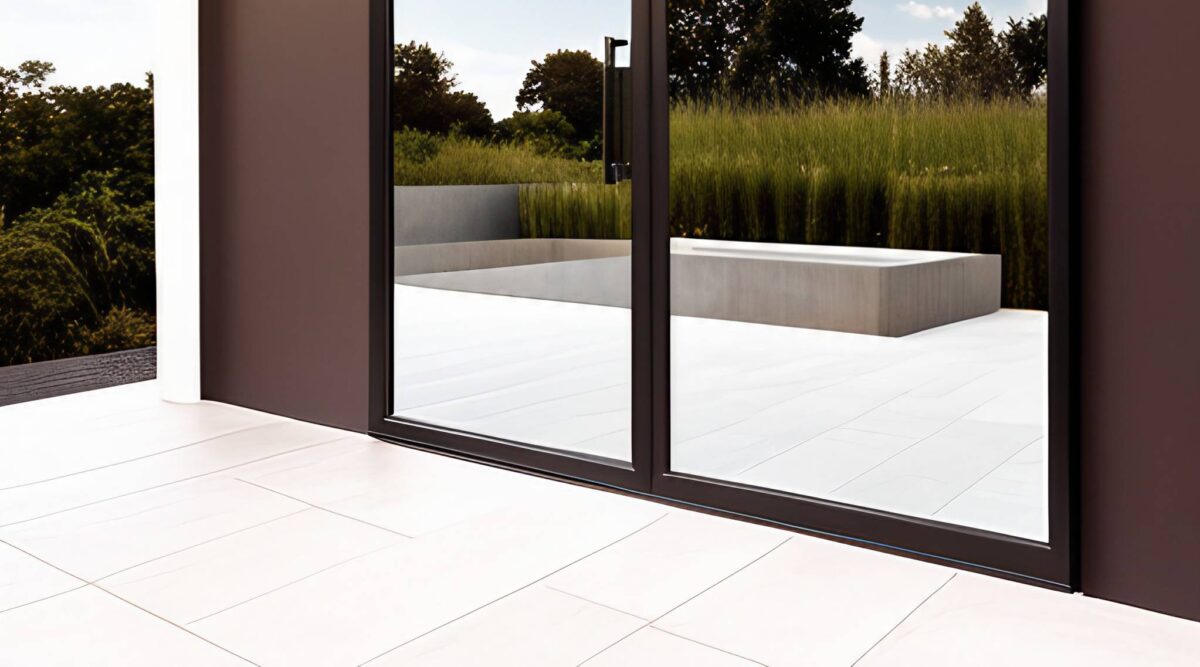
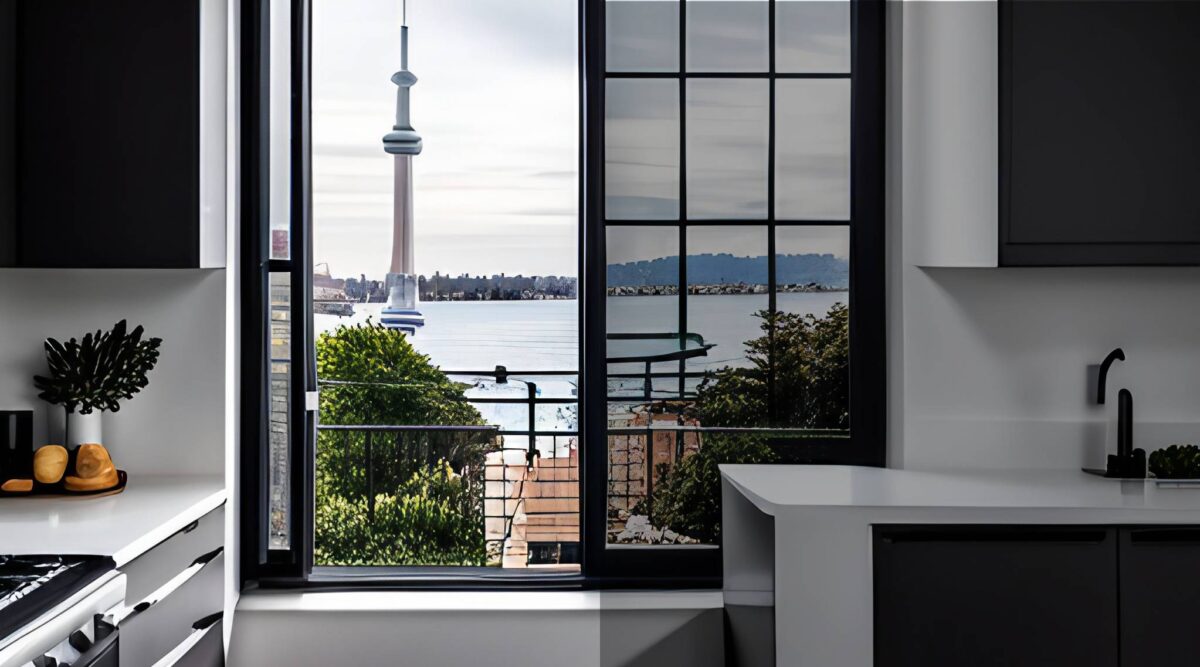
modern_window_with_reflective_film

What is Reflective Window Film?

Reflective window film is a type of window treatment that can be applied to glass surfaces. It is designed to reflect sunlight, which helps reduce glare and heat inside your home. This film is often used for both residential and commercial properties as it provides privacy while maintaining a clear view from inside.

How Reflective Window Film Works

The film is made up of thin layers of polyester or other materials, coated with a reflective metallic layer. This metallic coating is what gives the film its mirror-like appearance from the outside. When sunlight hits the window, the film reflects a significant portion of the sun’s rays, reducing the amount of heat that penetrates through the glass.

The Pros of Reflective Window Film

Reflective window film offers several benefits that make it an attractive option for homeowners and designers seeking to improve energy efficiency and privacy.

Energy Efficiency

One of the main advantages of reflective window film is its ability to improve energy efficiency. By reflecting a large portion of the sun’s heat, it helps keep indoor temperatures cooler during hot summer months. This can significantly reduce the need for air conditioning, leading to lower energy bills.

Enhanced Privacy

Reflective window film provides excellent privacy during the daytime. The reflective surface makes it difficult for people outside to see into your home, while still allowing you to see out. This feature is particularly beneficial for homes located in busy neighborhoods or near public areas.

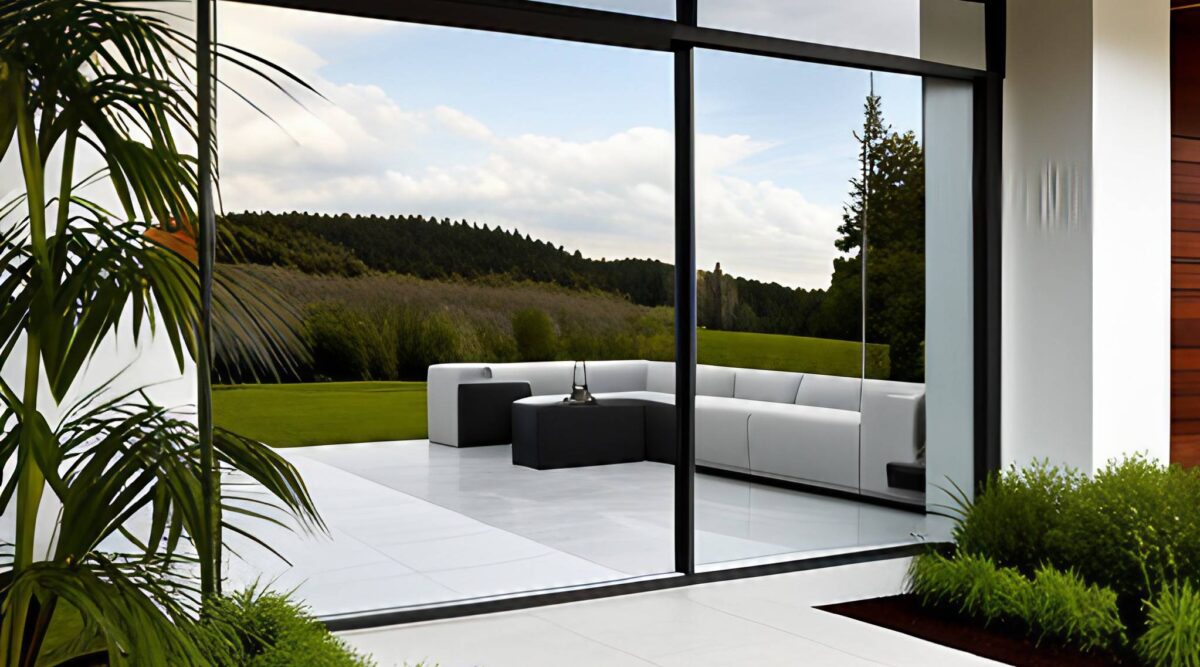
privacy_with_window_film

Glare Reduction

If you have large windows or a lot of natural light in your home, glare can be a common issue. Reflective window film helps reduce glare, making it more comfortable to watch TV, work on a computer, or simply relax without squinting.

UV Protection

Reflective window film blocks up to 99% of harmful UV rays, which can cause fading of furniture, flooring, and artwork. By protecting your home’s interior from UV damage, you can extend the lifespan of your furnishings and maintain their appearance over time.

Aesthetic Appeal

With its modern, sleek look, reflective window film can enhance the overall aesthetic of your home. It can complement a variety of interior design styles, adding a touch of elegance and sophistication to your space.

The Cons of Reflective Window Film

While reflective window film has many benefits, there are also some drawbacks to consider before making a decision.

Limited Nighttime Privacy

One of the main downsides of reflective window film is that it does not provide privacy at night. When the interior lights are on, the reflective effect is reversed, allowing people outside to see in. To maintain privacy after dark, additional window coverings such as blinds or curtains may be necessary.

Potential for Increased Heat Retention in Winter

While reflective window film helps keep your home cool in the summer, it may also retain heat during the winter months. This can be a disadvantage in colder climates where you might want the sun’s warmth to help heat your home.

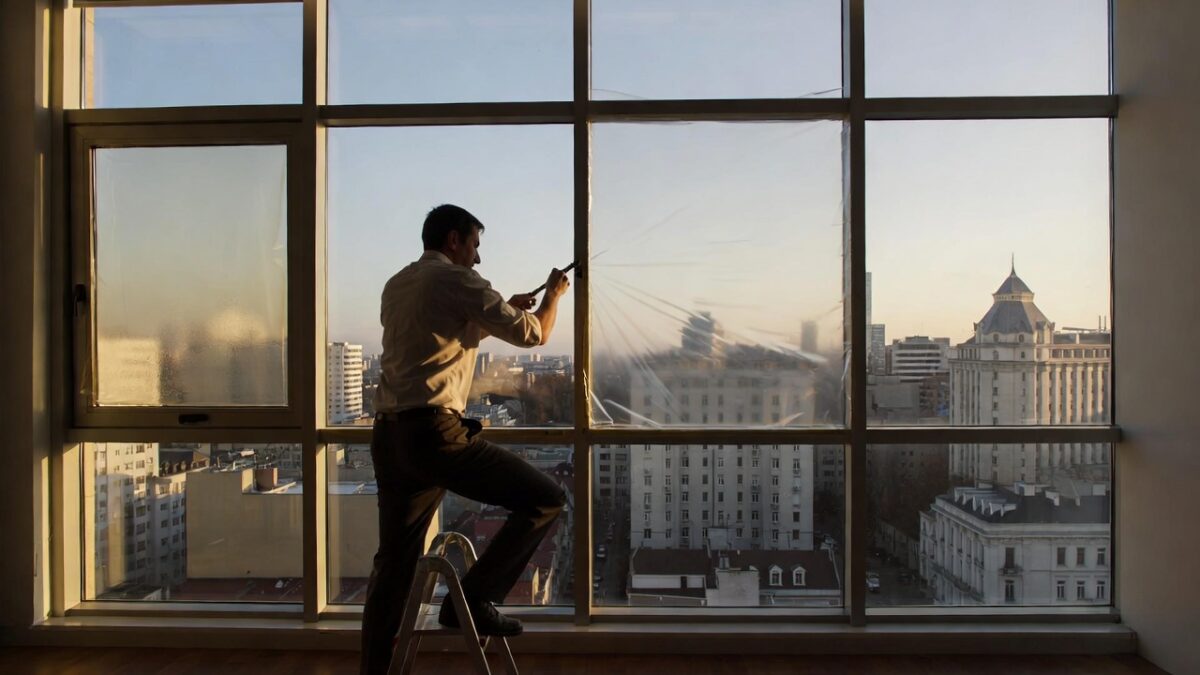
window_film_installation

by Nguyen Minh (https://unsplash.com/@ngminh8895)

Possible Installation Challenges

Installing reflective window film can be a bit tricky, especially for larger windows or if you’re doing it yourself. Bubbles and wrinkles can occur if the film is not applied correctly, which can detract from its appearance and effectiveness. Professional installation is recommended for the best results.

Cost Considerations

While reflective window film can save you money on energy bills, there is an upfront cost associated with purchasing and installing the film. Depending on the size and number of windows, the initial investment can be significant.

Is Reflective Window Film Right for You?

Reflective window film offers a range of benefits, from energy efficiency and privacy to aesthetic appeal. However, it is important to weigh these advantages against the potential drawbacks, such as limited nighttime privacy and installation challenges.

Consider Your Specific Needs

Before deciding on reflective window film, consider your specific needs and priorities. If energy efficiency and daytime privacy are top concerns, this film could be a great addition to your home. However, if nighttime privacy is important, you might need to explore additional solutions.

Explore Alternatives

In addition to reflective window film, there are other types of window films available, such as privacy window film and decorative window film. These alternatives can offer different benefits and may better suit your needs, depending on your priorities and design preferences.

Final Thoughts

Reflective window film is a versatile and practical solution for enhancing your home’s comfort and style. By reflecting sunlight and offering privacy, it can improve energy efficiency and protect your interior furnishings. However, it is essential to consider the potential downsides and explore other options to ensure you choose the best solution for your home.

Ultimately, whether you’re an interior designer looking to provide clients with stylish and eco-friendly window solutions or a homeowner seeking to enhance your living space, reflective window film can be a valuable addition to your home improvement toolkit.

Reflective window film has the potential to transform your home, offering both functional and aesthetic benefits. With careful consideration and proper installation, it can be a worthwhile investment that enhances your living environment for years to come.

Categories
Window Film and Tints

Why Safety Window Films Are a Key Part of Modern Window Films in Toronto

Window films are one of the most searched upgrades for homes, storefronts, and offices across Toronto and the GTA. People search window films when glass breaks, when a door gets smashed overnight, or when they want protection without replacing windows. Safety window film shows up early in these searches because it helps reduce injuries and damage when glass fails.

If you searched window films in Toronto, North York, Scarborough, Vaughan, or Mississauga, something likely triggered it. A cracked panel during winter. A smash-and-grab. Or flying glass that came too close to staff or family.

This page explains how safety window film fits into the wider category of window films. It explains how it works, where it helps most, and why many GTA property owners install it before the next problem happens.

We install window films across the GTA every week. Shops near Queen Street. Condos around Yonge and Eglinton. Offices downtown. Homes in Markham and Richmond Hill. Different buildings. Same issues. Glass breaks fast. Film slows it down.

What Safety Window Film Is Within the World of Window Films

Safety window film is one type of window film. It is clear. It is thick. It sticks to glass with strong adhesive. It does not stop glass from breaking. It controls what happens after the break.

Without window films, broken glass spreads everywhere. Pieces fall. Some fly. Cuts happen fast and cleanup takes longer.

With safety window film installed, the glass cracks but stays together. The film holds the shards in place. Doors stay upright longer. Windows do not collapse right away.

This is why safety window film is often grouped with security window films. Both focus on impact and glass control instead of looks.

Most safety window films use layered polyester. Thickness matters. Adhesive quality matters too. On doors and storefronts, edge attachment helps the film stay locked into the frame.

Safety window film installs on the inside of the glass. This protects it from weather and helps it last longer, which matters during Toronto winters.

Why Window Films Matter More in Toronto and the GTA

Glass in Toronto deals with stress all year. Cold winters. Hot summers. Traffic vibration. Construction close by.

In winter, cold glass meets warm indoor air. Stress builds. One hard door close can crack a panel. In summer, open doors and busy patios increase accident risk.

We see the same calls every year. Retail shops near Dundas West. Offices close to Union Station. Condos near transit hubs.

Window films help reduce these risks. Safety window film handles impact. Other window films help with glare, heat, or privacy. Many buildings use more than one type.

The Toronto Police Service shares break-in trends and prevention tips here: https://www.tps.ca/crime-prevention/

How Safety Window Film Helps Reduce Injuries

Glass injuries are serious. Cuts are deep. Healing takes time. Work stops.

Safety window film helps in simple ways.

It stops glass from flying. Broken pieces stick to the film instead of spreading.

It keeps glass standing. Doors and panels stay in the frame longer.

It lowers panic. When glass stays in place, people move slower and safer.

A community gym near Parkdale added safety window film after a front window cracked during a busy evening class. No one was hurt, but the noise and shards scared everyone. Film was installed before reopening.

Canadian workplace safety guidance on glass hazards is available from CCOHS: https://www.ccohs.ca/

How Safety Window Film Limits Property Damage

Glass damage adds up fast in Toronto. Replacement glass. Emergency boarding. Cleanup. Lost business hours.

A small restaurant near College Street closed for two days after a smash-and-grab. After installing safety window film, another attempt happened months later. The glass cracked but stayed in place. Nothing was taken. They opened the next morning.

Safety window film helps by holding glass in place. Cleanup is faster. Forced entry takes longer. Displays stay protected.

Downtown office buildings also use safety window film on interior glass. One broken panel can shut down a full floor.

Insurance loss prevention topics are often discussed by the Insurance Bureau of Canada: https://www.ibc.ca/

Safety Window Film Compared to Other Window Films

Not all window films do the same job.

Some window films reduce heat. Some cut glare. Some add privacy.

Safety window film focuses on impact and glass control.

This is why many properties use safety film together with other window films. Comfort and protection work together.

If you are deciding between film and full replacement, this guide explains the cost difference: window films versus window replacement

Where Safety Window Film Works Best

Not every window needs safety film. Some need it more.

  • Storefront glass
  • Glass doors
  • Ground-level windows
  • Schools and daycares
  • Offices with interior glass
  • Homes with sliding doors

Busy areas see more glass issues. Danforth. Spadina. Downtown core.

Season matters too. Winter break-ins rise. Summer accidents increase.

Why Installation Quality Changes Results

Bad installs fail. Film peels. Edges lift.

Good installs start with clean glass and correct sizing.

This step-by-step guide shows what proper installs look like: security film installation guide

We often fix installs done wrong. Film rushed onto dirty glass does not help anyone.

Is Safety Window Film Worth the Cost?

Compared to replacing glass, safety window film costs less and works before damage happens.

It will not stop every break. It reduces the result.

Many Toronto property managers add safety film after one incident. Not two.

Choosing a Window Film Installer in Toronto

Ask simple questions.

  • Do you install safety window film often?
  • Do you anchor film on doors?
  • Do you work across the GTA?
  • Do you handle homes and businesses?

This checklist helps avoid install problems: key considerations when installing window films

Frequently Asked Questions

What are window films used for?

Window films help manage heat, glare, privacy, and glass breakage based on the film type.

Does safety window film stop glass from breaking?

Safety window film does not stop glass from breaking, but it holds broken pieces together.

Is safety window film the same as tinted window film?

Safety window film is thicker and built for impact control, while tinted window film focuses on comfort.

Where should safety window film be installed first?

Doors, storefronts, and ground-level windows are usually the first priority.

How long do window films last?

Professionally installed window films can last 10 to 15 years indoors with basic care.

Categories
Window Film and Tints

Quick Tips for Using Blackout Window Film

When it comes to enhancing the privacy and comfort of your home, blackout window film can be a game-changer. As a skilled communicator in home improvement solutions, I understand the importance of choosing the right products to meet individual needs. In this guide, we’ll explore quick and practical tips for using blackout window film, ensuring you maximize its benefits while maintaining aesthetic appeal.

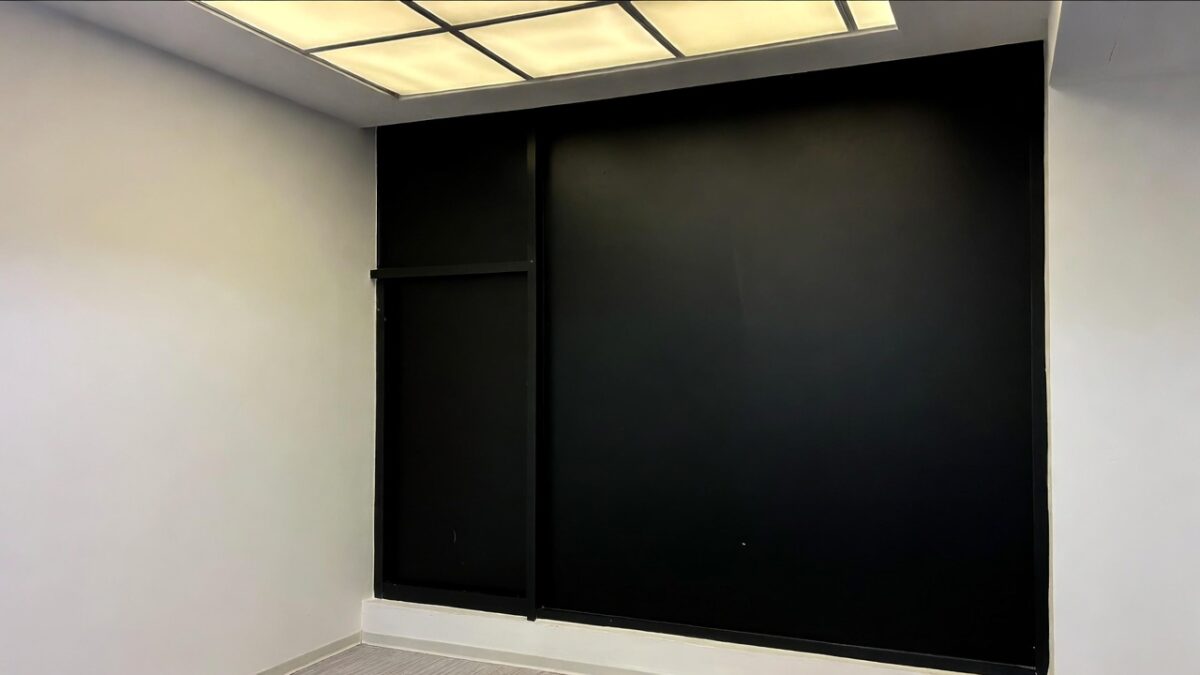
Blackout window film roll

Before diving into the tips, it’s essential to understand what blackout window film is and how it works. Blackout window film is a specialized adhesive film applied to windows to block out light completely. Unlike regular window tint, which reduces glare and provides some privacy, blackout film offers total privacy and darkness by preventing any light from passing through.

Benefits of Blackout Window Film

  1. Privacy Enhancement: Blackout window film is ideal for spaces where privacy is a priority, such as bedrooms, bathrooms, or home offices.
  2. Light Control: It provides complete darkness, making it perfect for home theaters or nurseries where light control is essential.
  3. Energy Efficiency: By blocking sunlight, blackout window film can help reduce cooling costs during the summer months.
  4. Aesthetic Appeal: Available in various styles and finishes, blackout films can complement your home’s design.

Selecting the Right Blackout Window Film

Choosing the right blackout window film is crucial to achieving your desired results. Here are a few factors to consider:

Material and Finish

Blackout films come in different materials and finishes, such as matte, glossy, or patterned. Each finish offers a unique look and feel, so choose one that aligns with your interior design goals.

Adhesive vs. Static Cling

Applying window film

There are two main types of blackout window film: adhesive and static cling. Adhesive films are more permanent and provide a stronger hold, while static cling films are removable and can be repositioned. If you’re looking for a temporary solution or renting your space, static cling might be the better option.

Size and Measurement

Measure your windows accurately before purchasing the film. Most films can be easily cut to size, but getting the closest fit will minimize waste and ensure a seamless application.

Installation Tips

Installing blackout window film can be a straightforward DIY project if done correctly. Follow these tips for a smooth installation:

Preparation is Key

  1. Clean the Windows: Ensure your windows are thoroughly cleaned and free from dust or grime. Any debris left on the surface can cause bubbles or imperfections in the film.
  2. Gather the Right Tools: You’ll need a utility knife, a squeegee, a spray bottle filled with soapy water, and a tape measure.

Step-by-Step Application

  1. Cut the Film to Size: Measure your window and cut the film slightly larger than the window pane to allow for trimming.
  2. Apply Soapy Water: Spray the window with soapy water to help position the film. This also prevents the adhesive from sticking immediately, allowing for adjustments.
  3. Position the Film: Place the film on the window, starting from the top and working your way down. Use the squeegee to smooth out air bubbles and excess water.
  4. Trim the Edges: Carefully trim any excess film using a utility knife for a clean edge.
  5. Final Smoothing: Go over the film with the squeegee once more to ensure a tight bond and remove any remaining bubbles.

Maintenance and Care

Once your blackout window film is installed, proper maintenance will ensure it lasts for years:

Regular Cleaning

Clean the film with a soft cloth and a mild detergent solution. Avoid using abrasive materials or harsh chemicals that could damage the film.

Inspect for Damage

Periodically check for any peeling or damage, especially around the edges. Promptly address any issues to maintain the film’s effectiveness and appearance.

Creative Uses for Blackout Window Film

Creative application of window film

by Suraj Tomer (https://unsplash.com/@meditative)

Blackout window film isn’t just for traditional windows. Here are some creative applications:

  • Room Dividers: Use the film on glass partitions for added privacy in open-plan spaces.
  • Decorative Elements: Cut the film into shapes or patterns to create unique wall art or decals.
  • Skylights: Apply to skylights for enhanced light control and energy efficiency.

Conclusion

Blackout window film is a versatile and cost-effective solution for enhancing privacy, controlling light, and improving energy efficiency in your home. By selecting the right film, following proper installation techniques, and maintaining it well, you can enjoy the benefits of blackout window film for years to come.

Whether you’re an interior designer looking to offer clients innovative solutions or a homeowner seeking to improve your living space, blackout window film is an excellent choice. With these tips, you’re well-equipped to make the most of this fantastic product.

Remember, whether you’re using it for privacy, light control, or aesthetic purposes, blackout window film is a valuable addition to any home. Embrace its potential and transform your windows today!“`

Categories
Window Film and Tints

Emergency Window Films for Broken Glass: A Practical 5-Step Guide After a Break-In

Why window films are used after break-ins across Toronto and the GTA

Window films are often the first thing people search after a break-in. In Toronto and the GTA, broken windows happen every day in shops, offices, clinics, and condo buildings. A window gets smashed overnight. The glass cracks but stays in the frame. Cold air moves inside. Staff feel uneasy. Customers slow down.

This is why window films are used right after a break-in.

Emergency window films help hold cracked glass together when full glass replacement is not ready yet. They slow forced entry. They cut down loose shards. They also help keep the space open while waiting for repairs. Many local businesses across Toronto, North York, Scarborough, Etobicoke, Vaughan, and Mississauga use this option during winter and busy retail months.

This guide explains how emergency security window films are installed, step by step. It is written for local business owners, property managers, and anyone dealing with broken glass right now.

Step 1: Secure the area and protect people nearby

The first step is safety. Not the film.

After a break-in, broken glass is sharp and unstable. Tiny shards hide in the sill and frame. In cold weather, cracks spread faster. In busy areas like Yonge Street, Dundas Street, or plaza walkways, people walk close to the damage without noticing.

A small convenience store near Victoria Park reopened too fast after a break-in last winter. A customer leaned near the window while paying and cut their finger. The store closed again for cleaning.

Before installing any window films, do this first:

  • Keep staff and customers away from the damaged window
  • Remove loose glass without forcing cracked pieces out
  • Block walking paths near the opening
  • Stop cold air if the weather is harsh

Emergency window films work best when the glass is still sitting inside the frame. If the full pane is gone, film is not the next step yet.

Local police reports show smash-and-grab cases often repeat in the same area when windows look exposed.

Source: Toronto Police Service crime statistics

Step 2: Decide if emergency security window films make sense

This question comes up right away.

“Do I replace the glass or use film?”

Glass replacement in the GTA takes time. Storefront glass is often custom sized. Some panels take days or longer to arrive. During that wait, the window stays weak.

Security window films are commonly used when:

  • The glass is cracked but still held in the frame
  • Fast protection is needed
  • Repeat break-ins are a concern
  • Replacement glass is delayed

Security window film bonds broken glass together. If someone hits the window again, the glass stays attached to the film. Entry takes longer. Noise goes up. Many smash attempts stop early.

Some owners compare film with replacement before deciding what to do next.

Benefits of choosing window films over replacements

Step 3: Prepare damaged glass before applying window films

This step affects how long the film lasts.

Emergency installs are not clean installs. Cracks spread. Frames move. Cold air slows bonding. Prep still matters a lot.

A small electronics shop near College Street had security film peel early because moisture stayed on the glass. The film helped for a few days, then lifted near the edge.

Proper prep includes:

  • Cleaning the glass without pushing cracks further
  • Removing loose shards with care
  • Checking if the frame is stable
  • Using solution that does not react with broken glass

Older buildings in Parkdale, The Annex, and East York often have original frames. These frames flex more and need careful handling.

Most early film failures come from rushed prep work.

Step 4: Install the security window film the correct way

Emergency security window films are not decorative tint.

The film is thicker than standard window films and built to resist impact. It is installed over damaged glass to trap it in place.

Professional installers follow tested methods used in security film work.

How to install security window film perfectly

Important parts of the install include:

  • Film thickness matched to the risk level
  • Strong edge sealing
  • Proper frame attachment

DIY kits often skip edge anchoring. That causes failure when force is applied. Emergency installs should be handled by trained window film installers.

Safety research from the Insurance Institute for Business & Home Safety supports layered protection for glass openings.

Source: Insurance Institute for Business & Home Safety

Step 5: Plan next steps once the emergency is handled

Emergency window films buy time. They are not always the final fix.

Many Toronto businesses choose to upgrade after the first incident.

Common next steps include:

  • Permanent security window films
  • Thicker multi-layer film systems
  • Glass replacement with film added later
  • Basic storefront security planning

A small medical clinic in Ajax added permanent security film after two break-ins in one year. No issues since. Patients did not notice the film.

Security film also keeps broken glass together during clean-up. This lowers injury risk and saves staff time.

Why window films are widely used across Toronto after break-ins

Toronto has many glass-heavy buildings. Retail fronts. Offices. Condos. Clinics.

Window films are used because they:

  • Slow forced entry
  • Hold broken glass together
  • Reduce repeat targeting
  • Keep spaces usable

Many property managers avoid plywood unless the glass is fully gone. Plywood blocks light and draws attention.

Security window films compared to plywood after a break-in

Plywood blocks visibility and looks damaged. It can be removed fast. It does not hold glass.

Security window films allow light, keep visibility, and keep the glass in place.

On busy streets like Yonge, Dundas, and Bloor, that difference affects safety and foot traffic.

Final thoughts

Emergency window films are practical tools used every week across Toronto and the GTA.

If your window broke last night, fast action helps lower risk. If nothing has happened yet, planning early costs less.

Window films do not stop every crime. They slow entry, reduce damage, and buy time. That is why many local businesses rely on them.

Categories
Window Film and Tints

Getting Started With Bathroom Window Film

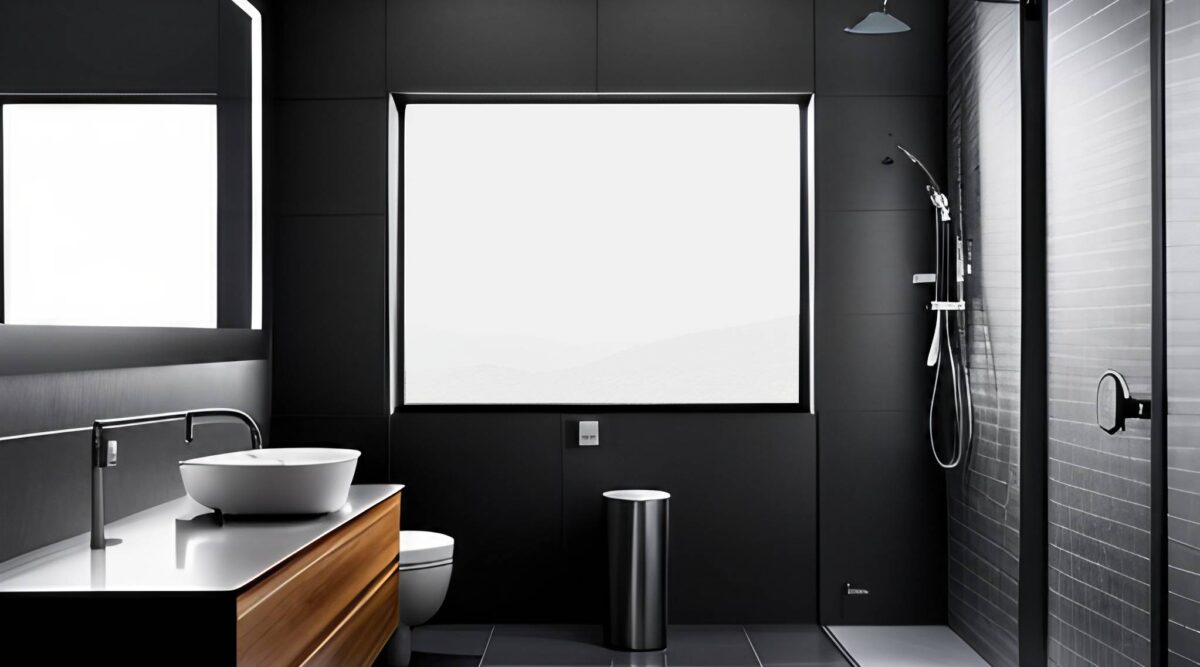
Modern bathroom with frosted window film for privacy

Bathroom window film is an innovative solution that offers both privacy and style for your home. As an interior designer, you might be seeking cost-effective ways to enhance your client’s spaces without compromising on aesthetics or functionality. This guide will introduce you to the benefits of bathroom window film and how it can transform any bathroom into a private sanctuary.

What is Bathroom Window Film?

Bathroom window film is a thin layer of material applied to glass surfaces. It enhances privacy, reduces glare, and adds an element of design without the need for costly window replacements. Available in various styles, from frosted and opaque to decorative patterns, window films offer flexible solutions to meet diverse interior design needs.

Types of Bathroom Window Film

  1. Privacy Window Film: These films are designed to block the view from outside, ensuring privacy without sacrificing light.
  2. Frosted Window Film: Provides a translucent appearance that allows light to pass through while obscuring visibility.
  3. Decorative Window Film: Adds a stylish touch with patterns, colors, or textures, enhancing the overall aesthetic.

Benefits of Using Window Film in Bathrooms

Close-up of frosted window film texture

Enhanced Privacy

The primary reason homeowners opt for bathroom window film is privacy. Unlike traditional curtains or blinds, window film provides continuous privacy without obstructing natural light. This makes it ideal for bathrooms where both privacy and light are essential.

Improved Energy Efficiency

Window films can help regulate indoor temperatures by reducing heat gain in the summer and heat loss in the winter. This energy efficiency can lead to lower utility bills and a more comfortable bathroom environment year-round.

Cost-Effective Solution

Compared to replacing windows with specialty glass, applying window film is a much more affordable option. It provides a quick and efficient way to upgrade the appearance and functionality of bathroom windows without breaking the bank.

Easy Installation and Maintenance

Installing window film is a straightforward process that can often be completed in a single afternoon. Once applied, it requires minimal maintenance—just regular cleaning with a soft cloth and mild detergent to keep it looking its best.

Choosing the Right Window Film for Your Bathroom

When selecting window film for your bathroom, consider your client’s specific needs and preferences. Here are some factors to guide your decision:

Privacy Needs

For maximum privacy, opt for frosted or opaque films. These options ensure that even when the lights are on at night, visibility from outside is significantly reduced.

Aesthetic Preferences

Decorative films come in a variety of designs that can complement any interior style, from modern to traditional. Consider the overall theme of the bathroom when choosing patterns or colors.

Light Control

If controlling the amount of natural light is a priority, choose a film that allows for light adjustment. Some films offer varying levels of translucency, giving you control over how much light enters the space.

Installation Process: A Step-by-Step Guide

Professional installing window film on a bathroom window

by isaac. (https://unsplash.com/@theisaacmatthew)

Installing bathroom window film can be a DIY project or handled by a professional, depending on your comfort level and the complexity of the design. Here’s a basic guide to the installation process:

  1. Measure and Cut: Begin by measuring the window’s dimensions and cutting the film to size, allowing a small overlap for trimming.
  2. Clean the Window: Thoroughly clean the window surface to remove any dust, dirt, or debris. A clean surface ensures better adhesion.
  3. Apply the Film: Remove the backing from the film and spray the adhesive side with a solution of water and a few drops of dish soap. This allows for easier positioning on the glass.
  4. Position and Smooth: Carefully position the film on the window, using a squeegee to smooth out air bubbles and excess solution.
  5. Trim Excess Film: Once the film is in place, trim any excess material with a sharp blade for a clean, finished look.

Maintaining Bathroom Window Film

Maintaining your bathroom window film is simple. Here are some tips to keep it in pristine condition:

  • Regular Cleaning: Clean the film with a soft, lint-free cloth and mild soap solution. Avoid using abrasive cleaners that might scratch the surface.
  • Inspect for Damage: Periodically check for any signs of peeling or damage, especially around the edges. Reapply or replace the film as necessary.
  • Avoid Excessive Moisture: While window films are durable, prolonged exposure to excessive moisture can affect adhesion. Ensure the bathroom is well-ventilated to prevent this issue.

Conclusion: Transforming Spaces with Bathroom Window Film

Bathroom window film offers a versatile and elegant solution for enhancing privacy and style in any bathroom. For interior designers, it provides a cost-effective way to meet client needs while delivering on both form and function. Whether you’re looking to add a touch of elegance with decorative patterns or prioritize privacy with frosted options, window film is a practical choice that won’t disappoint.

By incorporating window film into your design toolkit, you can offer clients an innovative solution that enhances their living spaces and aligns with modern design trends. As you explore the possibilities, remember that the right window film can transform an ordinary bathroom into a serene retreat.

Categories
Window Film and Tints

Why Glass Door Protection Window Films Are Used in Retail and Office Spaces

Window films are one of the most searched upgrades for glass doors in retail stores and offices across Toronto and the GTA. Business owners look for window films when glass doors crack too often, feel unsafe after hours, or keep costing money to replace. Glass door protection window films are a safety-focused type of window film built to hold broken glass together and slow entry when glass fails.

Toronto buildings deal with real stress. Winter cold tightens frames. Summer heat pushes glass outward. Foot traffic stays heavy all year. From Queen Street storefronts to offices in Mississauga, broken glass doors are common. Many owners only learn about window films after a door breaks and forces an early closure.

This guide explains how glass door protection window films work, where they help the most, and why many GTA businesses choose them instead of replacing glass again and again.

What Glass Door Protection Window Films Are

Glass door protection window films are clear safety films installed directly on existing glass doors. The glass stays in place. The film bonds to the surface and holds broken pieces together after impact.

These window films are not basic tint. Tint mainly changes light or glare. Protection window films focus on safety and strength. They belong to the same category as security window films, but are often used on doors instead of large window walls.

Glass doors across the GTA take daily abuse. Winter boots hit glass. Wind pressure shifts fast when doors open. Nearby construction causes slight frame movement. Over time, glass weakens.

Protection window films help reduce:

  • Forced entry through glass doors
  • Accidental impacts from people or carts
  • Glass shatter injuries
  • Late-night board-up calls

These window films are used in storefronts, offices, clinics, schools, and condo retail units. They work well in leased spaces because doors and frames stay the same.

Most protection window films are clear. Customers barely notice them. Staff forget they are there until the glass cracks.

How Window Films Change What Happens When Glass Breaks

Plain glass breaks fast. One hit and it falls apart.

When protection window films are installed, the glass still cracks but stays together. The film spreads force across the surface and holds sharp pieces in place.

We tested this on two office doors in North York. Same building. Same glass. One door had film. One did not. The untreated door collapsed. The filmed door stayed upright.

With protection window films in place:

  • Glass cracks into a web shape
  • Broken pieces stick to the film
  • The door stays standing longer
  • Entry takes more effort

Time matters. Most smash-and-grab attempts in Toronto last seconds. Even small delays can stop entry.

Install quality matters. Edge prep and surface cleaning affect performance. Poor installs fail at the edges first. This is why guides like security film installation are helpful.

For general glass safety guidance, the Canadian Centre for Occupational Health and Safety explains how safety glazing lowers injury risk.

Where Glass Door Window Films Matter Most in the GTA

Risk changes by location. Traffic levels, weather, and building type all matter.

Retail Storefronts

Stores on Yonge Street, Bloor, and the Danforth see heavy foot traffic all day. Accidents, vandalism, and break-ins happen more often than owners expect. Many shops add window films after the first broken door. Repeat damage often stops.

Offices and Clinics

Clinics in Scarborough and Markham rely on glass doors for light and access. One broken door can cancel a full day of bookings. Protection window films help avoid shutdowns.

Condo Commercial Units

Ground-floor units near Liberty Village and CityPlace see delivery carts, bikes, and foot traffic every day. Glass doors get hit by accident often. Window films help limit repeat damage.

Schools and Public Buildings

Public buildings use glass for visibility. Protection window films help reduce injury risk when glass breaks.

Ontario workplace safety guidance is published by the Ministry of Labour.

Window Films Compared to Replacing Glass Doors

This question comes up often.

Replacing glass:

  • Costs more
  • Takes longer
  • May need permits
  • Does not stop future breaks

Adding protection window films:

  • Installs fast
  • Uses existing glass
  • Reduces injury risk
  • Keeps doors usable

A small bakery near Union Station replaced the same glass door twice in one year. After adding window films, the door cracked again during winter but stayed intact. The shop stayed open.

A clear comparison is explained here: window films vs window replacement.

New Local Example: Spring Door Failure in Oakville

Last spring, a retail unit in Oakville had a glass door crack after a warm day followed by a cold night. The frame shifted slightly and stressed the glass.

The owner installed protection window films instead of replacing the glass again. A few weeks later, a delivery cart hit the door. The glass cracked but stayed together. No closure.

Season changes cause many door failures in the GTA. Window films help limit downtime.

What to Look for When Hiring a Window Films Installer

Not all window tinting services handle protection window films well. These films are thicker and need proper prep.

Ask installers:

  • Do you install on doors, not only windows?
  • Do you handle commercial spaces?
  • Do you prep edges and frames?

Reading key considerations when installing window films helps avoid bad installs.

Material testing standards for safety films are published by ASTM International.

Quick Answers About Glass Door Protection Window Films

What are glass door protection window films?

They are clear window films that hold broken glass together after impact.

Do window films stop break-ins?

Window films slow forced entry by keeping glass intact longer.

Can window films be installed on existing doors?

Yes. Window films install on existing glass without replacing the door.

Do protection window films change how doors look?

Most protection window films are clear and hard to see.

How long do window films last?

Protection window films often last 10 to 15 years with proper installation.

If you run a business in Toronto or the GTA and deal with broken glass doors, window films are worth serious thought. They do not stop glass from cracking, but they change what happens after. That difference keeps doors standing and businesses open.