# Quick Tips for Using Solar Film For Windows
When it comes to enhancing your living space, solar film for windows can be a game-changer. It’s an eco-friendly solution that not only improves energy efficiency but also adds a touch of style to any room. Whether you’re an interior designer looking to offer clients an innovative solution, or a homeowner wanting to reduce energy bills, solar window tint can meet your needs. In this article, we’ll explore some quick tips on using solar film for windows effectively.

Understanding Solar Film for Windows
Solar film, sometimes referred to as reflective window film or solar window tint, is a thin layer of material applied to glass surfaces. Its primary function is to block out harmful UV rays, reduce glare, and enhance privacy without compromising natural light.
Benefits of Solar Film
- Energy Efficiency: By reducing heat gain in the summer and heat loss in the winter, solar film helps to lower energy bills.
- UV Protection: It blocks up to 99% of UV rays, protecting furniture, flooring, and artwork from fading.
- Glare Reduction: Solar film minimizes glare, making it easier to view screens and maintain comfort.
- Enhanced Privacy: Reflective films offer additional privacy during the day without sacrificing the view.
Choosing the Right Solar Film
Selecting the right solar film is crucial to achieving the desired results. Consider the following factors:
Type of Film
- Reflective Window Film: Ideal for maximum privacy and energy efficiency.
- Tinted Window Film: Offers a subtle appearance while still reducing glare and UV exposure.
- Clear UV Film: Provides UV protection without changing the appearance of the window.

Installation Location
Evaluate the specific needs of each room. For example, rooms with direct sunlight may benefit more from reflective films, while living areas might prefer tinted options for a softer look.
Professional vs. DIY Installation
While DIY installation can save costs, professional installation ensures precision and longevity. Professionals are equipped to handle large or complex window shapes and can provide warranties for their work.
Installation Tips
If you’re considering a DIY approach, here are some tips for a successful installation:
- Clean Thoroughly: Ensure the window surface is clean and free from dust or debris before applying the film.
- Measure Accurately: Cut the film slightly larger than the window size to allow for adjustments.
- Use Soapy Water: Spray a solution of water and a few drops of dish soap onto the window before application. This helps in repositioning the film and removing air bubbles.
- Smooth Out Bubbles: Use a squeegee to gently push out air bubbles from the center towards the edges.
- Trim Excess Film: After application, carefully trim any excess film using a utility knife.
Maintenance of Solar Film
Once installed, maintaining solar film is straightforward. Avoid abrasive cleaners, and instead, use a soft cloth and mild soapy water for cleaning. Regular maintenance ensures the film remains effective and extends its lifespan.
Troubleshooting Common Issues
- Peeling Edges: This may indicate poor adhesion or exposure to moisture. Reapply using a squeegee and check for any leaks.
- Bubbles: Persistent bubbles can be popped with a pin and smoothed out with a squeegee.
- Fading or Discoloration: Over time, some films may fade. Consider replacing the film every 5-10 years, depending on quality and exposure.
Real-Life Applications of Solar Film
Residential
For homeowners, solar film offers a cost-effective way to enhance comfort and reduce energy costs. It’s particularly beneficial for south-facing windows that receive intense sunlight.
Commercial
Businesses can benefit from solar film by improving employee comfort, reducing glare on computer screens, and lowering cooling costs.
Interior Design
Interior designers can incorporate solar film as a functional element that complements window treatments, enhances natural light, and maintains client privacy.

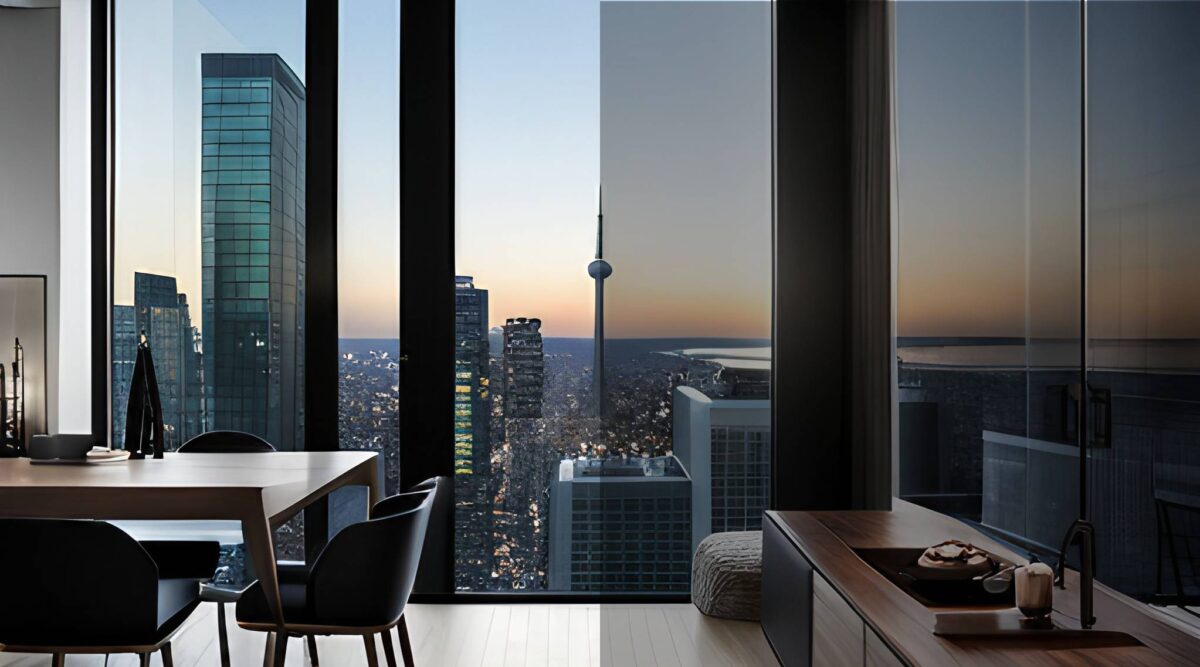
by Dmitriy Frantsev (https://unsplash.com/@vapricot)
Conclusion
Solar film for windows is a versatile solution that combines style with functionality. Whether you’re looking to improve energy efficiency, protect interiors from UV damage, or add privacy, solar film is a practical choice. By understanding the types of films available and following proper installation and maintenance practices, you can enjoy the full range of benefits that solar window tint offers.
Incorporate these quick tips into your next project to transform living spaces into more comfortable, energy-efficient environments. With the right approach, solar film can be a valuable addition to any interior design plan.