Choosing the right commercial window tinting can significantly enhance the aesthetics and energy efficiency of a building. As an interior designer, selecting the appropriate window film is essential to meet your clients’ needs while complementing their design vision. This guide will provide you with valuable insights into making the best choice for commercial window tinting.

Commercial window tinting involves applying a thin film to the windows of a building. This film helps control sunlight, reduce glare, enhance privacy, and improve energy efficiency. There are various types of window films available, each offering unique benefits, so understanding the differences is crucial.
Types of Window Films
- Solar Control Films: These films are designed to block harmful UV rays and reduce heat gain. They help in maintaining a comfortable indoor temperature, thereby lowering energy costs.
- Privacy Films: As the name suggests, these films enhance privacy by obstructing the view from outside without compromising natural light.
- Decorative Films: These films are used to add aesthetic appeal to windows. They come in various patterns and styles, allowing designers to create unique looks.
- Safety and Security Films: These are thicker films that hold glass together in case of breakage, providing an added layer of security.
- Anti-Graffiti Films: These films protect windows from vandalism and can be easily replaced if damaged.
Benefits of Commercial Window Tinting

Energy Efficiency
One of the most significant benefits of commercial window tinting is improved energy efficiency. By reducing heat gain during summer and heat loss during winter, window films help maintain a consistent indoor temperature. This results in lower energy consumption and reduced utility bills.
Enhanced Aesthetics
Window tinting can drastically change the look of a building. With decorative films, you can achieve a sleek, modern appearance that complements the overall design of the space. Privacy films also add a touch of sophistication while ensuring discretion.
UV Protection
Harmful UV rays can damage furniture, flooring, and artwork over time. Window films block up to 99% of these rays, preserving the interior of the building and extending the life of furnishings.
Glare Reduction
Excessive glare can cause discomfort and reduce productivity, especially in office environments. Window films minimize glare, creating a more comfortable working environment.
Increased Privacy and Security
Privacy films ensure that sensitive information remains protected from prying eyes. Additionally, safety films can deter break-ins and protect occupants in case of glass breakage.
Factors to Consider When Choosing Window Tinting

by Saad Ahmad (https://unsplash.com/@saadahmad_umn)
Purpose and Goals
Begin by identifying the primary purpose of the window tinting. Is it to enhance privacy, improve energy efficiency, or add a decorative touch? Understanding the goals will guide you in selecting the right type of film.
Building Regulations and Codes
Different regions have specific building codes and regulations regarding window tinting. Ensure that the chosen film complies with these regulations to avoid any legal issues.
Light Transmission
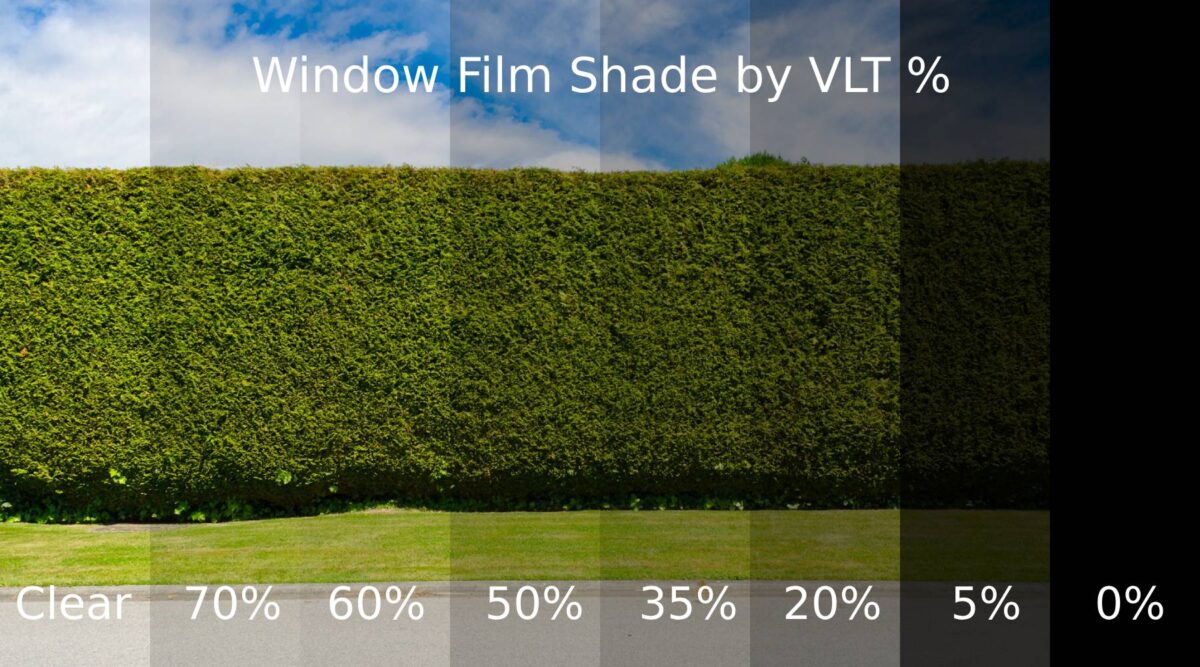
Consider the level of natural light you want to maintain in the space. Films come in various shades, from clear to dark, allowing you to control the amount of light entering the building.
Aesthetic Preferences
Choose a film that complements the architectural style and interior design of the building. Decorative films offer a range of options, from frosted to patterned designs.
Quality and Durability
Invest in high-quality films from reputable manufacturers. While they may be more expensive upfront, they offer better performance and longevity, saving money in the long run.
Installation and Maintenance
Professional Installation
For optimal results, hire a professional window film installer. They have the expertise to ensure a flawless application, avoiding bubbles, creases, or misalignment.
Maintenance Tips
- Cleaning: Use a soft cloth and mild detergent to clean the film. Avoid abrasive materials that could scratch the surface.
- Inspection: Regularly inspect the film for signs of wear or damage and replace it if necessary to maintain its effectiveness.
Conclusion
Commercial window tinting is a valuable investment that offers numerous benefits, including energy savings, enhanced aesthetics, and improved privacy. By considering factors such as purpose, regulations, and aesthetic preferences, you can choose the right film to meet your clients’ needs. With the right window tinting, you can transform any commercial space into an energy-efficient, visually appealing environment.