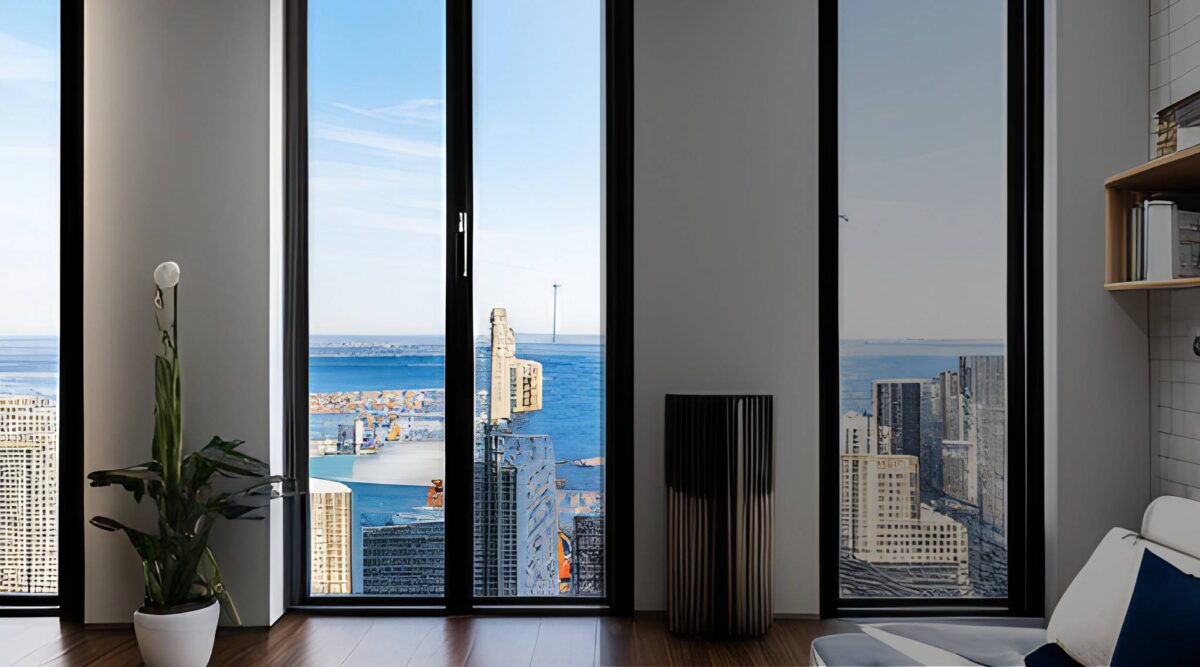
When it comes to enhancing the comfort and energy efficiency of your home, UV blocking window films offer an innovative solution. These films not only shield your interiors from harmful ultraviolet rays but also contribute to maintaining a cooler indoor environment. If you’re looking to improve your home’s energy efficiency without compromising on style, this guide will walk you through the essentials of choosing the right UV blocking window film.

UV window films are designed to block harmful ultraviolet rays from entering your home. These rays can damage your furniture, flooring, and artwork over time. By applying a UV blocking film, you can protect your interiors from fading while also benefiting from reduced glare and improved privacy.
Benefits of UV Window Films
Protection Against UV Rays
The primary benefit of UV window films is their ability to block up to 99% of harmful UV rays. This reduces the risk of interior fading and helps protect your skin from UV exposure.
Energy Efficiency
UV blocking films can significantly reduce heat gain during summer and heat loss during winter. This can lead to lower energy bills as your heating and cooling systems won’t have to work as hard to maintain a comfortable temperature.
Glare Reduction
If you’re tired of the blinding glare on your TV or computer screen, UV window films can help. By reducing glare, these films create a more comfortable living environment.
Privacy Enhancement
Some UV window films offer increased privacy by making it more difficult for outsiders to see into your home, without sacrificing natural light.
Types of Window Films

Understanding the different types of window films available is crucial in making the right choice for your home.
Solar Control Films
Solar control films are designed to reduce heat gain and glare. They are ideal for homes in sunny areas, providing significant energy savings by reducing the need for air conditioning.
Decorative Films
These films add aesthetic appeal to your windows with patterns or textures. While they don’t offer the same level of UV protection as other films, they are perfect for enhancing privacy and style.
Security Films
Security films add an extra layer of protection by holding shattered glass together in case of breakage. They are thicker than standard films and provide peace of mind against break-ins and accidents.
Dual Reflective Films
These films have a reflective outer layer that provides privacy during the day and a less reflective inner layer that maintains visibility at night. They are perfect for rooms with a view, allowing you to enjoy the scenery without compromising on privacy.
Choosing the Right Window Film
When selecting a UV blocking window film, consider the following factors:
Purpose and Goals
Determine what you want to achieve with your window film. Are you looking to enhance privacy, reduce glare, or simply protect your interiors from UV damage? Your goals will influence the type of film you choose.
Light and Heat Rejection
Different films offer varying degrees of light and heat rejection. Assess the amount of sunlight your windows receive and choose a film that provides the necessary protection without making your home too dark.
Aesthetic Preferences
If style is important, consider decorative or dual reflective films that complement your home’s interior design. There are numerous styles and patterns available to match any decor.
Budget Considerations
While high-quality films might have a higher upfront cost, they offer better durability and performance. Consider your budget and weigh it against the long-term benefits and potential energy savings.
Installation Tips

by truth lee (https://unsplash.com/@soeasily)
Once you’ve chosen the right film, proper installation is key to ensuring its effectiveness and longevity. Here are some tips for a successful installation:
Professional vs. DIY
While DIY installation is possible, hiring a professional ensures a flawless application. Professionals have the expertise and tools to handle large or complex windows, ensuring no bubbles or creases are left behind.
Surface Preparation
Clean the windows thoroughly to remove dirt, dust, and grease. Any impurities can prevent the film from adhering properly, affecting its appearance and performance.
Tools Needed
If you opt for a DIY installation, ensure you have the right tools, including a utility knife, squeegee, and a spray bottle with soapy water. These tools will help you achieve a smooth and even application.
Post-Installation Care
Allow the film to cure for a few days before cleaning the windows. Use a soft cloth and mild cleaning solution to avoid damaging the film.
Real-World Applications and Success Stories
Case Study: The Modern Home
In a modern home setting, a combination of solar control and decorative films was used to enhance energy efficiency while maintaining stylish interiors. The homeowners reported a noticeable reduction in their energy bills and a more comfortable living environment.
Case Study: The Office Space
An office space utilized dual reflective films to improve privacy and reduce glare. Employees appreciated the improved working conditions, and the company benefited from lower cooling costs during the summer.
Conclusion
Choosing the right UV blocking window film can make a significant difference in your home’s comfort, energy efficiency, and aesthetics. By considering your specific needs and preferences, you can select a film that offers the perfect balance of protection, style, and performance. Whether you’re looking to reduce energy costs, protect your interiors, or enhance privacy, UV window films provide a versatile and effective solution.
Embrace the benefits of UV blocking window films and transform your living space into a more comfortable and energy-efficient environment. With the right film, you can enjoy the beauty of natural light without the drawbacks of UV exposure and excessive heat.