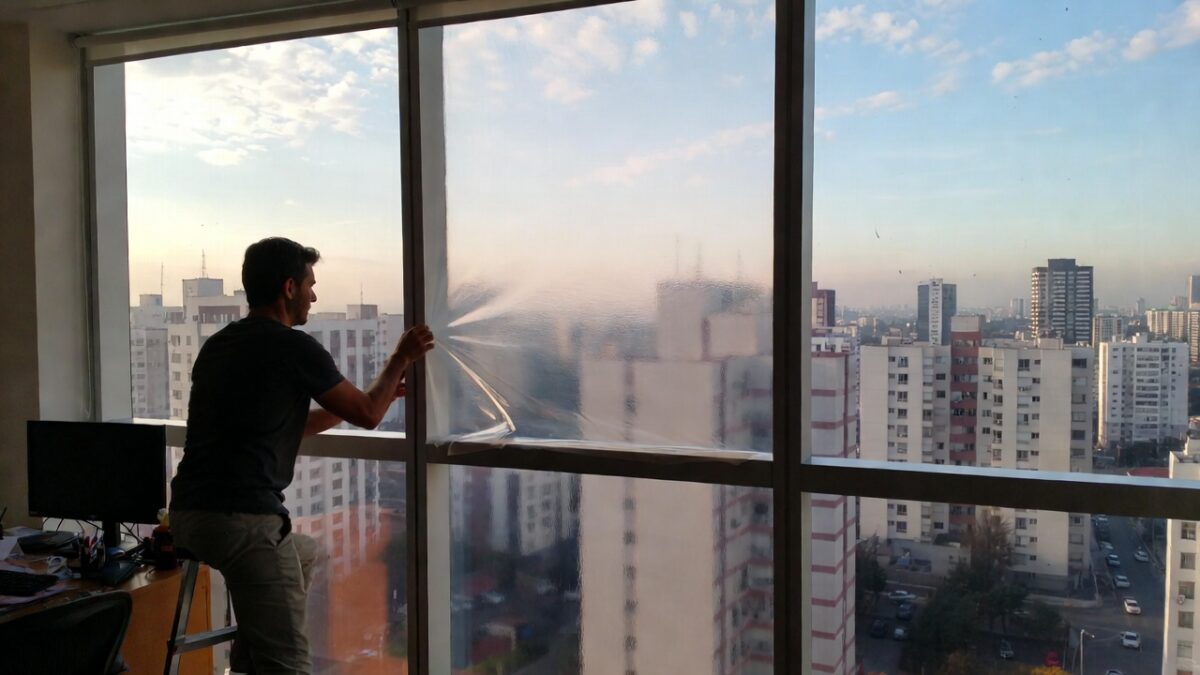

In the quest for energy efficiency and enhanced privacy, many homeowners are turning to innovative solutions like heat reflective window film. This modern technology offers a variety of benefits, from reducing energy costs to increasing privacy without sacrificing natural light. If you’re an interior designer looking to provide your clients with stylish and eco-friendly window solutions, understanding the advantages of heat reflective window film is essential.
What Is Heat Reflective Window Film?
Heat reflective window film is a thin layer of material applied to windows to control the amount of solar energy entering a building. It works by reflecting a significant portion of the sun’s heat away from the window, thereby reducing the need for air conditioning during hot months. This type of film is also known as window insulation film due to its ability to enhance energy efficiency.
How Does It Work?
The film is composed of multiple layers of polyester, each treated to reflect solar rays. The top layer is typically metallic, which is responsible for reflecting the heat. When applied to windows, it can block up to 80% of solar heat. This not only helps keep indoor temperatures cooler but also protects interiors from harmful UV rays that can cause fading.

Benefits of Heat Reflective Window Film
Energy Efficiency
One of the primary benefits of heat reflective window film is its ability to improve energy efficiency. By reflecting the sun’s heat, it helps maintain a consistent indoor temperature, reducing the reliance on HVAC systems. This can lead to significant savings on energy bills. For an interior designer, this means offering a solution that not only looks good but also contributes to sustainability.
Enhanced Privacy
Many homeowners seek privacy without wanting to compromise on natural light. Heat reflective window film offers an excellent solution. The film allows light to enter while obscuring the view from the outside during the day. This means you can enjoy the natural light without the prying eyes of passersby, making it an ideal choice for ground-level windows or urban living spaces.
UV Protection
The film also provides protection against harmful UV rays. It can block up to 99% of UV radiation, which helps protect furniture, flooring, and artwork from fading. This is particularly beneficial for spaces with large windows where sunlight exposure is significant. As an interior designer, you can assure clients that their investment in quality furnishings and decor will be safeguarded.
Aesthetic Appeal
Heat reflective window films come in various shades and finishes, allowing you to tailor the appearance to suit different design needs. Whether your client prefers a mirrored finish for a modern look or a subtle tint that complements their interior color scheme, there is an option available. This versatility makes it easy to integrate into any design project.
Types of Window Films
When considering window films, it’s important to understand the different types available, as each offers unique benefits.
Solar Control Films
These are designed primarily to reduce heat gain and glare while maintaining visibility. They are ideal for rooms that experience intense sunlight and can significantly enhance comfort and reduce cooling costs.
Privacy Window Films
These films are specifically designed to increase privacy. They often have a frosted or decorative finish that obscures the view from outside. They are perfect for bathrooms, offices, or any space where privacy is a priority.
Security Films
While not specifically heat reflective, security films offer added strength to windows, making them more resistant to breakage. They are a great option for enhancing safety while also providing some degree of solar control.

by Hc Digital (https://unsplash.com/@hcdigital)
Installation Process
Installing heat reflective window film is a straightforward process, but it requires precision to ensure maximum effectiveness.
Professional vs. DIY Installation
While DIY installation kits are available, professional installation is recommended for the best results. Professionals have the expertise and tools to ensure a flawless application, free of bubbles and creases. For interior designers, partnering with a professional installer can be a great way to ensure quality service for your clients.
Steps Involved
- Window Cleaning: The window surface must be thoroughly cleaned to remove dust, dirt, and any residue. A clean surface is crucial for the film to adhere properly.
- Film Application: The film is carefully cut to size and applied to the window using a special adhesive. It’s important to ensure there are no air bubbles trapped between the film and the glass.
- Trimming and Finishing: Excess film is trimmed away, and the edges are smoothed to ensure a seamless fit.
Cost Considerations
The cost of heat reflective window film can vary based on factors such as the quality of the film, the size of the windows, and the complexity of the installation. While it represents an upfront investment, the energy savings and extended lifespan of interior furnishings can offset the initial cost over time.
Conclusion
Heat reflective window film offers a multitude of benefits for homeowners and interior designers alike. From enhancing energy efficiency and privacy to protecting against UV damage, it is a versatile solution for modern living spaces. By incorporating heat reflective window film into your design projects, you can provide clients with a stylish and functional enhancement to their homes.
For more information on selecting and installing the right window film for your needs, consider consulting with a professional installer to explore the best options available.