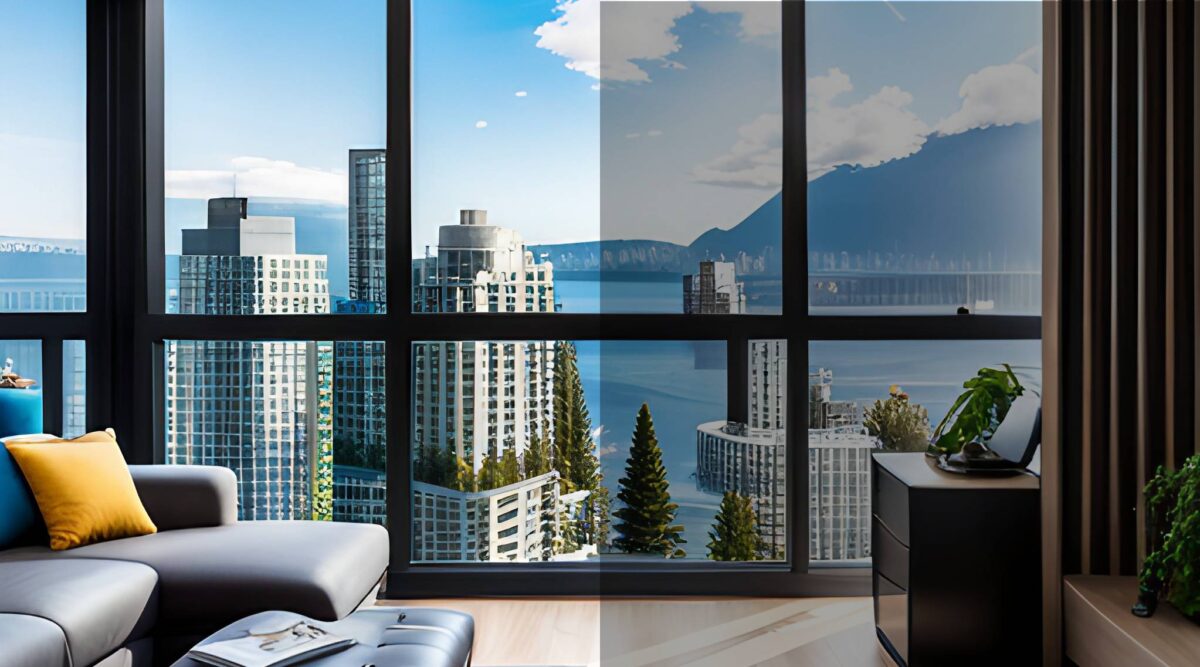
When the sun beats down relentlessly, keeping your home cool can feel like an uphill battle. Air conditioning can help, but it often comes with high energy bills. This is where window film comes into play—a simple yet effective solution for hot weather insulation. In this article, we’ll explore how reflective and thermal window films can enhance your home’s comfort and energy efficiency.

Window film is a thin layer of polyester or similar material applied to the interior of your windows. It’s designed to control heat transfer, reduce glare, and block harmful UV rays. But how does it work, and is it really effective for insulation during hot weather?
Types of Window Films
There are several types of window films available, each with specific benefits:
- Reflective Window Film: Known for its mirror-like appearance, reflective window film is highly effective in reducing solar heat gain by reflecting sunlight away from your windows.
- Thermal Window Film: This film is designed to improve insulation by reducing heat transfer through the glass, keeping your home cooler in the summer and warmer in the winter.
Both types contribute to better energy efficiency, but they operate differently to achieve this goal.
The Science Behind Window Film
Window films work on the principles of reflection and absorption. By reflecting a significant portion of the sun’s rays, these films reduce the amount of heat that enters your home. This means your air conditioning system doesn’t have to work as hard, leading to lower energy consumption and cost savings.
How Effective Is Window Film?
Studies have shown that window films can block up to 99% of harmful UV rays and reduce solar heat gain by up to 80%. This translates into significant energy savings and increased comfort.

Benefits of Window Film in Hot Weather
- Reduced Cooling Costs: By keeping your home naturally cooler, window films can cut down on air conditioning use, leading to lower utility bills.
- Enhanced Comfort: With less solar heat entering your home, indoor temperatures remain more stable, providing a more comfortable living environment.
- UV Protection: Window films protect your furnishings, flooring, and artwork from fading by blocking harmful UV rays.
- Glare Reduction: Enjoy natural light without the harsh glare that can make it difficult to see screens and other surfaces.
Installing Window Film

by Zen Summer (https://unsplash.com/@ispywithmylittleeye)
While DIY window film kits are available, professional installation ensures optimal performance and longevity. A professional can recommend the right type of film for your specific needs and ensure a flawless application.
Steps Involved in Installation
- Consultation: Assess your needs and determine the best type of film for your home.
- Preparation: Clean the windows thoroughly to ensure a smooth application.
- Application: Carefully apply the film, smoothing out any air bubbles or creases.
- Curing: Allow the film to cure for a few days for maximum effectiveness.
Choosing the Right Window Film
Selecting the right window film depends on several factors, including your climate, window orientation, and aesthetic preferences. Reflective films are excellent for south-facing windows, while thermal films are ideal for overall insulation enhancement.
Aesthetic Considerations
Window films come in various tints and finishes, allowing you to choose a style that complements your home’s decor. From subtle tints to bold reflective surfaces, there’s an option for every taste.
Enhancing Your Home’s Energy Efficiency
Window film is just one component of a comprehensive energy efficiency strategy. Pairing it with other measures, like installing energy-efficient windows or improving insulation, can further reduce energy costs and improve comfort.
Integrating Window Film with Design
As an interior designer, incorporating window film into your projects not only enhances energy efficiency but also adds a sleek, modern touch to your designs. It’s an eco-friendly choice that aligns with the growing demand for sustainable living solutions.
Conclusion
In conclusion, window film is a highly effective solution for hot weather insulation. It offers a range of benefits, from reducing energy costs and enhancing comfort to protecting your interiors from UV damage. Whether you choose reflective or thermal film, professional installation ensures you get the most out of your investment.
By integrating window film into your home improvement projects, you can offer your clients an innovative, cost-effective solution that enhances both aesthetics and functionality.
Remember, while window film provides significant benefits on its own, combining it with other energy-saving measures can maximize results. So, consider window film as a valuable addition to your toolkit for achieving stylish, energy-efficient interiors.