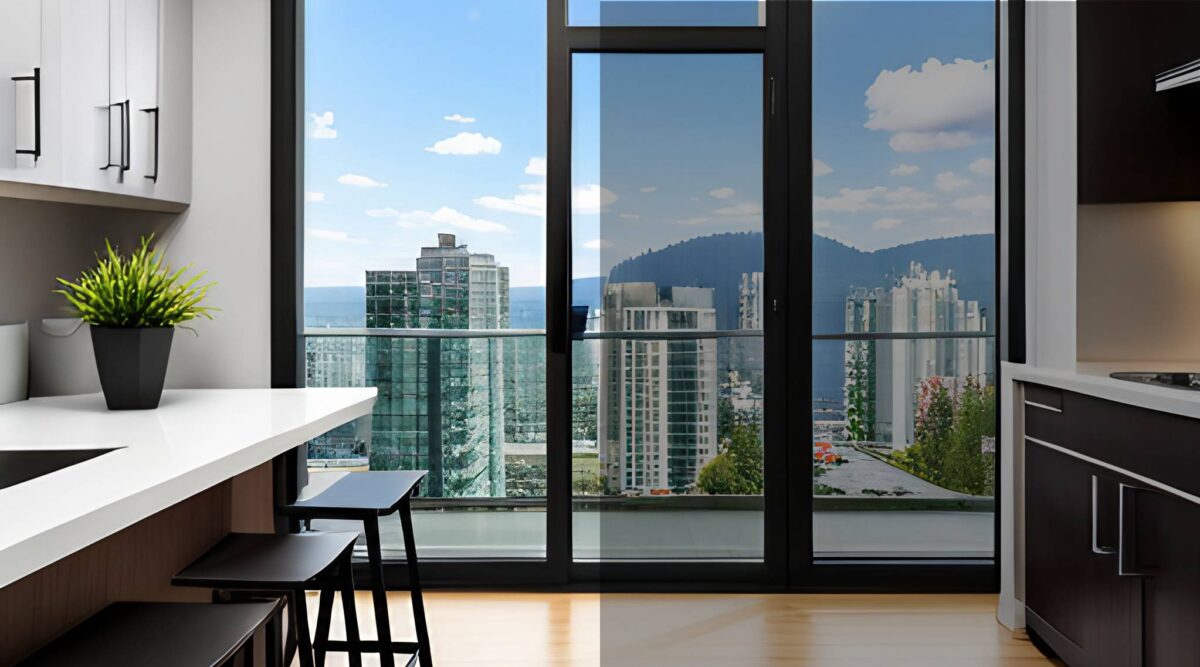
Window tinting involves applying a thin film to the interior or exterior of glass surfaces. This film can be made from different materials, such as polyester, and is coated with a protective layer that can block UV rays, reduce glare, and add a touch of privacy. The science behind window tinting lies in its ability to filter out specific wavelengths of light while allowing others to pass through, creating an environment that’s both comfortable and energy-efficient.
There are several types of window tint available, each offering unique benefits:
- Dyed Window Film: This type of tint uses dye to block sunlight. While it’s great for reducing glare and providing privacy, it doesn’t offer much heat reduction. The dyed film absorbs solar heat, preventing some of it from entering your space, but it may fade over time, requiring replacement to maintain its appearance and effectiveness.
- Metalized Window Film: Embedded with metallic particles, this film reflects heat and UV rays. It’s durable and effective but may interfere with electronic signals. Despite this potential drawback, it offers superior durability and can enhance the structural integrity of the windows.
- Carbon Window Film: Known for its matte finish, carbon film blocks heat and UV rays without affecting electronic devices. This type of tint also does not fade as easily as dyed films, making it a more durable option for those looking for long-term solutions.
- Ceramic Window Film: The highest quality tint on the market, ceramic film provides excellent heat reduction and UV protection without any interference with electronics. It’s also resistant to glare and fading, making it a premium choice for those seeking the best in window tint technology.
Home window tinting can significantly improve energy efficiency. By blocking a significant amount of the sun’s heat, window tints reduce the need for air conditioning during the hot months. This can lead to lower energy bills and a reduced carbon footprint. In winter, window tints can also help retain interior heat, reducing heating costs and contributing to a more sustainable home environment.
Window tints block up to 99% of harmful UV rays, which not only protects your skin but also prevents your furniture, flooring, and artwork from fading. Over time, UV exposure can significantly damage these items, leading to costly replacements. With window tinting, you can preserve the longevity and vibrancy of your interior decor, making it a wise investment for homeowners.
Tinted windows provide an added layer of privacy by making it difficult for outsiders to see inside. This can deter potential intruders and give you peace of mind. Furthermore, the film can hold glass together in the event of a breakage, adding an extra layer of safety by reducing the risk of injury from shattered glass.
By reducing glare, window tints ensure a more comfortable living environment. Whether you’re watching TV, working from home, or simply relaxing, tints help maintain a consistent temperature and reduce eye strain. This contributes to a more enjoyable home experience, where you can focus on your activities without the discomfort of harsh sunlight.
Car window tinting can significantly reduce the heat inside your vehicle, making it more comfortable during hot weather and reducing the need for air conditioning. This not only enhances passenger comfort but also contributes to fuel efficiency, as the air conditioning system does not need to work as hard to cool the vehicle.
Tinting your car windows minimizes glare from the sun and headlights, ensuring a safer driving experience. By reducing glare, tints can help improve visibility and reduce eye strain, which is particularly beneficial during long drives or in areas with intense sunlight.
Just like home tints, car window tints offer protection from harmful UV rays, safeguarding your skin and preventing the car interior from fading. This protection is crucial for maintaining the appearance and value of your vehicle, as UV damage can cause interior materials to crack and fade over time.
Car window tinting adds a layer of privacy, making it harder for people to see into your vehicle, which can deter theft and provide peace of mind. Additionally, the added privacy can make passengers feel more comfortable, especially when traveling in busy urban areas.
When selecting window tint, consider the following factors:
- Purpose: Determine whether your primary goal is to reduce heat, enhance privacy, or block UV rays. Understanding your main objective will help you choose the right type of film that best meets your needs.
- Quality: Opt for high-quality films that offer durability and effective performance. Investing in quality ensures that your window tint will last longer and perform better, saving you money on replacements and repairs.
- Legal Restrictions: Check local regulations regarding window tinting, as there are often restrictions on how dark or reflective your tints can be. Compliance with the law will prevent potential fines and ensure your safety on the road.
- Professional Installation: For the best results, hire a professional to ensure proper installation and avoid bubbles or peeling. A skilled installer will also provide you with advice on maintaining your tint to ensure longevity and effectiveness.
Before installation, it’s crucial to clean the windows thoroughly to ensure the tint adheres properly. Remove any dust, grease, or debris to prevent imperfections. A clean surface is essential for a smooth application and helps prevent future issues such as bubbling or peeling.
The film is carefully cut to fit each window and then applied using a special adhesive. A squeegee is used to smooth out any air bubbles, ensuring a clean finish. Precision during application is key, as even small errors can affect the appearance and performance of the tint.
Once applied, the tint needs time to cure. Avoid rolling down car windows or cleaning home windows for a few days to ensure the film sets properly. The curing process allows the adhesive to bond fully with the glass, ensuring a durable finish that lasts.
To prolong the life of your window tints, follow these maintenance tips:
- Use Soft Cloths: Avoid abrasive materials when cleaning tinted windows. Instead, use a soft cloth or sponge. This prevents scratches and maintains the clarity and appearance of the tint.
- Mild Cleaning Solutions: Use a mild soap and water mixture for cleaning. Avoid ammonia-based cleaners, as they can damage the tint. Regular gentle cleaning helps maintain the tint’s effectiveness and appearance.
- Regular Inspections: Check for any signs of peeling or bubbling. Address issues promptly to prevent further damage. Early detection and repair can save you from more extensive and costly repairs in the future.
Window tinting is a versatile solution that offers numerous benefits for both homes and vehicles. From energy savings and UV protection to enhanced privacy and comfort, the advantages are substantial. Whether you’re an interior designer looking to provide your clients with stylish, eco-friendly window solutions, or a homeowner seeking to improve your living space, window tinting is a worthwhile investment. By selecting the right type of tint and ensuring professional installation, you can enjoy all the benefits while enhancing the aesthetic and functional aspects of your windows. Embrace the transformative power of window tinting and experience a more comfortable, efficient, and secure environment.