Categories
Window Film and Tints

Must-Know Info About Solar Film For Windows

In today’s world, homeowners and interior designers alike are seeking innovative solutions that enhance the aesthetics of living spaces while also offering functional benefits. One such solution is solar film for windows. This article delves into everything you need to know about this remarkable technology, from its benefits to installation tips, to help you make an informed decision for your home or client projects.

Close-up of a solar film application on a window

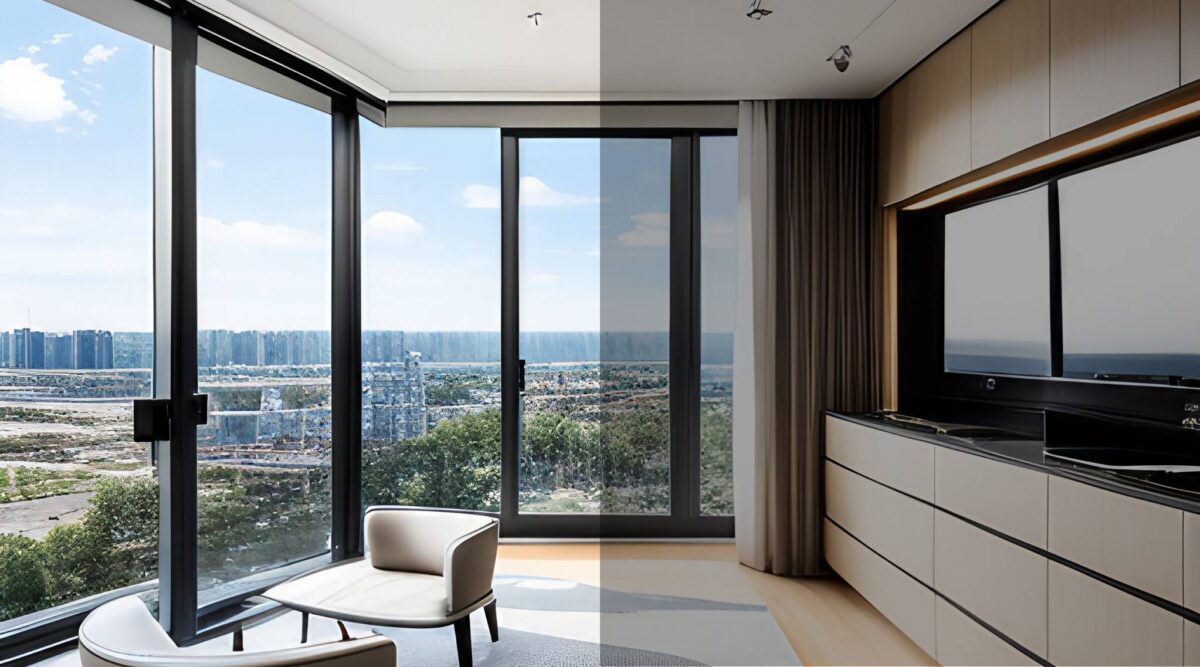
Solar film, also known as solar window tint, is a thin layer of material that can be applied to glass surfaces. Its primary function is to reduce the amount of heat and glare that enters a building through the windows. This not only enhances comfort but can also significantly lower energy costs associated with cooling.

How Does Solar Film Work?

Solar film works by reflecting and absorbing the sun’s rays. It is designed with advanced technology that allows it to block a significant percentage of ultraviolet (UV) rays and infrared radiation. By doing so, it reduces the heat and glare that penetrate the windows, maintaining a cooler and more comfortable indoor environment.

Benefits of Solar Film for Windows

Energy Efficiency

One of the most significant benefits of solar film is its ability to improve energy efficiency. By reducing the heat entering through windows, solar film minimizes the need for air conditioning, which can lead to substantial savings on energy bills. This makes it a cost-effective solution for homeowners seeking to reduce their carbon footprint.

UV Protection

Diagram showing UV protection by solar film

Solar film provides excellent UV protection, blocking up to 99% of harmful UV rays. This protection helps prevent furniture, flooring, and artwork from fading, preserving the longevity and appearance of your interior décor.

Enhanced Privacy

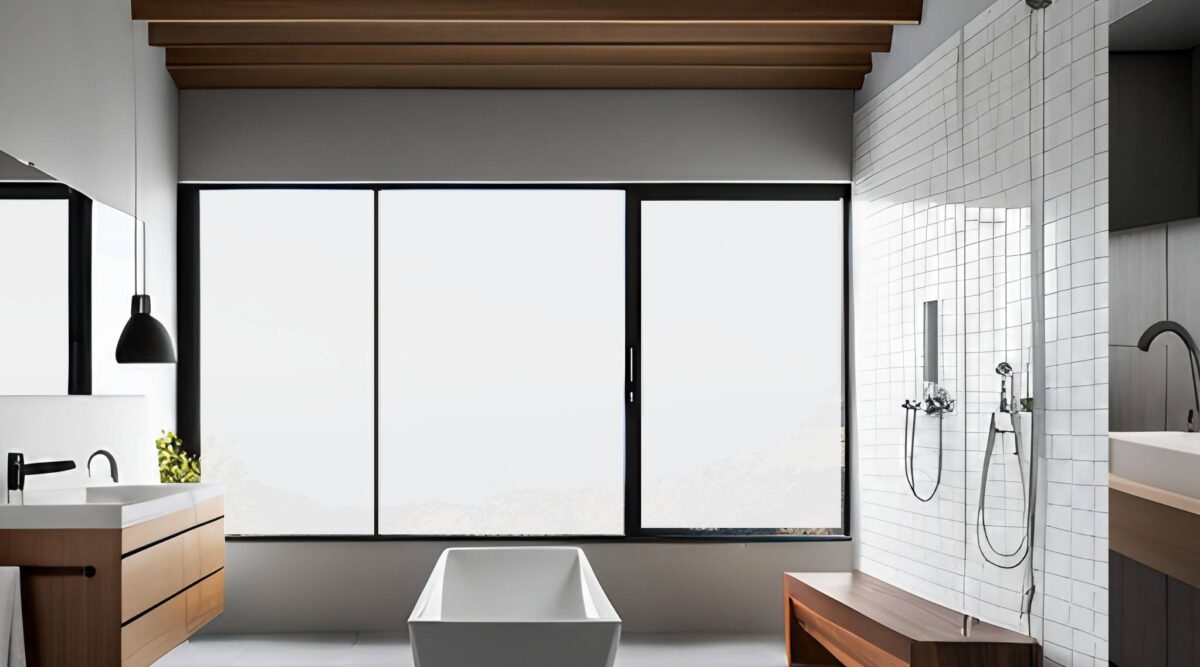
For homeowners seeking additional privacy, solar film can serve as an effective privacy window film. It reduces the visibility from outside while maintaining clear visibility from inside, making it an ideal solution for street-facing windows or rooms that require added privacy.

Improved Comfort

By cutting down on glare, solar film enhances the comfort of living spaces. Whether you’re watching TV, working on a computer, or simply relaxing, reducing glare can significantly improve your quality of life.

Aesthetic Appeal

Available in a variety of shades and finishes, solar film can complement any interior design style. Whether you prefer a subtle, nearly invisible film or a darker tint for added privacy, there are options to suit every aesthetic preference.

Types of Solar Film

Reflective Solar Film

Reflective solar film is known for its mirror-like appearance from the outside. It is highly effective in reducing heat and glare, making it ideal for environments with intense sunlight exposure.

Non-Reflective Solar Film

Non-reflective solar film offers a more natural appearance without the mirror effect. It still provides excellent heat and UV protection, making it a popular choice for residential settings.

Dual-Reflective Solar Film

This type of solar film offers a balance between reflective and non-reflective films. It provides high heat rejection with a less reflective appearance from the inside, offering a clearer view outdoors.

Installation Process

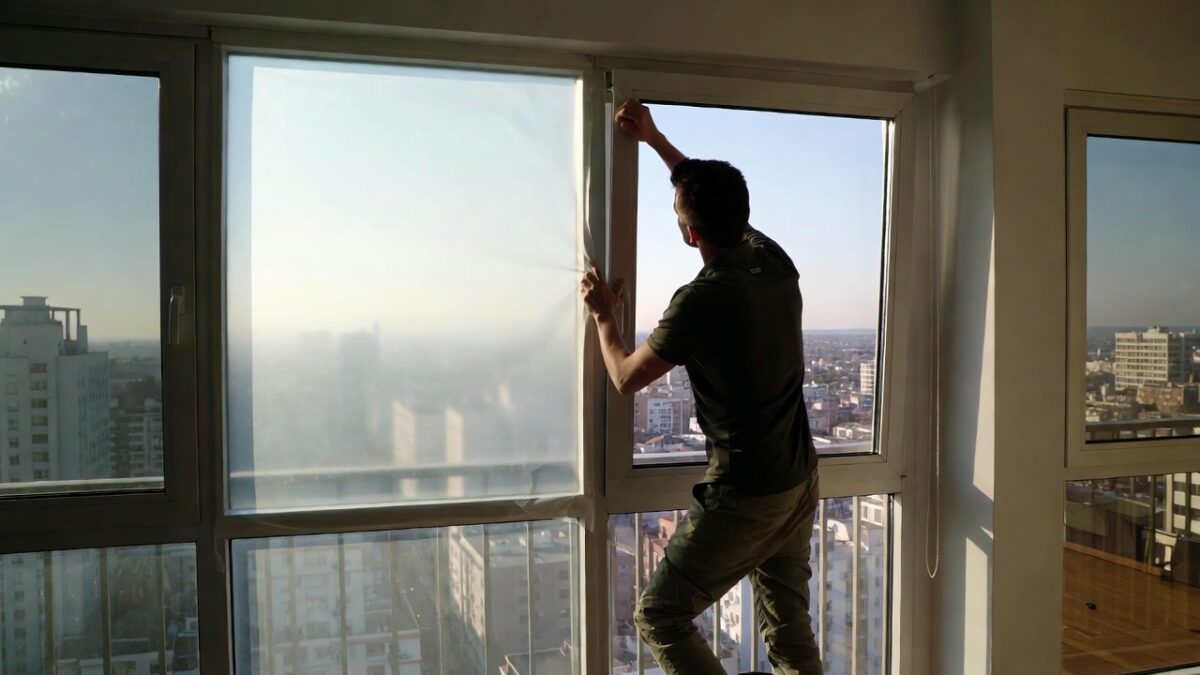
Installing solar film on windows is a relatively straightforward process, but it requires precision to ensure optimal results.

Professional Installation

Professional installer applying solar film to a window

by Joshua Bowers (https://unsplash.com/@joshua_sx)

For the best results, it’s recommended to hire a professional installer. They have the expertise and tools necessary to apply the film without bubbles or creases, ensuring a smooth and flawless finish.

DIY Installation

For those who prefer a hands-on approach, DIY installation kits are available. These kits usually come with detailed instructions and all the necessary tools. However, it’s crucial to follow the instructions carefully to avoid mistakes that could affect the film’s performance.

Maintenance and Care

Solar film requires minimal maintenance. To keep it in top condition, clean the windows with a soft cloth and a mild, non-abrasive cleaning solution. Avoid using harsh chemicals or abrasive materials, as these can damage the film’s surface.

Choosing the Right Solar Film

When selecting solar film for windows, consider the following factors:

  • Climate: In warmer climates, a film with higher heat rejection capabilities may be more beneficial.
  • Aesthetic Preferences: Choose a film that complements your interior design style and desired level of privacy.
  • Budget: While solar film is a cost-effective solution, prices can vary based on quality and brand. Balance your budget with the desired benefits and longevity.

Conclusion

Solar film for windows is a versatile and effective solution for enhancing the comfort, privacy, and energy efficiency of any home. With its ability to reduce glare, protect against UV rays, and provide aesthetic appeal, it’s no wonder that more homeowners and interior designers are turning to this innovative technology.

By understanding the benefits, types, and installation process, you can make an informed decision about incorporating solar film into your living spaces. Whether you’re seeking to lower energy costs, protect your interiors, or add a touch of privacy, solar film offers a solution that meets your needs with style and functionality.

Categories
Window Film and Tints

Top Features of Security Film For Windows

In the realm of home improvement, security film for windows has emerged as a versatile and highly effective solution. It not only enhances the security of your home but also contributes to privacy and energy efficiency. As an expert in window film installations, I understand the importance of tailored solutions that cater to individual needs. In this article, we’ll explore the top features of security film for windows, helping you make informed decisions for your home or client’s space.

Security film installation

Security film for windows is a thin, durable layer applied to existing glass surfaces. It is designed to hold glass fragments together in the event of breakage, thereby preventing shattering and reducing the risk of injury. Security film is an ideal choice for those looking to enhance their home’s safety without compromising on aesthetics.

Key Benefits of Security Film

Security film offers a range of benefits that make it an attractive option for homeowners and interior designers alike.

  1. Enhanced Security: The primary function of security film is to provide an additional layer of protection against break-ins and vandalism. By making it more difficult for intruders to gain access, security film acts as a deterrent.
  2. Increased Privacy: Privacy window film options are available, allowing you to maintain natural light while obscuring the view from outside. This is particularly beneficial for ground-level rooms or spaces that face busy streets.
  3. UV Protection: Security film can block up to 99% of harmful UV rays, protecting your interior furnishings from fading and damage. This feature is crucial for preserving the longevity of your decor and maintaining vibrant colors.
  4. Energy Efficiency: By reducing heat gain in the summer and heat loss in the winter, security film helps maintain a consistent indoor temperature, leading to lower energy bills. It’s an eco-friendly solution that complements energy-efficient design strategies.
  5. Shatter Resistance: In the event of accidental impact or natural disasters, security film holds broken glass together, minimizing the risk of injury from flying shards.

Types of Security Film for Windows

Various window films

There are several types of security film available, each designed to meet specific needs.

Clear Security Film

Clear security film is the most common type, offering protection without altering the appearance of your windows. It’s perfect for those who want to maintain a natural look while adding a layer of security.

Tinted Security Film

Tinted security film not only provides security but also reduces glare and heat. This type of film is ideal for rooms that receive excessive sunlight, offering both privacy and comfort.

Decorative Security Film

For those looking to add a touch of style, decorative security film offers various patterns and designs. It combines aesthetics with functionality, making it a popular choice for creative interior design solutions.

Reflective Security Film

Reflective security film enhances privacy by creating a mirror-like effect on the outside, while still allowing you to see out. It’s perfect for those who want maximum privacy without sacrificing natural light.

Installation Process

Window film application

by Shigeko Fukaya (https://unsplash.com/@shige_jane)

The installation of security film for windows is a precise process that requires professional expertise to ensure optimal performance.

Step-by-Step Installation

  1. Assessment: A professional will evaluate your windows to determine the appropriate type and thickness of film needed for your specific requirements.
  2. Preparation: The windows are thoroughly cleaned to ensure a smooth application. Any dust or debris can affect the adhesion of the film.
  3. Application: The film is carefully measured and cut to fit the window. It is then applied using a special adhesive, ensuring a bubble-free finish.
  4. Curing: Once applied, the film needs time to cure. This process can take a few days, during which the film bonds fully to the glass.

Professional vs. DIY Installation

While DIY kits are available, professional installation is recommended to guarantee the best results. A skilled installer ensures that the film is applied correctly, maximizing its effectiveness and longevity.

Cost Considerations

The cost of security film for windows can vary based on several factors, including the type of film, the size of the windows, and the complexity of the installation. However, the investment is often justified by the enhanced security, energy savings, and increased property value that security film provides.

Factors Influencing Cost

  1. Type of Film: Decorative and reflective films may be more expensive than standard clear options due to their additional features.
  2. Window Size: Larger windows require more material, increasing the overall cost.
  3. Installation Complexity: Windows with unusual shapes or difficult access can lead to higher installation costs.

Long-Term Savings

Despite the initial investment, security film can lead to significant savings over time. Reduced energy bills and less frequent replacement of faded furnishings contribute to the overall cost-effectiveness of this solution.

Conclusion

Security film for windows is a multifaceted solution that addresses numerous homeowner concerns, from security and privacy to energy efficiency. By understanding the features and benefits of different types of security film, you can make informed decisions that enhance the functionality and aesthetics of your living spaces.

Whether you’re an interior designer seeking stylish and eco-friendly solutions for clients or a homeowner looking to improve home security, security film offers a practical and visually appealing option. As a trusted expert in window film installations, I am committed to delivering high-quality and precise solutions tailored to your unique needs. Embrace the benefits of security film today and transform your windows into a feature of safety and style.

Categories
Window Film and Tints

How to Choose the Right Commercial Window Tinting

Choosing the right commercial window tinting can significantly enhance the aesthetics and energy efficiency of a building. As an interior designer, selecting the appropriate window film is essential to meet your clients’ needs while complementing their design vision. This guide will provide you with valuable insights into making the best choice for commercial window tinting.

Commercial building with window tinting

Commercial window tinting involves applying a thin film to the windows of a building. This film helps control sunlight, reduce glare, enhance privacy, and improve energy efficiency. There are various types of window films available, each offering unique benefits, so understanding the differences is crucial.

Types of Window Films

  1. Solar Control Films: These films are designed to block harmful UV rays and reduce heat gain. They help in maintaining a comfortable indoor temperature, thereby lowering energy costs.
  2. Privacy Films: As the name suggests, these films enhance privacy by obstructing the view from outside without compromising natural light.
  3. Decorative Films: These films are used to add aesthetic appeal to windows. They come in various patterns and styles, allowing designers to create unique looks.
  4. Safety and Security Films: These are thicker films that hold glass together in case of breakage, providing an added layer of security.
  5. Anti-Graffiti Films: These films protect windows from vandalism and can be easily replaced if damaged.

Benefits of Commercial Window Tinting

Office space with tinted windows

Energy Efficiency

One of the most significant benefits of commercial window tinting is improved energy efficiency. By reducing heat gain during summer and heat loss during winter, window films help maintain a consistent indoor temperature. This results in lower energy consumption and reduced utility bills.

Enhanced Aesthetics

Window tinting can drastically change the look of a building. With decorative films, you can achieve a sleek, modern appearance that complements the overall design of the space. Privacy films also add a touch of sophistication while ensuring discretion.

UV Protection

Harmful UV rays can damage furniture, flooring, and artwork over time. Window films block up to 99% of these rays, preserving the interior of the building and extending the life of furnishings.

Glare Reduction

Excessive glare can cause discomfort and reduce productivity, especially in office environments. Window films minimize glare, creating a more comfortable working environment.

Increased Privacy and Security

Privacy films ensure that sensitive information remains protected from prying eyes. Additionally, safety films can deter break-ins and protect occupants in case of glass breakage.

Factors to Consider When Choosing Window Tinting

Sample window films

by Saad Ahmad (https://unsplash.com/@saadahmad_umn)

Purpose and Goals

Begin by identifying the primary purpose of the window tinting. Is it to enhance privacy, improve energy efficiency, or add a decorative touch? Understanding the goals will guide you in selecting the right type of film.

Building Regulations and Codes

Different regions have specific building codes and regulations regarding window tinting. Ensure that the chosen film complies with these regulations to avoid any legal issues.

Light Transmission

Consider the level of natural light you want to maintain in the space. Films come in various shades, from clear to dark, allowing you to control the amount of light entering the building.

Aesthetic Preferences

Choose a film that complements the architectural style and interior design of the building. Decorative films offer a range of options, from frosted to patterned designs.

Quality and Durability

Invest in high-quality films from reputable manufacturers. While they may be more expensive upfront, they offer better performance and longevity, saving money in the long run.

Installation and Maintenance

Professional Installation

For optimal results, hire a professional window film installer. They have the expertise to ensure a flawless application, avoiding bubbles, creases, or misalignment.

Maintenance Tips

  • Cleaning: Use a soft cloth and mild detergent to clean the film. Avoid abrasive materials that could scratch the surface.
  • Inspection: Regularly inspect the film for signs of wear or damage and replace it if necessary to maintain its effectiveness.

Conclusion

Commercial window tinting is a valuable investment that offers numerous benefits, including energy savings, enhanced aesthetics, and improved privacy. By considering factors such as purpose, regulations, and aesthetic preferences, you can choose the right film to meet your clients’ needs. With the right window tinting, you can transform any commercial space into an energy-efficient, visually appealing environment.

Categories
Window Film and Tints

Creative Ways to Use Blackout Window Film

In the realm of home improvement, blackout window film has emerged as a versatile and practical solution for a variety of needs. Whether you’re an interior designer aiming to enhance aesthetics or a homeowner seeking privacy and energy efficiency, understanding the creative applications of blackout window film can significantly impact your living spaces. In this article, we’ll explore innovative ways to utilize blackout window film, highlighting its benefits and offering insights into how it can transform your environment.

Close-up of blackout window film application

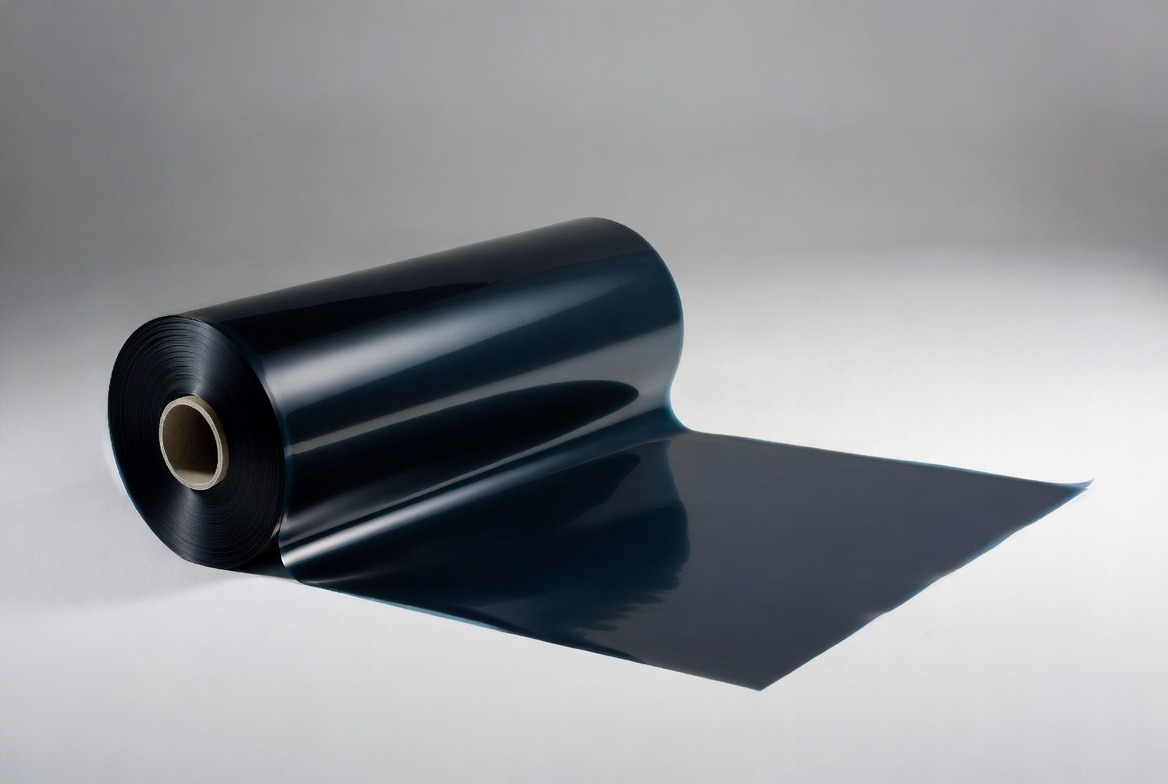
Blackout window film is a specialized type of window covering designed to block out light completely. Unlike traditional window tints that primarily reduce glare and heat, blackout films provide total darkness, making them an ideal choice for areas where privacy and light control are paramount.

Benefits of Blackout Window Film

  • Enhanced Privacy: By completely blocking the view from outside, blackout window film offers unparalleled privacy, making it perfect for bedrooms, bathrooms, and office spaces.
  • Light Control: This film effectively eliminates unwanted light, making it ideal for creating a dark, cozy environment in media rooms or nurseries.
  • Energy Efficiency: By reducing heat transfer, blackout films contribute to energy savings, keeping interiors cooler in summer and warmer in winter.
  • Aesthetic Appeal: With a sleek, modern look, blackout films can complement various interior design styles, adding a touch of sophistication.

Innovative Applications for Blackout Window Film

Modern home interior with blackout window film

1. Creating the Perfect Home Theater

Transforming a room into a home theater requires controlling ambient light for an optimal viewing experience. Blackout window film can turn any room into a cinema-like environment by blocking outside light and reducing glare on screens. This makes for an immersive viewing experience, allowing you to enjoy movies, sports, and games in the best possible setting.

2. Enhancing Bedroom Privacy and Comfort

For bedrooms, particularly in urban settings, privacy is a crucial concern. Blackout window film can provide the peace of mind you need by ensuring that your personal space remains private. Additionally, the film’s ability to block light can help regulate sleep patterns, creating a restful environment for better sleep quality.

3. Creating a Productive Home Office

In today’s remote work culture, a well-designed home office is essential. Blackout window film can help reduce glare on computer screens, preventing eye strain and enhancing productivity. It also allows for better control of the room’s lighting conditions, ensuring a comfortable work environment.

4. Protecting Valuables from Sun Damage

Exposure to sunlight can cause fading and damage to furniture, artwork, and flooring. Blackout window film acts as a protective barrier, shielding your valuables from harmful UV rays and prolonging their lifespan.

5. Adding Style to Commercial Spaces

Blackout window film isn’t just for residential use; it’s also a valuable addition to commercial settings. Retail stores, restaurants, and offices can benefit from the privacy and aesthetic appeal it provides. It can also be used creatively in display windows or as part of a branding effort to create a unique visual identity.

How to Install Blackout Window Film

Installation of blackout window film on a window

by Dominik Puskas (https://unsplash.com/@puskas_dominik)

Installing blackout window film can be a straightforward DIY project, but it requires attention to detail to ensure a smooth, bubble-free finish. Here’s a step-by-step guide:

  1. Measure and Cut: Measure your window precisely and cut the film to size, allowing for a slight overlap.
  2. Clean the Window: Ensure the window is thoroughly cleaned with a non-abrasive cleaner to remove dust and debris.
  3. Apply the Film: Peel the backing from the film and apply it to the window, starting at the top and working your way down. Use a squeegee to smooth out any air bubbles as you go.
  4. Trim the Edges: Once the film is in place, use a sharp utility knife to trim any excess film for a clean edge.
  5. Final Touches: Use the squeegee again to ensure the film is firmly adhered and all bubbles are removed.

For larger projects or for those who prefer professional help, hiring an expert can ensure a flawless application and save time.

Choosing the Right Blackout Window Film

When selecting blackout window film, consider the following factors:

  • Quality: Look for films with high UV protection ratings and durable construction to ensure long-lasting performance.
  • Color and Finish: Blackout films come in various shades and finishes. Choose one that complements your interior style and fulfills your privacy needs.
  • Installation Ease: Some films come with adhesive backing, while others are static cling. Consider your DIY comfort level when making a choice.

Conclusion

Blackout window film offers a myriad of creative applications that extend far beyond traditional uses. Whether you’re looking to enhance privacy, improve energy efficiency, or simply add a touch of style to your home or office, this versatile window covering has much to offer. By embracing the innovative uses of blackout window film, you can transform your spaces into functional, comfortable, and aesthetically pleasing environments.

Categories
Window Film and Tints

Key Facts About Home Window Tinting

When it comes to enhancing the comfort and style of your home, window tinting is an option you might want to consider. Not only does it add a sleek and modern look to your living space, but it also offers a range of practical benefits. In this article, we’ll delve into the key facts about home window tinting, shedding light on why it’s an excellent choice for homeowners and interior designers alike.

Modern home with tinted windows

What is Home Window Tinting?

Home window tinting involves applying a thin film to the interior surface of your windows. This film is designed to reduce the amount of sunlight and UV rays that enter your home, offering a host of advantages. Window tinting comes in various shades and types, allowing you to select the perfect option to suit your aesthetic preferences and functional needs.

Types of Window Tinting Films

  1. Solar Control Film: This type of film is designed to reduce heat and glare, making your home more comfortable and energy-efficient.
  2. Security Film: Offers added protection by holding shattered glass together in case of an impact, reducing the risk of injury and break-ins.
  3. Decorative Film: Available in various patterns and colors, decorative films allow you to personalize your space without sacrificing natural light.
  4. Privacy Film: Ideal for areas where privacy is crucial, such as bathrooms or street-facing windows.

Various window tinting films on display

Benefits of Window Tinting for Homes

Energy Efficiency

One of the most significant advantages of home window tinting is its impact on energy efficiency. By blocking a substantial portion of solar heat, tinted windows help maintain a consistent indoor temperature. This means your heating and cooling systems won’t have to work as hard, leading to lower energy bills and a reduced carbon footprint.

UV Protection

Window tinting effectively blocks up to 99% of harmful UV rays, which can cause damage to your furniture, flooring, and artwork over time. By protecting your interiors, you can preserve the vibrancy and longevity of your furnishings.

Enhanced Privacy and Security

Tinted windows increase privacy by reducing the visibility from outside while allowing you to enjoy clear views from inside. Additionally, security films can deter potential intruders by making it more difficult to break through glass, providing peace of mind for you and your family.

Glare Reduction

Excessive glare from the sun can be bothersome, especially when watching TV or working on a computer. Window tinting minimizes glare, creating a more comfortable environment for leisure and productivity.

Improved Aesthetics

For homeowners and interior designers, the aesthetic appeal of window tinting is undeniable. It adds a touch of sophistication to any home, complementing various design styles while providing functional benefits.

Considerations Before Tinting Your Windows

Professional installing window film

by Mak (https://unsplash.com/@mak_jp)

Legal Regulations

Before proceeding with window tinting, it’s essential to check local regulations regarding the allowable level of tint darkness. Some areas have specific laws to ensure safety and visibility for both residential and commercial buildings.

Quality of Film and Installation

The quality of the window film and the expertise of the installation are critical for achieving the desired results. Investing in high-quality films and professional installation services ensures durability and effectiveness, preventing issues such as bubbling or peeling.

Cost Implications

While the initial cost of window tinting may vary based on the type of film and size of your windows, it’s essential to consider the long-term savings in energy bills and the protection of your interiors.

How to Choose the Right Window Tinting

Determine Your Goals

Consider what you hope to achieve with window tinting. Are you looking to enhance privacy, improve energy efficiency, or simply add a decorative touch? Understanding your goals will guide you in selecting the appropriate film.

Consult with a Professional

Engaging a professional window tinting service can provide valuable insights and recommendations. They can assess your home’s specific needs and offer solutions that align with your objectives and budget.

Real-World Applications and Success Stories

Interior Designers Love Window Tinting

Interior designers often turn to window tinting as a cost-effective solution that enhances both the functionality and aesthetics of a space. By choosing the right film, they can create a more comfortable and stylish environment for their clients, all while addressing concerns about energy efficiency and UV protection.

Homeowners’ Experiences

Many homeowners report a noticeable difference in their indoor comfort and energy savings after installing window tinting. The reduction in glare and added privacy are frequently cited benefits, along with the satisfaction of contributing to environmental sustainability.

Conclusion

Home window tinting offers a myriad of benefits, from energy efficiency and UV protection to enhanced privacy and improved aesthetics. Whether you’re a homeowner looking to upgrade your living space or an interior designer seeking innovative solutions, window tinting is a versatile and practical option worth considering.

By investing in high-quality films and professional installation, you can enjoy the long-term advantages and transform your home into a more comfortable, stylish, and sustainable haven. If you’re ready to explore the possibilities of window tinting, consult with a trusted professional to find the best solutions for your needs.

Categories
Window Film and Tints

Creative Ways to Use Window Insulation Film

# Creative Ways to Use Window Insulation Film

When it comes to enhancing the energy efficiency of your home, window insulation film is an often overlooked yet incredibly effective solution. Not only does it provide a cost-effective way to improve your home’s insulation, but it also offers a range of creative possibilities for interior design. In this article, we’ll explore the benefits of window insulation film and share some innovative ways to incorporate it into your living spaces.

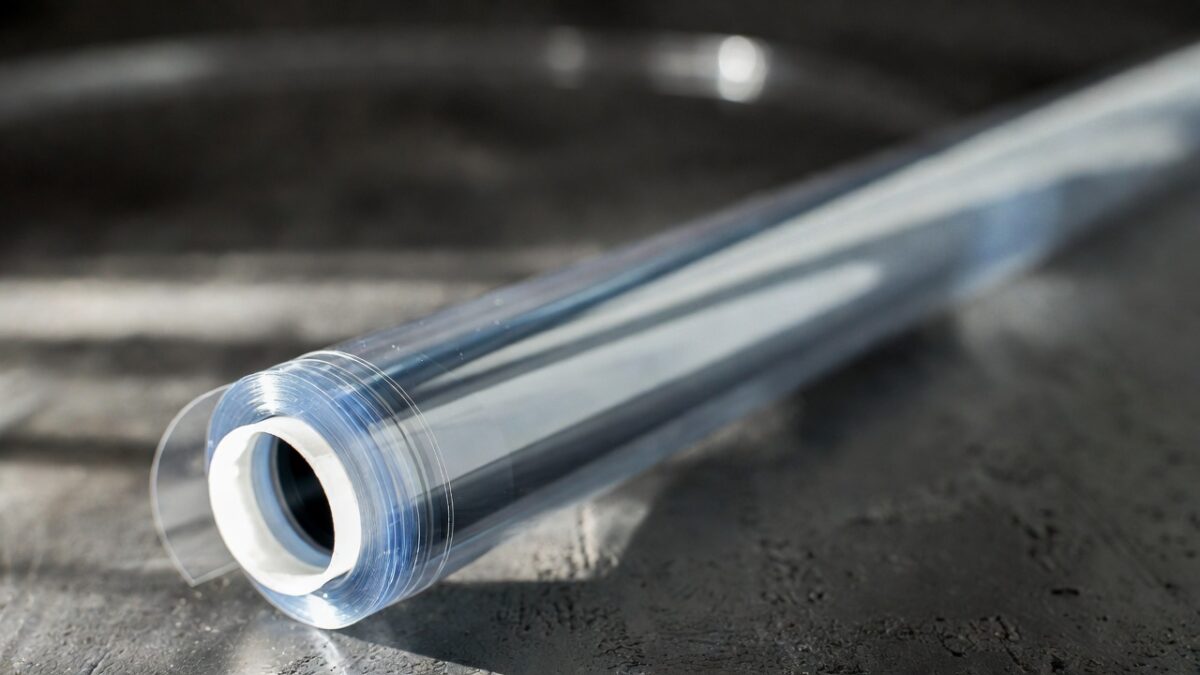
Window Insulation Film Roll

Before diving into creative uses, it’s important to understand what window insulation film is. Essentially, window insulation film is a thin, flexible sheet that you can apply directly to your windows. It acts as a barrier against the elements, helping to keep heat in during the winter and out during the summer. This makes it an excellent choice for boosting your home’s energy efficiency.

Benefits of Window Insulation Film

  1. Energy Efficiency: By reducing the amount of heat lost through your windows, insulation film can significantly lower your energy bills.
  2. UV Protection: Many window films block harmful UV rays, protecting your furniture and flooring from fading.
  3. Privacy: Tinted or frosted films can provide privacy without sacrificing natural light.
  4. Cost-Effective: Compared to replacing windows, insulation film is a much more affordable option.
  5. Easy Installation: Most films are easy to apply, making it a great DIY project.

Creative Applications in Interior Design

Now that we’ve covered the basics, let’s look at some creative ways you can use window insulation film to enhance your home’s interior design.

Decorative Patterns and Designs

Decorative Window Film Pattern

One of the most exciting aspects of window insulation film is its versatility in design. You can find films in a wide range of patterns and colors, from simple frosted designs to intricate stained glass effects. This allows you to add a decorative touch to any room without committing to more permanent changes.

Tip: Use decorative films to create a feature window in a living room or to add privacy and style to bathroom windows.

Enhancing Natural Light

Window film doesn’t just insulate; it can also be used to manipulate light. Reflective films can brighten up a room by bouncing light around, while tinted films can reduce glare in overly sunny spaces.

Tip: Apply a light-reflective film in dark hallways or rooms that don’t get much natural light to make them feel more open and airy.

Seasonal Adjustments

During the colder months, you might want to focus on maximizing warmth. In the summer, you might prioritize cooling. Some window films are designed to be easily removable, allowing you to switch them out based on the season.

Tip: Consider using a removable film that can be swapped out with a more suitable option as the seasons change.

Installation Tips for Window Insulation Film

Installing Window Film

by ihor (https://unsplash.com/@ishlpnk)

Installing window insulation film is a straightforward process, but a few tips can help ensure a smooth application.

  1. Clean the Window: Before applying the film, make sure your windows are thoroughly cleaned and free of dust and debris.
  2. Measure and Cut: Measure your windows and cut the film to size, leaving a small margin for adjustments.
  3. Apply with Care: Use a squeegee to smooth out the film and remove any air bubbles.
  4. Trim Excess: Once the film is applied, trim any excess for a clean finish.

Common Mistakes to Avoid

  • Skipping the Cleaning Step: Any dirt on the window will create bubbles and affect the film’s adhesion.
  • Improper Sizing: Be sure to measure carefully to avoid cutting the film too small.
  • Ignoring Manufacturer Instructions: Different films may have specific installation requirements, so always refer to the instructions provided.

Maintenance and Longevity

Once installed, window insulation film requires minimal maintenance. To ensure longevity, clean your windows with a soft cloth and mild detergent. Avoid abrasive cleaners, as they can scratch the film.

Tip: Regularly inspect the edges of the film for peeling or lifting, and reapply as needed to maintain optimal performance.

Eco-Friendly Considerations

Window insulation film not only saves energy but also contributes to a greener home. By reducing your reliance on heating and cooling systems, you decrease your carbon footprint. Furthermore, many films are made from recyclable materials, making them a sustainable choice.

Tip: Look for films that are marketed as eco-friendly or have certifications for sustainable practices.

Conclusion

Window insulation film is a versatile tool that offers both functional and aesthetic benefits. Whether you’re looking to cut down on energy costs, protect your interiors, or add a decorative touch to your home, window insulation film presents an array of possibilities. With a bit of creativity, you can transform your living spaces into comfortable, stylish, and eco-friendly environments.

Remember, the key to successful window film installation lies in careful preparation and application. By following the tips outlined in this article, you’ll be well on your way to reaping the many rewards of this innovative home improvement solution.