Categories
Window Film and Tints

How UV Window Films Protect Interiors from Fading

In the quest to maintain the beauty and longevity of your interiors, UV window films emerge as a remarkable solution. These films not only add an aesthetic appeal to your windows but also serve as a shield against the harmful effects of ultraviolet (UV) rays. In this article, we’ll dive into the world of UV window films, exploring their benefits, applications, and how they can protect your interiors from fading.

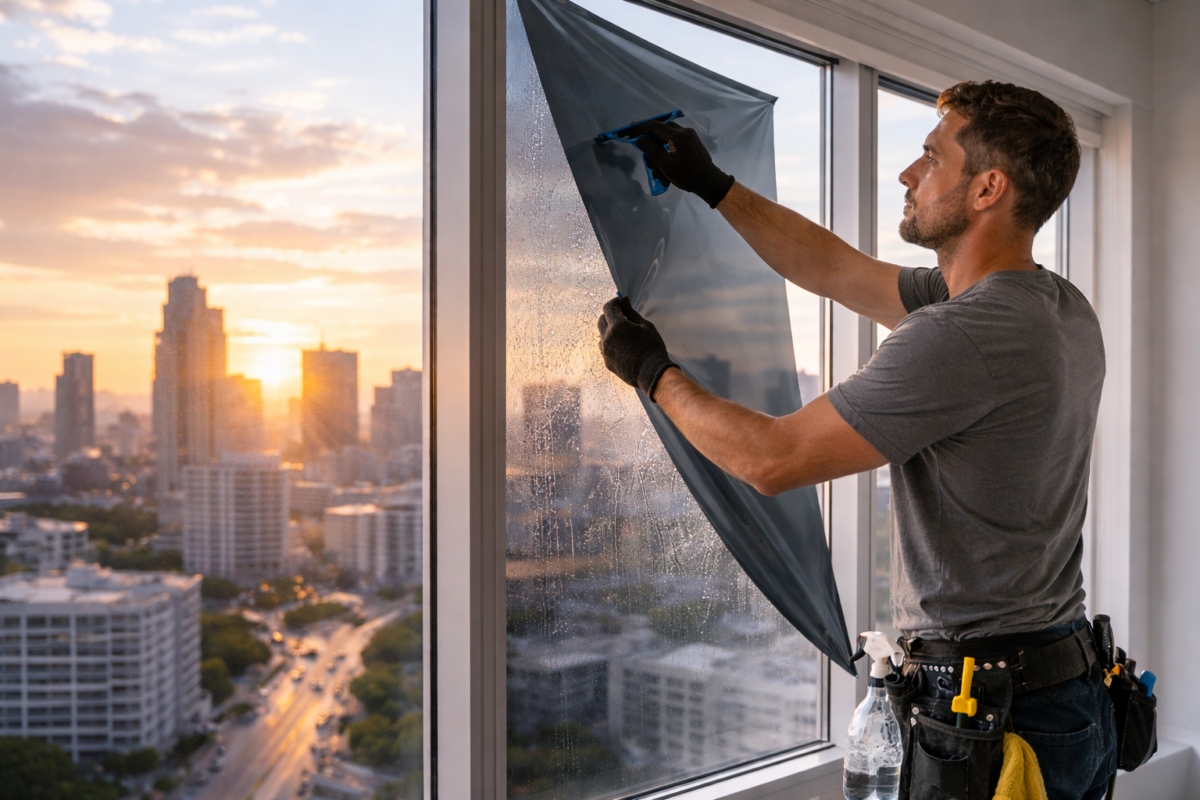
UV window film application

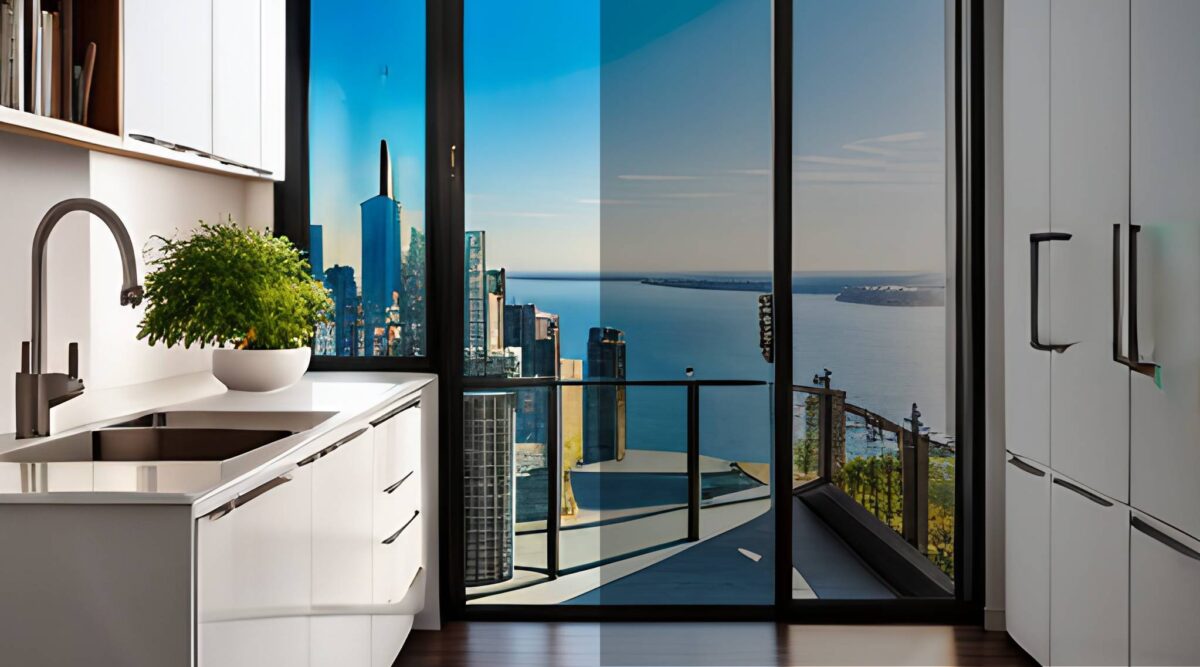
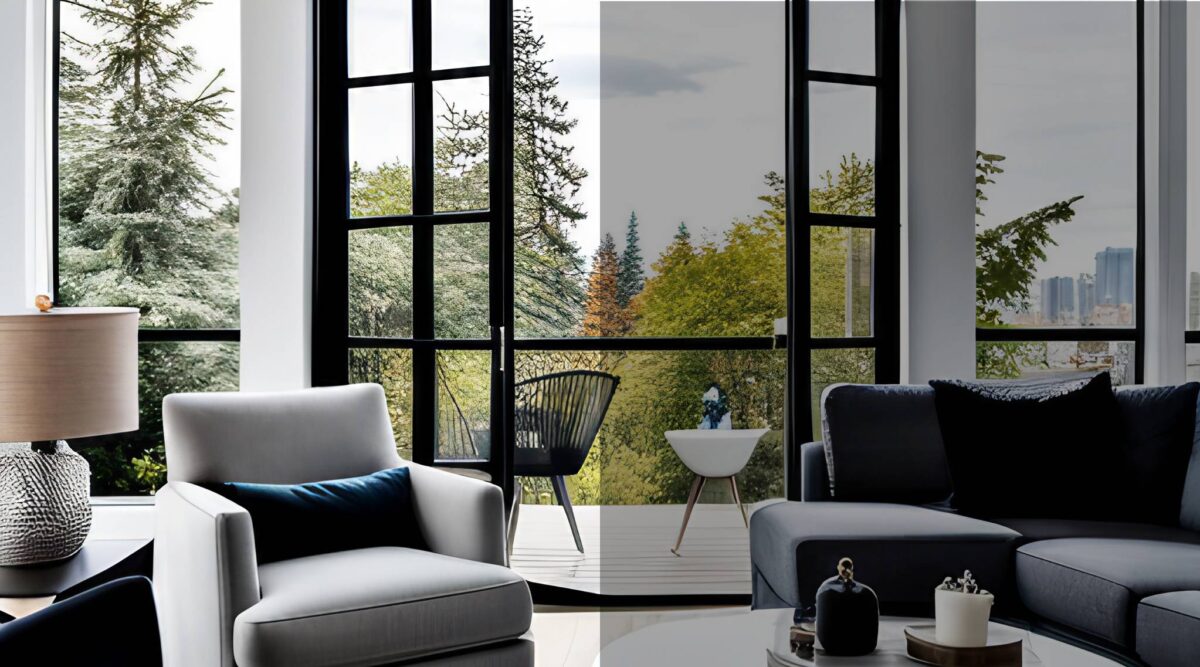
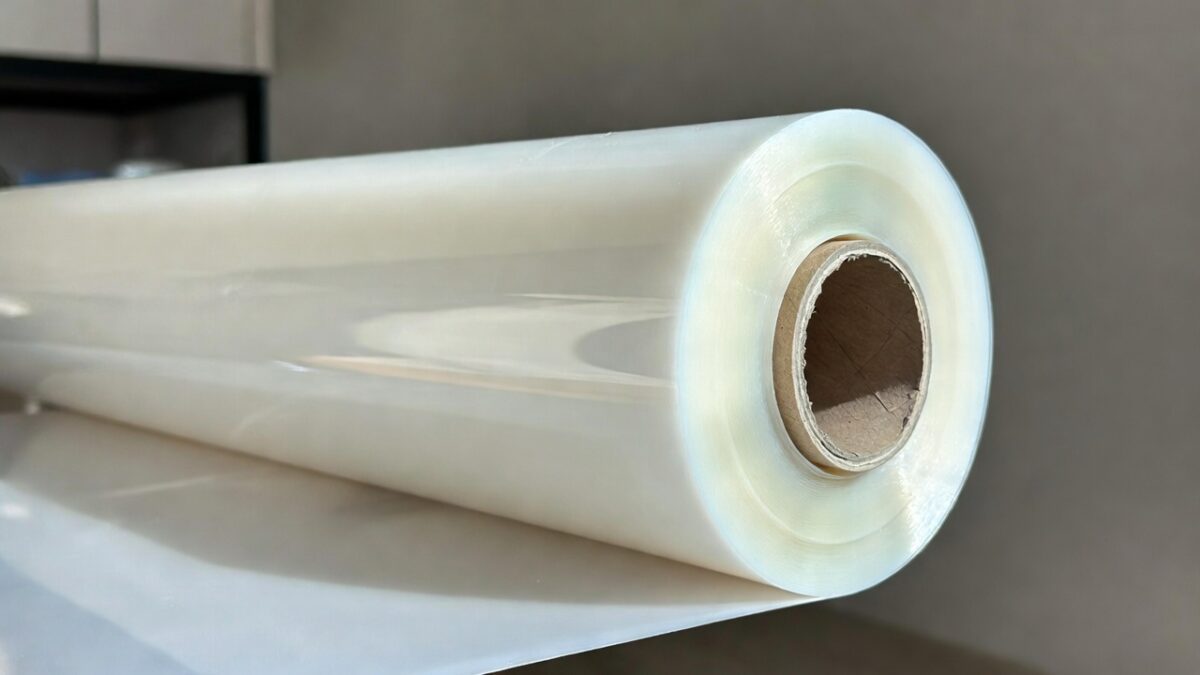
UV window films are thin layers of polyester laminate applied to the interior surface of windows. They are engineered to block a significant portion of UV rays while still allowing visible light to pass through. This unique property makes them an ideal choice for both residential and commercial settings.

The Science Behind UV Window Films

UV window films work by using a combination of materials that absorb and reflect UV radiation. Typically, these films can block up to 99% of UV rays, which are primarily responsible for the fading and deterioration of interior furnishings. The films also offer varying levels of tinting, which can reduce glare and enhance privacy.

Types of UV Window Films

  1. Dyed Films: These are the most basic type of UV films. They use a layer of dye to absorb solar heat and UV radiation. They are effective in reducing glare but may not offer the highest level of UV protection.
  2. Metalized Films: These films contain layers of metal that reflect heat and UV rays. They are more effective than dyed films in terms of heat rejection and UV protection.
  3. Ceramic Films: The latest in window film technology, ceramic films use nano-ceramic particles to block UV rays. They offer superior UV protection without interfering with visibility or electronic signals.

Benefits of UV Window Films

Protection Against Fading

One of the primary reasons homeowners and businesses invest in UV window films is to protect interiors from fading. UV rays can cause significant damage to furniture, flooring, and artwork. By blocking these rays, window films help maintain the vibrancy and integrity of your interiors.

Energy Efficiency

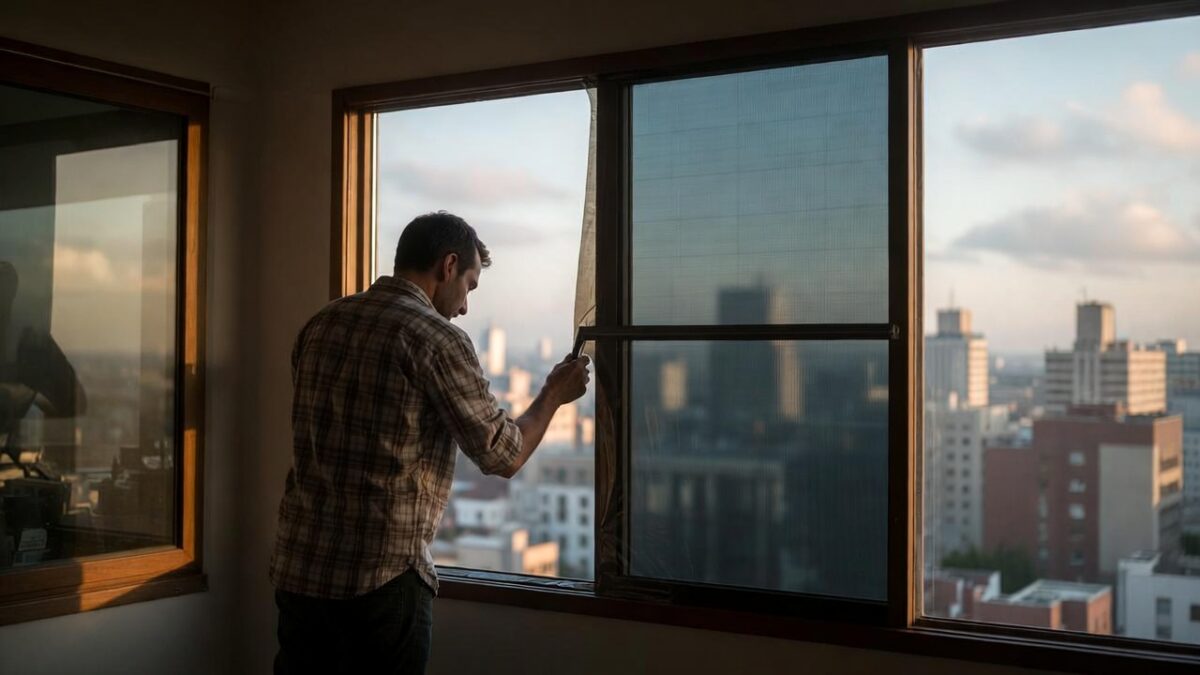
Energy-efficient window film

UV window films can also contribute to energy savings. By reducing the amount of heat entering through windows, these films can help maintain a consistent indoor temperature, reducing the need for air conditioning. This can lead to lower energy bills and a reduced carbon footprint.

Enhanced Comfort

With UV window films, you can enjoy a more comfortable living or working environment. The films reduce glare from sunlight, making it easier to watch TV or work on a computer. They also help regulate indoor temperatures, ensuring a pleasant atmosphere all year round.

Increased Privacy and Security

Certain types of UV window films offer enhanced privacy by making it difficult for people outside to see inside during the day. Additionally, the films add an extra layer of security by holding glass fragments together in the event of a breakage, reducing the risk of injury from shattered glass.

Applications of UV Window Films

Residential Use

For homeowners, UV window films provide a practical solution to protect furnishings and enhance comfort. They are suitable for various areas, including living rooms, bedrooms, and sunrooms. The films can be customized to match the interior design, complementing the aesthetic appeal of your home.

Commercial Use

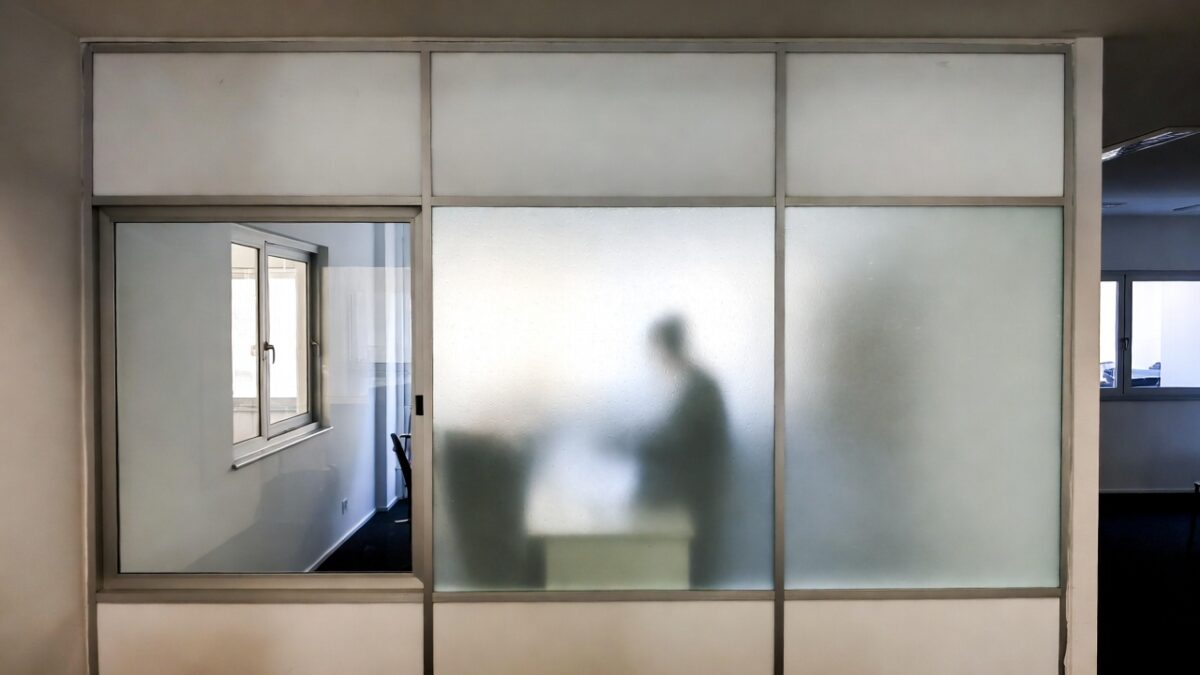
Commercial window tinting application

by Pat Blanche (https://unsplash.com/@patblanche)

In commercial settings, UV window films are invaluable for protecting office interiors and maintaining a professional appearance. They can be used in office buildings, retail spaces, and restaurants to reduce glare, improve energy efficiency, and protect merchandise from fading.

Specialty Applications

UV window films are also used in specialty applications such as museums and galleries, where protecting valuable artworks from UV damage is crucial. These films ensure that exhibits remain in pristine condition while allowing natural light to enhance the viewing experience.

How to Choose the Right UV Window Film

When selecting UV window films, consider the following factors:

  1. UV Protection Level: Ensure the film you choose blocks at least 99% of UV rays to provide maximum protection against fading.
  2. Tint Level: Decide on the level of tint based on your privacy needs and the amount of natural light you want to maintain.
  3. Glare Reduction: If glare is a concern, opt for films that offer superior glare reduction without compromising visibility.
  4. Energy Efficiency: Look for films with high heat rejection rates to maximize energy savings.
  5. Aesthetic Appeal: Choose a film that complements your interior design and enhances the overall look of your space.

Installation and Maintenance

Professional Installation

While DIY installation kits are available, professional installation is recommended for the best results. Trained installers ensure that the film is applied smoothly and without bubbles, providing a flawless finish. They also have access to a wider range of high-quality films that may not be available to consumers.

Maintenance Tips

Once installed, UV window films require minimal maintenance. Simply clean the film with a mild soap and water solution using a soft cloth or sponge. Avoid using abrasive materials or ammonia-based cleaners, as they can damage the film.

Conclusion

UV window films offer a cost-effective and efficient solution to protect interiors from fading while enhancing comfort and energy efficiency. Whether for residential or commercial use, these films provide numerous benefits that make them a worthwhile investment. By choosing the right film and ensuring professional installation, you can enjoy the lasting benefits of UV protection and improved quality of life.

Incorporating UV window films into your home improvement strategy not only preserves the beauty of your interiors but also supports a more sustainable and energy-efficient lifestyle. Make the smart choice today and safeguard your space with UV window films.
Categories
Window Film and Tints

Window Films for Toronto Businesses: How Window Films Lower Heat and Energy Use in Commercial Spaces

Window films are one of the most searched building upgrades for commercial properties in Toronto and the GTA. Business owners type in “window films” when offices feel too hot, when glare hits computer screens, and when air conditioning costs climb every summer.

In Toronto, window films are used by offices, clinics, retail stores, gyms, and shared workspaces to control heat and reduce energy use without changing the windows themselves. This article explains what window films are, how they work in real buildings, and why so many local businesses rely on them during hot months.

The examples here come from real projects across downtown Toronto, North York, Scarborough, Etobicoke, Vaughan, and Mississauga.

What Window Films Are and Why Commercial Buildings Use Them

Window films are thin layers placed directly on existing glass. Some are clear. Some are lightly tinted. Some reflect a small amount of sunlight. In commercial spaces, window films are chosen for performance, not style.

Glass allows sunlight in, but it also brings heat. Sunlight carries infrared heat and UV rays. Once that energy passes through untreated glass, it stays inside the room. Curtains and blinds do not stop heat. They only block light after the heat is already inside.

Heat control window films work at the glass surface. They reflect and absorb solar energy before it enters the space. This keeps rooms cooler and helps air conditioning systems work less.

Commercial buildings use window films to fix common issues:

  • Hot desks near windows
  • Uneven temperatures in the same room
  • AC systems running non stop
  • Rising summer energy bills
  • Glare on screens and displays

Window films solve these problems without removing windows or closing the business.

If you want a simple explanation of how films work across different uses, this guide breaks it down: introduction to window films .

How Window Films Reduce Heat and Energy Use in Toronto

The heat issue follows the same pattern.

Sun hits the glass. Heat builds up. The AC turns on.

Window films interrupt that pattern.

Heat control window films reduce energy use in three simple ways:

  1. They reflect infrared heat away from the glass
  2. They absorb some heat within the film layer
  3. They block UV rays that add heat and fade interiors

When less heat enters the building, cooling systems cycle less often. This lowers energy use and wear on HVAC equipment.

A shared office near Front Street had west-facing windows that overheated work areas by early afternoon. Staff avoided those desks daily. After window films were installed, those seats filled back up and AC run times dropped.

Another example came from a small fitness studio in North York. Afternoon sun made workout areas uncomfortable in summer. Window films lowered indoor heat while keeping natural light, and class complaints dropped.

This is why window films work well in Toronto. Summers are short but intense. Even small heat reductions help a lot.

Window Films Compared to Blinds, Curtains, and Window Replacement

Most commercial spaces try quick fixes first.

Blinds. Shades. Curtains.

They reduce glare but do not stop heat. The heat already passed through the glass.

Window replacement can work, but it is costly and disruptive. In the GTA, replacement often means permits, noise, and downtime.

Window films sit between these two options.

They install on existing glass. No construction. No shutdowns. No tenant disruption.

This comparison explains why films are often chosen: benefits of choosing window films over replacements .

  • Blinds: low cost, no heat control
  • New windows: high cost, long timelines
  • Window films: mid cost, fast results

Where Window Films Work Best in Toronto Commercial Spaces

Window films deliver the biggest gains where sun exposure is strong.

  • South-facing office windows
  • West-facing storefronts
  • Corner units with glass on two sides
  • High-rise towers downtown
  • Buildings close to Lake Ontario

A meeting room near Union Station had glare so strong that screens were unreadable after noon. After window films were installed, meetings moved back into the room.

In Scarborough, a walk-in clinic added window films to exam rooms. Patients stayed cooler during heat waves and staff stopped adjusting thermostats every hour.

More ways to manage solar heat can be found here: heat blocking window films for year round comfort .

Comfort, UV Protection, and Long-Term Value of Window Films

Energy savings matter, but comfort is what people notice daily.

Heat through glass causes glare, fatigue, and uneven rooms. Window films help balance indoor temperatures while keeping daylight.

  • Lower energy bills
  • Less glare on screens
  • Longer HVAC system life
  • Fewer maintenance calls
  • More comfortable spaces

Window films also block UV rays. Floors, furniture, signs, and displays last longer. Retail spaces fade less. Offices show less wear.

Natural Resources Canada explains how windows affect energy use: Natural Resources Canada building energy efficiency .

Why Professional Installation Matters for Window Films

Window films only perform well when installed right.

Toronto buildings deal with big temperature swings. Poor installs lead to bubbling, peeling, and edge failure.

Professional installers understand local glass types, humidity, and curing times.

Before installing window films, this guide helps avoid mistakes: key considerations when installing window films .

Many failed installs we repair were done cheap the first time. Corners lifted after one winter. Adhesive failed. Film discoloured.

Choosing the Right Window Films for Energy Control

Not all window films look dark. Many modern films are nearly invisible from inside.

The right film depends on window direction, glass type, and how much light you want to keep.

This guide helps narrow choices: best window tint film for energy efficiency .

Window Films and Toronto’s Seasonal Climate

Toronto summers are hot and humid. Winters are bright and cold. Glass-heavy buildings struggle in both seasons.

Window films reduce heat gain in summer and help limit heat loss through glass in colder months. This keeps buildings usable all year.

The U.S. Department of Energy explains how solar heat moves through windows: energy efficient window coverings overview .

When Window Films Make Sense for Commercial Properties

Window films make sense if your building has large glass areas, rising cooling costs, or frequent comfort complaints.

Even newer buildings benefit because cooling systems work less.

Property managers choose window films because installs are fast and approvals are simple.

Final Thoughts on Window Films for Toronto Businesses

Window films are one of the easiest upgrades for improving comfort and reducing energy use in Toronto commercial buildings.

They work with existing glass. They show results fast. They fix problems people feel every day.

If your building heats up near windows or your AC runs all summer, window films are worth serious attention.

They do not change how your building looks. They change how it works.

Categories
Window Film and Tints

Can Security Window Films Prevent Forced Entry

# Can Security Window Films Prevent Forced Entry

When it comes to securing your home, one of the most vulnerable points is your windows. But what if there was a way to fortify them without resorting to unsightly bars or expensive glass replacements? Enter security window films—a cost-effective, aesthetically pleasing solution that not only enhances the safety of your home but also maintains its visual appeal.

Security window film on a house window

What Are Security Window Films?

Security window films are specialized polyester films applied to the interior surface of glass windows. They are designed to hold the glass together in the event of an impact, preventing it from shattering and making it more difficult for intruders to gain entry.

How Do They Work?

The primary function of security window films is to absorb and distribute the force of an impact across the surface of the film. This minimizes the risk of the glass breaking into sharp, dangerous shards. Instead, the glass cracks but remains intact due to the film’s adhesive strength.

Demonstration of security film holding shattered glass

Benefits of Security Window Films

Installing security window films on your home’s windows offers a host of benefits beyond just security. Here’s what makes them a worthwhile investment.

Enhanced Security

The most obvious advantage is improved security. Security films make it significantly harder for burglars to break through windows. The film keeps the glass in place, frustrating attempts to quickly enter your home. This added layer of protection can deter potential intruders who prefer quick and easy targets.

Aesthetic Appeal

Unlike traditional security measures like bars or grills, security window films are virtually invisible. They do not obstruct views or alter the appearance of your windows, making them an ideal solution for maintaining your home’s aesthetics.

UV Protection

Another benefit is UV protection. Many security films also block harmful ultraviolet rays, helping to protect your interior furnishings and reducing the risk of sun damage. This can be especially valuable for maintaining the appearance of furniture, flooring, and artwork.

Energy Efficiency

Security films can also contribute to energy efficiency by reducing heat gain in the summer and heat loss in the winter. This can help lower your energy bills and create a more comfortable living environment.

Safety During Storms

In areas prone to hurricanes or severe storms, security films can provide an extra layer of protection against flying debris. The film helps keep broken glass in place, reducing the risk of injury from flying shards.

Installation Process

The installation of security window films is a straightforward process, but it requires precision and expertise to ensure maximum effectiveness.

Professional Installation

For optimal results, it is recommended to hire a professional installer who is experienced in security film installation. A skilled professional will ensure that the film is applied smoothly, without bubbles or creases, and that it adheres properly to the glass surface.

DIY Installation

While DIY kits are available, self-installation can be challenging due to the need for precision in cutting and applying the film. Any mistakes can compromise the film’s effectiveness, so it’s crucial to follow instructions carefully if you choose this route.

Professional installing security window film

by Max Böhme (https://unsplash.com/@max_boehme)

How Effective Are Security Window Films?

Security window films are highly effective in enhancing the security of your home. However, it is important to note that they are not entirely foolproof. Given enough time and effort, a determined intruder could potentially breach even a filmed window. Nevertheless, the delay and difficulty caused by the film can be enough to deter most burglars.

Real-World Scenarios

In real-world scenarios, security films have been shown to significantly reduce the risk of successful break-ins. Their effectiveness has made them a popular choice for both residential and commercial properties looking to enhance security without sacrificing aesthetics.

Choosing the Right Film for Your Needs

When selecting a security window film, consider factors such as the level of protection desired, your budget, and any additional features like UV protection or energy efficiency.

Thickness and Strength

Security films come in various thicknesses, typically ranging from 4 to 15 mils (1 mil = 0.001 inches). Thicker films offer greater protection but may also be more expensive. Assess your security needs and choose a film that offers the right balance of strength and cost.

Additional Features

Some films offer additional features such as tinting for privacy or glare reduction, while others focus solely on security. Determine which features are most important to you and select a film that meets those needs.

Conclusion: A Smart Investment

Incorporating security window films into your home improvement plan is a smart investment for enhancing security while preserving aesthetic appeal. These films offer a practical, cost-effective solution for protecting your home against forced entry, UV rays, and energy inefficiency.

By choosing the right film and ensuring proper installation, you can enjoy peace of mind knowing that your windows are fortified against potential threats while continuing to complement the style and comfort of your living space.

Security window films are not just about safety; they’re about enhancing the quality of life in your home. Consider them as part of your next home improvement project and experience the benefits firsthand.

Categories
Window Film and Tints

What to Expect from Heat Reflective Window Film

When it comes to improving the energy efficiency of your home while maintaining its aesthetic appeal, heat reflective window film is an innovative solution worth considering. This modern home improvement option not only reduces heat gain during the summer but also enhances privacy and offers a sleek, finished look to your windows.

In this article, we’ll delve into what heat reflective window film is, how it works, its benefits, and what you can expect from its installation in your home.

modern_window_film_design

What is Heat Reflective Window Film?

Heat reflective window film is a thin, multi-layered polyester material applied to the surface of glass windows. It’s designed to reflect a significant portion of the sun’s heat and ultraviolet (UV) rays, reducing the amount of heat entering your home. This film acts as a barrier that helps in maintaining a comfortable indoor temperature without compromising on natural light.

How Does It Work?

The science behind heat reflective window film is relatively straightforward. The film is coated with a reflective material, usually metal or a metallic-like substance, which reflects incoming solar radiation. By bouncing off the sun’s rays, the film reduces the amount of heat that penetrates through the windows. This leads to a cooler indoor environment and can significantly lower energy costs associated with air conditioning.

Benefits of Heat Reflective Window Film

energy_saving_window_film

Enhanced Energy Efficiency

One of the primary benefits of installing heat reflective window film is the increased energy efficiency it provides. By reducing heat gain, your reliance on air conditioning systems decreases, which can lead to substantial savings on energy bills. This makes it not only an environmentally friendly option but also a cost-effective one.

Improved Comfort

With heat reflective window film, you’ll notice a more consistent indoor temperature, which translates to improved comfort for you and your family. The film helps in minimizing hot spots and keeps rooms cooler during the intense summer months, ensuring a comfortable living space throughout the day.

UV Protection

Prolonged exposure to UV rays can cause fading and damage to your furniture, flooring, and other interior elements. Heat reflective window film blocks up to 99% of harmful UV rays, protecting your home’s interiors and preserving their appearance and longevity.

Enhanced Privacy

Privacy window films are also available in heat reflective options, offering an additional layer of discretion to your living spaces. These films allow you to enjoy natural light without having to worry about prying eyes, making them an ideal choice for street-facing windows or homes in close proximity to neighbors.

Aesthetic Appeal

Heat reflective films come in various shades and finishes, allowing you to choose an option that complements your home’s architectural style. Whether you prefer a mirrored look or a more subtle tint, there’s a film that will enhance your windows’ appearance while delivering functional benefits.

What to Expect During Installation

window_film_installation_process

by ihor (https://unsplash.com/@ishlpnk)

Professional Assessment

Before installation, a professional will assess your windows to determine the best type of film for your needs. Factors such as window size, orientation, and existing window treatments will be taken into account. This ensures that the chosen film provides maximum benefits tailored to your specific requirements.

Installation Process

The installation of heat reflective window film is a straightforward process, typically completed in a few hours depending on the size and number of windows. The film is carefully measured and cut to fit each window precisely. It’s then applied using a specialized adhesive, ensuring a smooth, bubble-free finish.

Post-Installation Care

After installation, it’s essential to allow the film to cure properly, which can take several days. During this time, avoid cleaning the windows to ensure the adhesive sets correctly. Once cured, maintain your windows by using soft cloths and non-abrasive cleaners to keep the film looking its best.

Choosing the Right Heat Reflective Window Film

Consider Your Needs

When selecting a heat reflective window film, consider what you hope to achieve. Are you looking for maximum heat reduction, enhanced privacy, or a specific aesthetic? Understanding your priorities will help in choosing the right product for your home.

Quality Matters

Investing in a high-quality window film is crucial for longevity and performance. Look for films from reputable manufacturers that offer warranties and have a proven track record of durability and effectiveness.

Consult with Experts

Consulting with a professional installer can provide valuable insights into the best options available. They can offer recommendations based on their experience and help you select a film that meets your needs and budget.

Conclusion

Heat reflective window film is an excellent choice for homeowners looking to improve energy efficiency, enhance privacy, and protect their interiors from UV damage. With a variety of styles and finishes available, it’s easy to find a film that suits your home’s aesthetic while delivering practical benefits.

By understanding what to expect from heat reflective window film and choosing the right product and installation professional, you can enjoy a cooler, more comfortable, and stylish living space year-round. Whether you’re an interior designer seeking eco-friendly solutions or a homeowner aiming to reduce energy costs, heat reflective window film is a smart investment in your home’s future.

Categories
Window Film and Tints

How Window Films Help Toronto Homes Save Energy and Stay Comfortable

Window films are one of the most searched home upgrades in Toronto and the GTA, and the reason is pretty simple. Homes here deal with strong sun in summer, cold glass in winter, and big swings in energy bills all year. People keep asking the same things online. Why is one room always hotter. Why does cold air sit near the window. Why does the AC or furnace never seem to stop.

Window films come up because they solve those problems without tearing anything out. No new frames. No noisy work. Just a thin layer added to the glass you already have. This guide explains how window films work in real Toronto homes, how they affect energy use, and what homeowners actually notice after install. No fluff. No sales talk. Just useful info.

If you want a basic overview before going deeper, this page explains the fundamentals clearly: Introduction to window films.

What Are Window Films and Why Do Toronto Homes Use Them?

Window films are thin layers installed on the inside surface of windows. Once installed, the glass behaves differently with heat and light. The window stays in place. The frame stays untouched. Only the performance changes.

In many Toronto homes, windows are the biggest source of energy loss. Sun heats rooms fast in summer. Heat escapes through glass in winter. Window films help slow both of those problems.

In simple terms, window films do a few key things:

  • Reflect part of solar heat before it enters the room
  • Reduce glare on TVs and screens
  • Block UV rays that fade floors and furniture
  • Reduce the cold glass feeling during winter

This is why window films show up in living rooms, bedrooms, home offices, and condos with large glass walls. You still get daylight. You just lose the uncomfortable parts.

Many homeowners worry that window films will make rooms dark. That’s not always true. Some films are nearly clear. Others add light shading. A west-facing window in Etobicoke needs a different film than a shaded north-facing window in Markham. Film choice matters a lot.

How Window Films Reduce Energy Waste in the GTA Climate

Toronto weather is tough on houses. Summers bring heat waves and long sun exposure. Winters bring cold air and long heating seasons. Spring and fall bring low sun angles that blast straight through west-facing glass.

Window films help manage all of this.

In summer, solar heat gain is the main issue. Sun-facing windows act like heaters. Rooms warm up fast. AC systems work harder to catch up. Window films reduce how much heat passes through the glass, so rooms stay closer to the set temperature.

In winter, the problem flips. Glass gets cold. Air near the window cools down. That creates cold zones near couches and desks. Window films slow heat loss through the glass, which helps rooms feel more even.

Energy savings also come from habit changes. When rooms stop overheating or freezing, people stop opening and closing blinds all day. They stop changing the thermostat over and over. That cuts wasted energy without extra effort.

If summer heat is the main issue in your home, this article goes deeper into options that focus on that problem: heat blocking window films.

For neutral, Canada-based info on how windows affect home energy use, Natural Resources Canada explains it clearly here: Natural Resources Canada energy efficiency.

What Homeowners Usually Notice After Installing Window Films

Across Toronto, North York, Scarborough, Vaughan, Markham, and Mississauga, homeowners report very similar changes after installing window films.

  • Less AC use during peak summer days
  • Fewer hot and cold rooms
  • Reduced glare on screens
  • Better comfort near large windows
  • More stable monthly energy bills

Window films also block UV rays. UV damage happens slowly but costs a lot to fix later. Floors fade. Furniture breaks down. Blocking UV helps protect what you already paid for.

Real Toronto Examples of Window Films and Energy Savings

Every home is different, but patterns repeat across the GTA.

North York detached home
Large south-facing windows made the living room uncomfortable every summer. After window films were installed, the room stayed cooler during the afternoon. The AC did not run as long each cycle. The space felt usable again.

Downtown condo near King West
Floor-to-ceiling glass caused glare and heat buildup. The owner worked from home and kept blinds closed most days. Window films reduced glare and balanced the room temperature. Blinds stayed open more often. AC ran less.

Scarborough bungalow
Cold window zones made the front room uncomfortable in winter. After window films were installed, the cold glass effect dropped. Seating near the windows felt normal again.

New example: Milton townhome with open kitchen
Late afternoon sun overheated the main floor and kitchen. Window films reduced heat gain while keeping the space bright. Fans were used less often.

New example: Downtown Toronto retail storefront
A small shop with large front windows overheated during summer afternoons. Window films helped control heat so the space stayed comfortable for staff and customers without pushing the AC nonstop.

Most homeowners notice comfort changes first. Energy savings follow because heating and cooling systems stop working so hard.

Window Films vs Window Replacement for Energy Savings

Many homeowners compare window films with full window replacement. Replacement works, but it costs a lot and takes time.

Window films work with what you already have. If frames and seals are still solid, films can improve performance without major disruption.

In Toronto, many homeowners install window films first and delay replacement for years. Some never replace at all.

This comparison explains the difference clearly: window films vs window replacements.

Why Professional Installation Matters for Window Films

Window films only work well when installed properly. Installation quality affects how long the film lasts and how it looks.

A professional install includes:

  • Careful glass cleaning
  • Accurate measuring and cutting
  • Smooth application without bubbles
  • Clean edges that reduce peeling

DIY kits often fail because of dust, moisture, or poor trimming. That leads to bubbling and early failure. Professional-grade films and proper tools make a big difference.

If you are checking prices early, this guide explains cost factors clearly: window film installation cost.

For broader home energy guidance, Canada Mortgage and Housing Corporation shares useful info here: CMHC home energy guidance.

Are Window Films Worth It for Energy Savings in Toronto?

If your home has hot rooms in summer, cold spots in winter, glare problems, or rising energy bills, window films are worth a real look.

They install fast. They work with existing windows. They improve comfort right away. In a climate like Toronto’s, better comfort usually means less wasted energy.

Window films are now common across Toronto, North York, Etobicoke, Scarborough, Vaughan, Markham, Mississauga, Brampton, and nearby areas. Homeowners choose them because they solve real problems without major renovation.

If you want to see if window films make sense for your home or business, talk to a local installer who works with GTA properties every week. A proper look at your windows can fix comfort issues that stick around for years.

Need help with window films?
Visit https://tintly.ca/ to learn more or book a no-pressure consultation.

Categories
Window Film and Tints

What Sets Apart Frosted Window Film

# What Sets Apart Frosted Window Film

When considering window treatments, frosted window film stands out as a versatile solution for privacy and style. Whether you are an interior designer looking for cost-effective options or a homeowner wanting to enhance your living space, frosted window film offers a unique blend of functionality and aesthetics.

Close-up of frosted window film applied to a home window

Frosted window film is a thin, adhesive layer that can be applied to the surface of glass windows. It is designed to obscure the view from both sides, offering privacy without sacrificing natural light. This makes it an ideal choice for areas where privacy is essential, such as bathrooms, offices, or street-facing windows.

Key Features of Frosted Window Film

  • Privacy Enhancement: One of the primary reasons homeowners and interior designers choose frosted window film is its ability to provide privacy. It allows light to pass through while preventing outsiders from seeing in, making it a perfect option for private spaces.
  • Aesthetic Appeal: Available in various designs, patterns, and opacities, frosted window film can complement any interior style. From subtle patterns to custom designs, it adds an artistic touch to windows.
  • Light Diffusion: The film diffuses light, reducing glare and creating a softer ambiance in the room. This feature is especially beneficial in rooms with high sun exposure.
  • Cost-Effective: Compared to etched or frosted glass, window film is a budget-friendly alternative that offers similar benefits at a fraction of the cost.

The Benefits of Privacy Window Film

Modern living room with frosted window film on large windows

Energy Efficiency

One often overlooked benefit of frosted window film is its energy-saving potential. By reflecting heat during summer and retaining warmth in winter, it can significantly reduce energy bills. This makes it an eco-friendly choice for those looking to improve their home’s energy efficiency.

Easy Installation and Maintenance

Frosted window film is easy to install and can be a DIY project for those who enjoy hands-on tasks. It requires minimal maintenance, with occasional cleaning to maintain its clarity and adhesion.

Versatility and Customization

The customization options with frosted window film are vast. You can select from various patterns or even create a custom design to suit your space. This versatility means it can be used in a variety of settings, from residential to commercial.

Why Choose Frosted Window Film Over Other Window Treatments?

Comparison with Blinds and Curtains

Unlike blinds or curtains, frosted window film doesn’t obstruct the view or block out natural light completely. It allows you to enjoy the outdoors while maintaining privacy, a balance that traditional window treatments often struggle to achieve.

Comparison with Tinted Window Film

While tinted films also provide some level of privacy, they typically darken the room. Frosted films, however, maintain brightness while offering privacy, making them a preferred choice for spaces where light is desired.

Applications of Frosted Window Film

Frosted window film used in a modern office setting

by DFY® 디에프와이 (https://unsplash.com/@dfy_seoul)

Residential Use

In homes, frosted window film is ideal for bathrooms, entryways, and bedrooms. It adds a layer of privacy without the need for heavy drapery, making spaces feel open and airy.

Commercial Use

For businesses, frosted film can be used in conference rooms, offices, and storefronts to create a professional yet stylish appearance. It can even be branded with company logos or slogans for a personalized touch.

Installation Process

Preparation and Tools

Before installing frosted window film, ensure the glass surface is clean and free from dust or debris. Essential tools include a utility knife, squeegee, spray bottle with soapy water, and a measuring tape.

Step-by-Step Guide

  1. Measure and Cut: Measure the window and cut the film to size, leaving a slight margin for adjustments.
  2. Apply Soapy Water: Spray the window with a light mist of soapy water to allow easy positioning of the film.
  3. Position the Film: Carefully align and place the film on the glass, starting from the top and working downwards.
  4. Smooth Out Air Bubbles: Use a squeegee to smooth out air bubbles and excess water, working from the center outwards.
  5. Trim Edges: Once the film is applied, trim any excess material from the edges for a clean finish.

Maintenance Tips

To maintain the appearance and longevity of the frosted film, clean it with a soft cloth and non-abrasive cleaner. Avoid using harsh chemicals that can damage the film.

Conclusion

Frosted window film is a standout choice for those seeking privacy, style, and energy efficiency in window treatments. Its versatility in design and ease of installation make it a practical solution for both residential and commercial spaces. As a trusted home improvement expert, I recommend considering frosted window film as a cost-effective and stylish alternative to traditional window coverings.

By choosing frosted window film, you can transform your windows into beautiful, functional elements that enhance your living or working environment. Whether you are updating your home or designing a new space, frosted window film sets a new standard in window treatment solutions.