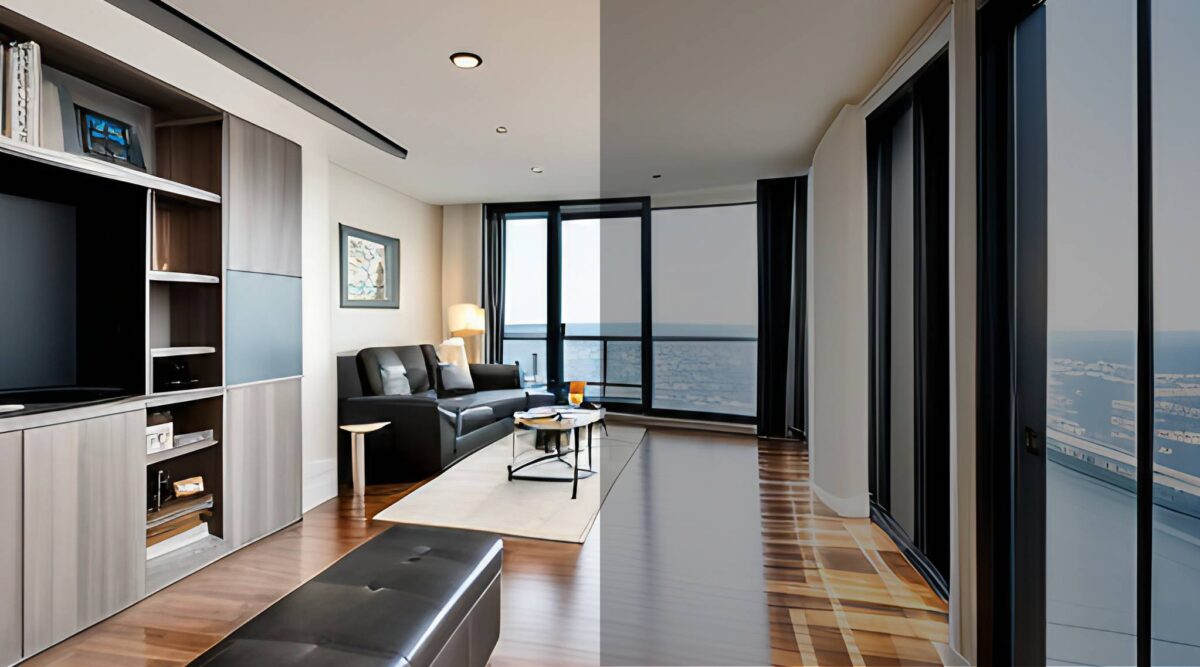
When it comes to improving the energy efficiency of a home, many homeowners and interior designers focus on insulation. Traditional insulation methods often include adding materials like fiberglass or spray foam within walls, roofs, and floors. However, an often-overlooked aspect of home insulation is the role windows play. Windows are a significant source of heat gain and loss, making them crucial to a home’s overall energy profile. Enter window films — a modern solution promising to enhance insulation performance. But do they really work? Let’s dive into the benefits, effectiveness, and real-world applications of window films in improving insulation.

Window films are thin layers of polyester or other materials applied to glass surfaces. These films are not just simple sheets of plastic; they are engineered to serve specific purposes. They come in various types, including solar control films, decorative films, and security films, each serving different purposes. Solar control films are specifically crafted to control heat transfer, which makes them essential in insulating applications. Decorative films add aesthetic value, while security films provide added strength to glass surfaces, preventing shattering.
How Do Window Films Work?
Window films work by reflecting, absorbing, or transmitting sunlight. The technology behind these films involves complex layers that manage light and heat flow. The solar control films are designed to reduce the amount of heat that passes through the window glass. They act as a barrier against the sun’s ultraviolet (UV) rays and infrared (IR) radiation, which are the primary culprits in heat gain and loss. The films are also capable of reducing glare, improving visual comfort indoors. By reflecting IR radiation, they help maintain a stable indoor temperature, which is crucial for energy efficiency.
The Insulation Benefits of Window Films
Reduced Heat Loss in Winter
During the winter months, window films can help keep your home warm. They reduce heat loss through the windows by reflecting the indoor heat back into the room. This means your heating system doesn’t have to work as hard, ultimately lowering your energy bills. Moreover, by minimizing heat escape, window films help maintain a consistent indoor temperature, reducing the need for frequent thermostat adjustments and enhancing overall comfort during chilly weather.
Minimized Heat Gain in Summer

In the summer, window films are equally effective. They prevent excessive heat from entering your home by reflecting a significant portion of the sun’s energy. This reduces the need for air conditioning, which can lead to substantial energy savings. Additionally, by blocking solar heat gain, window films help maintain cooler indoor environments, contributing to better air quality and reducing the strain on cooling systems. This not only saves energy but can also extend the lifespan of your HVAC system.
Enhanced Comfort and UV Protection
Beyond insulation, window films enhance comfort by reducing glare and blocking up to 99% of UV rays. UV rays can cause fading of interior furnishings and are harmful to skin, so window films provide an added layer of protection. This protection is particularly beneficial for homes with large windows or sunrooms where exposure to sunlight is high. By safeguarding your interiors and skin, window films contribute to creating a healthier and more comfortable living space.
Real-World Effectiveness and Reviews
Customer Testimonials and Reviews
Many homeowners who have installed window films report noticeable differences in temperature regulation and energy savings. For instance, a homeowner in Arizona noted a 30% reduction in cooling costs after installing window films. Similarly, a family in Minnesota appreciated the warmth retention during icy winters. These testimonials highlight the versatility of window films across different climates, emphasizing their role in enhancing residential energy efficiency irrespective of geographical location.
Expert Opinions
Industry experts agree that while window films may not replace traditional insulation, they significantly enhance the insulating performance of windows. They recommend combining window films with other energy-saving measures for optimal results. Experts also point out that window films are a cost-effective solution for improving home energy efficiency, especially when considering the high costs associated with replacing windows entirely. They often suggest using window films as part of a broader strategy to achieve a balanced and sustainable approach to home insulation.
Types of Window Films and Their Insulation Performance
Low-E Films
Low-emissivity (Low-E) films are popular for insulation purposes. They have a thin metallic coating that reflects heat, making them excellent for both summer and winter climates. These films are known for their ability to regulate indoor temperatures by reflecting interior heat during winter and rejecting solar heat during summer. The versatility of Low-E films makes them a preferred choice for homeowners looking to optimize their energy efficiency year-round.
Spectrally Selective Films
These films are designed to allow natural light while blocking out heat. They are ideal for those who want to maintain a bright, airy feel in their homes without compromising on insulation. Spectrally selective films are particularly beneficial in areas with high sunlight exposure, as they can significantly reduce cooling costs while preserving natural lighting. Their ability to filter out specific wavelengths of light makes them a sophisticated choice for modern homes.
Dual-Reflective Films

by Svetlana Rozhdestvenskaia (https://unsplash.com/@sweetspring)
Dual-reflective films are reflective on the outside, reducing heat gain, and less reflective on the inside to maintain clear views. They are perfect for residential settings where night-time visibility is important. These films balance privacy and visibility, allowing homeowners to enjoy exterior views without sacrificing indoor comfort. Their unique properties make them suitable for both urban and suburban settings, where privacy and aesthetics are equally valued.
Installation Considerations
Professional vs. DIY Installation
For best results, professional installation is recommended. Experts ensure that the films are applied correctly without bubbles or creases, maximizing their effectiveness. Professional installers have the tools and experience to handle complex window shapes and sizes, ensuring a perfect fit. However, for those who prefer a hands-on approach, there are DIY kits available with detailed instructions. DIY installation can be a cost-saving option, but it requires patience and precision to achieve professional-looking results.
Compatibility with Window Types
Most window films are compatible with standard glass, but it’s crucial to check compatibility with specialty glass types, such as laminated or tinted glass, to avoid any potential issues. Certain films may not adhere properly to textured or treated glass, which can affect their performance. Consulting with a professional can help determine the best type of film for your specific window needs, ensuring optimal function and longevity.
Cost-Effectiveness and Return on Investment
Initial Costs
The cost of window films can vary based on type and quality. While the initial investment may seem high, the energy savings over time make it a worthwhile investment. High-quality films may cost more upfront but tend to offer better performance and durability, leading to greater savings. It’s important to weigh the initial costs against the long-term benefits, considering factors such as energy savings, comfort, and UV protection.
Long-Term Savings
Homeowners often see a return on investment within a few years through reduced energy bills. Additionally, the extended lifespan of furnishings, thanks to UV protection, adds further value. The cumulative savings on energy bills, combined with the preservation of interior decor, make window films a financially sound choice for eco-conscious homeowners. Over time, these savings contribute to a lower environmental impact, aligning with sustainable living practices.
Conclusion: A Smart Choice for Modern Homes
Window films are an innovative solution for improving insulation performance, offering benefits such as energy savings, enhanced comfort, and UV protection. While they are not a replacement for traditional insulation methods, they complement them effectively, making them a smart choice for modern homes. For interior designers, window films offer a cost-effective way to enhance the energy efficiency and aesthetic appeal of residential spaces. By incorporating window films into design plans, they can provide clients with eco-friendly, stylish solutions that contribute to a sustainable and comfortable living environment.
In conclusion, window films do indeed improve insulation performance, making them a valuable addition to any home improvement project focused on energy efficiency. They offer a practical way to upgrade existing windows without the need for costly replacements, providing both immediate and long-term benefits. As more homeowners seek sustainable solutions, window films stand out as a versatile and effective option for enhancing home insulation.