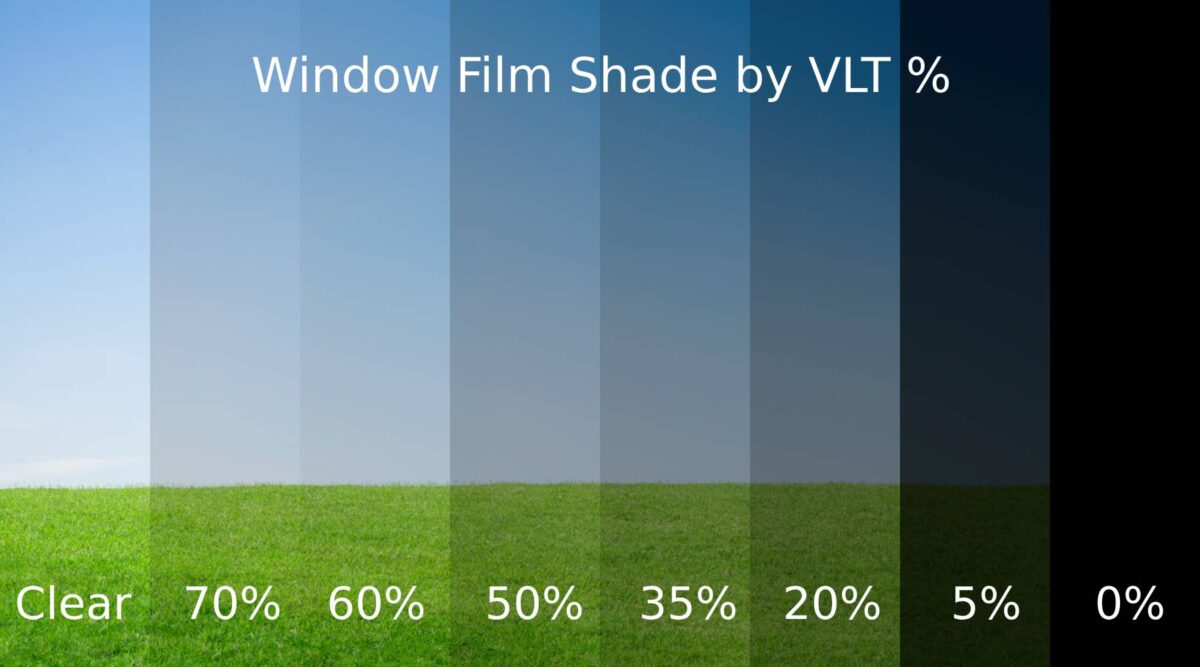
When it comes to enhancing both the aesthetics and functionality of your windows, choosing the right window tint can make all the difference. Whether you’re looking to improve the energy efficiency of your home or add a sleek look to your car, window tints provide a versatile solution. In this comprehensive guide, we’ll walk you through the key considerations for selecting the perfect window tint for your needs.

Window tinting involves applying a thin film to the inside surface of windows, which can serve various purposes, including reducing glare, blocking UV rays, and improving privacy. It’s a popular choice for both residential and automotive applications due to its numerous benefits. Let’s delve deeper into the intricacies of window tinting to better understand its applications and advantages.
The Science Behind Window Tinting
Window tinting is not merely about aesthetics; it’s a blend of art and science. The films used in tinting are engineered with layers that serve specific purposes. These layers can include adhesives, UV blockers, and scratch-resistant coatings. Understanding these components helps in appreciating the complexity and effectiveness of window tints.
The History and Evolution of Window Tinting
Window tinting has evolved significantly since its inception. Originally used for privacy and glare reduction in vehicles, technology advancements have expanded its applications. Today, tints are designed with advanced materials like ceramics and metals, improving energy efficiency and durability.
Common Myths About Window Tinting
There are several misconceptions about window tinting, such as it being illegal or only for aesthetic enhancement. Addressing these myths can help consumers make informed decisions. For instance, while some tints are restricted by law, many legal options offer substantial benefits without breaching regulations.
Types of Window Tints
Window tints come in various forms, each designed to meet specific needs. Understanding these types can guide you in making an informed decision based on your requirements and preferences.
Dyed Window Tint
- Composition and Appearance: Dyed window tints are created by placing a layer of dye between an adhesive and a top coating. This type of tint is primarily used for aesthetic purposes and is favored for its ability to reduce glare without significantly darkening the window.
- Advantages and Disadvantages: While dyed tints are cost-effective and offer a sleek look, they may not provide the best heat reduction. Over time, the dye can fade, affecting the appearance and performance.
- Ideal Use Cases: Dyed window tints are ideal for individuals seeking a balance between cost and aesthetic improvement. They work well in regions with moderate temperatures where heat rejection is not the primary concern.
Metalized Window Tint
- Composition and Functionality: Metalized tints incorporate tiny metallic particles that reflect heat and UV rays. This design makes them highly effective in reducing heat and glare, offering excellent durability.
- Impact on Electronics: One notable drawback is the potential interference with electronic devices, including GPS and mobile signals. It’s crucial to weigh this factor when considering metalized tints for vehicles.
- Durability and Maintenance: Metalized tints are known for their robustness, often lasting longer than dyed varieties. However, they require careful maintenance to avoid scratches that may affect their reflective properties.
Ceramic Window Tint
- Advanced Technology: Ceramic window tints represent a leap forward in tinting technology. They use ceramic particles to block heat and UV rays without affecting visibility or electronic signals.
- Benefits: These tints are renowned for their outstanding heat reduction and clarity, making them suitable for high-end vehicles and homes where performance is a priority.
- Cost Considerations: While ceramic tints offer superior benefits, they are typically more expensive. Investing in ceramic tints can be worthwhile for those who prioritize longevity and top-tier performance.
Hybrid Window Tint
- Combination of Technologies: Hybrid tints merge the benefits of dyed and metalized films, providing a balanced solution for consumers. They offer moderate heat rejection with a more neutral appearance.
- Versatility: The blend of technologies makes hybrid tints versatile, suitable for a wide range of applications, from residential to automotive.
- Cost and Effectiveness: Hybrid tints are generally more affordable than ceramic while offering better performance than dyed tints alone, making them a popular middle-ground choice.
Benefits of Window Tinting

Window tints offer a range of advantages that go beyond just visual appeal. Understanding these benefits can help you make an informed decision when considering window tinting for your space.
Energy Efficiency
- Reducing Energy Consumption: Window tints can significantly reduce energy consumption by keeping interiors cooler in the summer and warmer in the winter. This is particularly beneficial for homeowners looking to lower their energy bills.
- Impact on HVAC Systems: By reducing the heat entering a space, window tints lessen the strain on HVAC systems, potentially extending their lifespan and reducing maintenance costs.
- Long-term Savings: Though the initial investment in window tinting may seem high, the long-term savings on energy bills can offset these costs, making it a financially savvy decision.
UV Protection
- Health Benefits: Window films can block up to 99% of harmful UV rays, protecting your skin from potential damage and reducing the risk of skin cancer for occupants.
- Preservation of Interior Furnishings: Tints protect your interiors by preventing the fading of furniture, carpets, and curtains, preserving their color and extending their lifespan.
- Environmental Impact: By reducing the need for air conditioning and artificial lighting, window tints contribute to a smaller carbon footprint, promoting a more sustainable lifestyle.
Privacy and Security
- Enhanced Privacy: Tinted windows provide an added layer of privacy by limiting the view into your home or car from the outside, creating a more comfortable living or driving environment.
- Security Benefits: Certain types of window films can strengthen glass, making it more resistant to shattering. This can deter break-ins and provide additional safety during accidents or natural disasters.
- Customizable Solutions: Privacy levels can be tailored to suit individual needs, from subtle tints that offer minimal privacy to darker shades for maximum discretion.
Glare Reduction
- Improving Comfort: The right window tint can reduce glare from the sun, which improves comfort and reduces eye strain whether you’re driving or working from home.
- Enhancing Productivity: In work environments, reduced glare can lead to increased productivity by minimizing distractions and discomfort associated with bright sunlight.
- Improving Visual Clarity: By cutting down on glare, tints can enhance the clarity of screens and displays, making it easier to view digital content without straining your eyes.
Choosing the Right Tint for Your Home
When selecting window tint for your home, it’s important to consider both functional and aesthetic factors. Here are some tips to guide your decision.
Assess Your Needs
- Identifying Primary Goals: Identify the primary reason for tinting your windows. Are you aiming to enhance privacy, increase energy efficiency, or improve aesthetics? Understanding your goals will help narrow down the options.
- Balancing Multiple Objectives: Often, homeowners have multiple objectives, such as enhancing privacy while improving energy efficiency. Prioritize your needs to find a tint that meets several requirements.
- Consulting with Experts: Engage with window tinting professionals to gain insights into the best options for your specific needs, leveraging their expertise to inform your decision.
Consider the Climate
- Regional Climate Considerations: The climate in your area can influence the type of tint you should choose. In hotter climates, a tint with superior heat rejection properties may be beneficial, while in cooler regions, you might prioritize insulation capabilities.
- Seasonal Changes: Consider how seasonal changes affect your home’s energy needs. Some tints are designed to perform well year-round, adapting to both summer and winter conditions.
- Local Weather Patterns: Understanding local weather patterns, such as high humidity or frequent storms, can guide you in selecting a durable tint that withstands environmental challenges.
Check Local Regulations
- Understanding Legal Requirements: Some areas have regulations on the types of window tints allowed, especially for cars. Make sure to check local laws to ensure compliance.
- Impact on Property Value: Compliance with local regulations ensures that your tinting choice does not negatively affect the resale value of your property or vehicle.
- Staying Informed: Laws and regulations may change over time. Stay informed about updates to ensure ongoing compliance and avoid potential fines.
Evaluate Aesthetic Preferences
- Matching Interior and Exterior Design: Window tints come in various shades and colors. Choose a tint that complements your home’s interior and exterior design while meeting your functional needs.
- Exploring Design Options: From reflective to matte finishes, explore the wide range of design options available to find a style that resonates with your personal taste.
- Customization Possibilities: Some providers offer customizable tints, allowing you to create a unique look that enhances your home’s architectural features.
Selecting Car Window Tints

by Farida Gurbanova (https://unsplash.com/@fagurbanova)
When it comes to car window tints, functionality often takes precedence due to safety and legal considerations. Here’s what to keep in mind.
Legal Requirements
- Understanding Tint Laws: Each state or region has specific laws regarding the level of tint allowed on vehicle windows. Familiarize yourself with these regulations to avoid fines or complications.
- Regional Differences: Tint laws can vary significantly between regions, so it’s crucial to be aware of the rules specific to your location, especially if you travel frequently.
- Documentation and Certification: Ensure your tinting service provides proper documentation and certification that your vehicle complies with local regulations.
Prioritize Safety
- Balancing Privacy and Visibility: While darker tints offer more privacy, they can also reduce visibility, particularly at night. Opt for tints that provide safety without compromising visibility.
- Enhancing Driving Comfort: Consider tints that reduce glare and improve comfort during long drives, enhancing both safety and enjoyment.
- Adapting to Driving Conditions: Select tints that perform well under various driving conditions, including bright sunlight and nighttime driving, to maintain optimal safety.
Quality and Durability
- Investing in Quality Materials: Invest in high-quality tints that offer longevity and come with a warranty. A reputable installer can guide you on the best options available.
- Durability Against Environmental Factors: Car tints should withstand harsh environmental factors such as heat, rain, and road debris. Choose durable materials that maintain their effectiveness over time.
- Choosing Reputable Installers: Work with experienced professionals who can ensure proper installation, maximizing the longevity and performance of your car window tints.
Professional Installation vs. DIY
Installing window tints might seem like a straightforward task, but there are significant benefits to hiring a professional.
Expertise and Precision
- Professional Skillset: Professional installers have the skills and tools necessary to apply tints without bubbles or creases, ensuring a flawless finish.
- Avoiding Common Mistakes: DIY projects often result in common mistakes such as uneven application or damage to the tint film. Professionals can avoid these pitfalls.
- Tailored Solutions: Professionals can offer customized solutions tailored to your specific needs, ensuring optimal performance and satisfaction.
Warranty and Guarantees
- Peace of Mind: Many professional services offer warranties on their work, providing peace of mind and protection against defects or issues.
- Quality Assurance: A warranty ensures that you’re investing in a quality product and service, with the assurance that any issues will be addressed promptly.
- Long-term Support: Professional installers often provide long-term support and maintenance options, ensuring your window tints remain effective over time.
Time and Convenience
- Efficiency and Speed: A professional installation saves time and hassle, allowing you to enjoy the benefits of window tinting without the stress of a DIY project.
- Convenience Factor: Hiring professionals means you don’t have to invest in tools or learn complex installation techniques, making the process much more convenient.
- Immediate Results: Professionals can complete the installation quickly and efficiently, providing immediate results so you can start enjoying the benefits right away.
Conclusion
Window tinting is an effective way to enhance the look and functionality of your windows, whether in your home or vehicle. By understanding the types of tints available and considering your specific needs, you can choose the right tint that offers the perfect blend of style, energy efficiency, and privacy. For the best results, consider hiring a professional installer who can ensure a high-quality finish and help you navigate any local regulations. Remember, the right window tint not only elevates your space but also adds value to your investment. Ultimately, making an informed decision about window tinting can lead to long-term satisfaction and enhanced comfort in your living or driving environment.