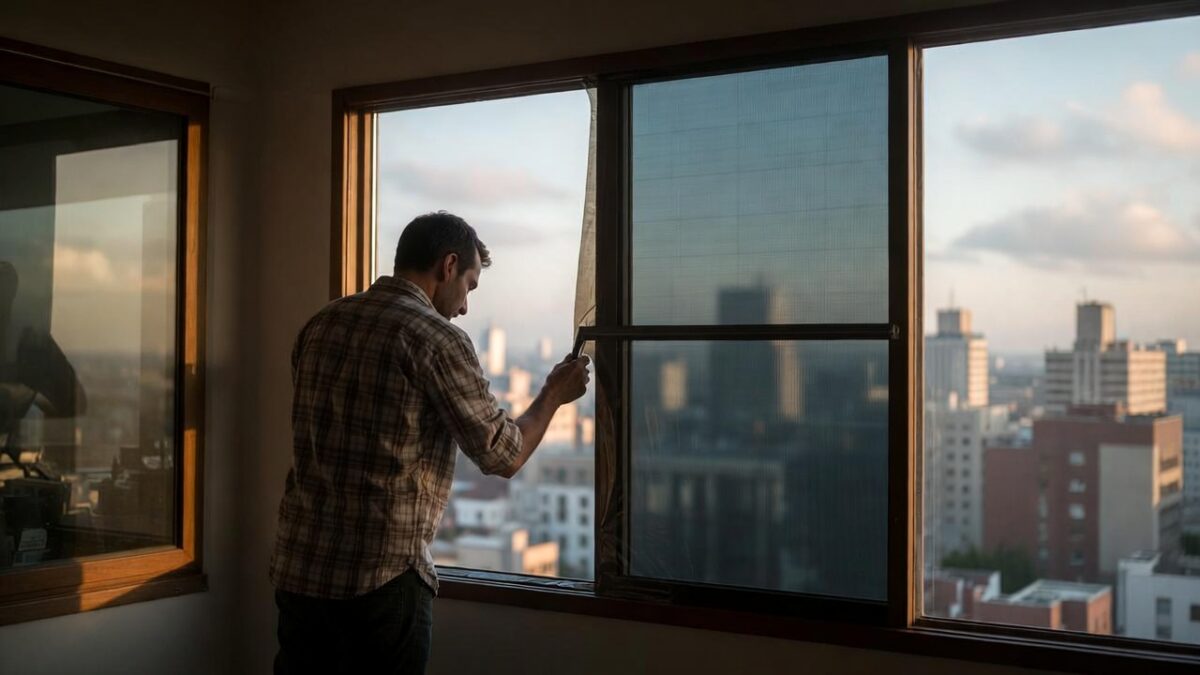
Window films are one of the most searched home upgrades in Toronto and the GTA, and the reason is pretty simple. Homes here deal with strong sun in summer, cold glass in winter, and big swings in energy bills all year. People keep asking the same things online. Why is one room always hotter. Why does cold air sit near the window. Why does the AC or furnace never seem to stop.
Window films come up because they solve those problems without tearing anything out. No new frames. No noisy work. Just a thin layer added to the glass you already have. This guide explains how window films work in real Toronto homes, how they affect energy use, and what homeowners actually notice after install. No fluff. No sales talk. Just useful info.
If you want a basic overview before going deeper, this page explains the fundamentals clearly: Introduction to window films.
What Are Window Films and Why Do Toronto Homes Use Them?
Window films are thin layers installed on the inside surface of windows. Once installed, the glass behaves differently with heat and light. The window stays in place. The frame stays untouched. Only the performance changes.
In many Toronto homes, windows are the biggest source of energy loss. Sun heats rooms fast in summer. Heat escapes through glass in winter. Window films help slow both of those problems.
In simple terms, window films do a few key things:
- Reflect part of solar heat before it enters the room
- Reduce glare on TVs and screens
- Block UV rays that fade floors and furniture
- Reduce the cold glass feeling during winter
This is why window films show up in living rooms, bedrooms, home offices, and condos with large glass walls. You still get daylight. You just lose the uncomfortable parts.
Many homeowners worry that window films will make rooms dark. That’s not always true. Some films are nearly clear. Others add light shading. A west-facing window in Etobicoke needs a different film than a shaded north-facing window in Markham. Film choice matters a lot.
How Window Films Reduce Energy Waste in the GTA Climate
Toronto weather is tough on houses. Summers bring heat waves and long sun exposure. Winters bring cold air and long heating seasons. Spring and fall bring low sun angles that blast straight through west-facing glass.
Window films help manage all of this.
In summer, solar heat gain is the main issue. Sun-facing windows act like heaters. Rooms warm up fast. AC systems work harder to catch up. Window films reduce how much heat passes through the glass, so rooms stay closer to the set temperature.
In winter, the problem flips. Glass gets cold. Air near the window cools down. That creates cold zones near couches and desks. Window films slow heat loss through the glass, which helps rooms feel more even.
Energy savings also come from habit changes. When rooms stop overheating or freezing, people stop opening and closing blinds all day. They stop changing the thermostat over and over. That cuts wasted energy without extra effort.
If summer heat is the main issue in your home, this article goes deeper into options that focus on that problem: heat blocking window films.
For neutral, Canada-based info on how windows affect home energy use, Natural Resources Canada explains it clearly here: Natural Resources Canada energy efficiency.
What Homeowners Usually Notice After Installing Window Films
Across Toronto, North York, Scarborough, Vaughan, Markham, and Mississauga, homeowners report very similar changes after installing window films.
- Less AC use during peak summer days
- Fewer hot and cold rooms
- Reduced glare on screens
- Better comfort near large windows
- More stable monthly energy bills
Window films also block UV rays. UV damage happens slowly but costs a lot to fix later. Floors fade. Furniture breaks down. Blocking UV helps protect what you already paid for.
Real Toronto Examples of Window Films and Energy Savings
Every home is different, but patterns repeat across the GTA.
North York detached home
Large south-facing windows made the living room uncomfortable every summer. After window films were installed, the room stayed cooler during the afternoon. The AC did not run as long each cycle. The space felt usable again.
Downtown condo near King West
Floor-to-ceiling glass caused glare and heat buildup. The owner worked from home and kept blinds closed most days. Window films reduced glare and balanced the room temperature. Blinds stayed open more often. AC ran less.
Scarborough bungalow
Cold window zones made the front room uncomfortable in winter. After window films were installed, the cold glass effect dropped. Seating near the windows felt normal again.
New example: Milton townhome with open kitchen
Late afternoon sun overheated the main floor and kitchen. Window films reduced heat gain while keeping the space bright. Fans were used less often.
New example: Downtown Toronto retail storefront
A small shop with large front windows overheated during summer afternoons. Window films helped control heat so the space stayed comfortable for staff and customers without pushing the AC nonstop.
Most homeowners notice comfort changes first. Energy savings follow because heating and cooling systems stop working so hard.
Window Films vs Window Replacement for Energy Savings
Many homeowners compare window films with full window replacement. Replacement works, but it costs a lot and takes time.
Window films work with what you already have. If frames and seals are still solid, films can improve performance without major disruption.
In Toronto, many homeowners install window films first and delay replacement for years. Some never replace at all.
This comparison explains the difference clearly: window films vs window replacements.
Why Professional Installation Matters for Window Films
Window films only work well when installed properly. Installation quality affects how long the film lasts and how it looks.
A professional install includes:
- Careful glass cleaning
- Accurate measuring and cutting
- Smooth application without bubbles
- Clean edges that reduce peeling
DIY kits often fail because of dust, moisture, or poor trimming. That leads to bubbling and early failure. Professional-grade films and proper tools make a big difference.
If you are checking prices early, this guide explains cost factors clearly: window film installation cost.
For broader home energy guidance, Canada Mortgage and Housing Corporation shares useful info here: CMHC home energy guidance.
Are Window Films Worth It for Energy Savings in Toronto?
If your home has hot rooms in summer, cold spots in winter, glare problems, or rising energy bills, window films are worth a real look.
They install fast. They work with existing windows. They improve comfort right away. In a climate like Toronto’s, better comfort usually means less wasted energy.
Window films are now common across Toronto, North York, Etobicoke, Scarborough, Vaughan, Markham, Mississauga, Brampton, and nearby areas. Homeowners choose them because they solve real problems without major renovation.
If you want to see if window films make sense for your home or business, talk to a local installer who works with GTA properties every week. A proper look at your windows can fix comfort issues that stick around for years.
Need help with window films?
Visit https://tintly.ca/ to learn more or book a no-pressure consultation.