# Creative Ways to Use Window Insulation Film
When it comes to enhancing the energy efficiency of your home, window insulation film is an often overlooked yet incredibly effective solution. Not only does it provide a cost-effective way to improve your home’s insulation, but it also offers a range of creative possibilities for interior design. In this article, we’ll explore the benefits of window insulation film and share some innovative ways to incorporate it into your living spaces.

Before diving into creative uses, it’s important to understand what window insulation film is. Essentially, window insulation film is a thin, flexible sheet that you can apply directly to your windows. It acts as a barrier against the elements, helping to keep heat in during the winter and out during the summer. This makes it an excellent choice for boosting your home’s energy efficiency.
Benefits of Window Insulation Film
- Energy Efficiency: By reducing the amount of heat lost through your windows, insulation film can significantly lower your energy bills.
- UV Protection: Many window films block harmful UV rays, protecting your furniture and flooring from fading.
- Privacy: Tinted or frosted films can provide privacy without sacrificing natural light.
- Cost-Effective: Compared to replacing windows, insulation film is a much more affordable option.
- Easy Installation: Most films are easy to apply, making it a great DIY project.
Creative Applications in Interior Design
Now that we’ve covered the basics, let’s look at some creative ways you can use window insulation film to enhance your home’s interior design.
Decorative Patterns and Designs

One of the most exciting aspects of window insulation film is its versatility in design. You can find films in a wide range of patterns and colors, from simple frosted designs to intricate stained glass effects. This allows you to add a decorative touch to any room without committing to more permanent changes.
Tip: Use decorative films to create a feature window in a living room or to add privacy and style to bathroom windows.
Enhancing Natural Light
Window film doesn’t just insulate; it can also be used to manipulate light. Reflective films can brighten up a room by bouncing light around, while tinted films can reduce glare in overly sunny spaces.
Tip: Apply a light-reflective film in dark hallways or rooms that don’t get much natural light to make them feel more open and airy.
Seasonal Adjustments
During the colder months, you might want to focus on maximizing warmth. In the summer, you might prioritize cooling. Some window films are designed to be easily removable, allowing you to switch them out based on the season.
Tip: Consider using a removable film that can be swapped out with a more suitable option as the seasons change.
Installation Tips for Window Insulation Film

by ihor (https://unsplash.com/@ishlpnk)
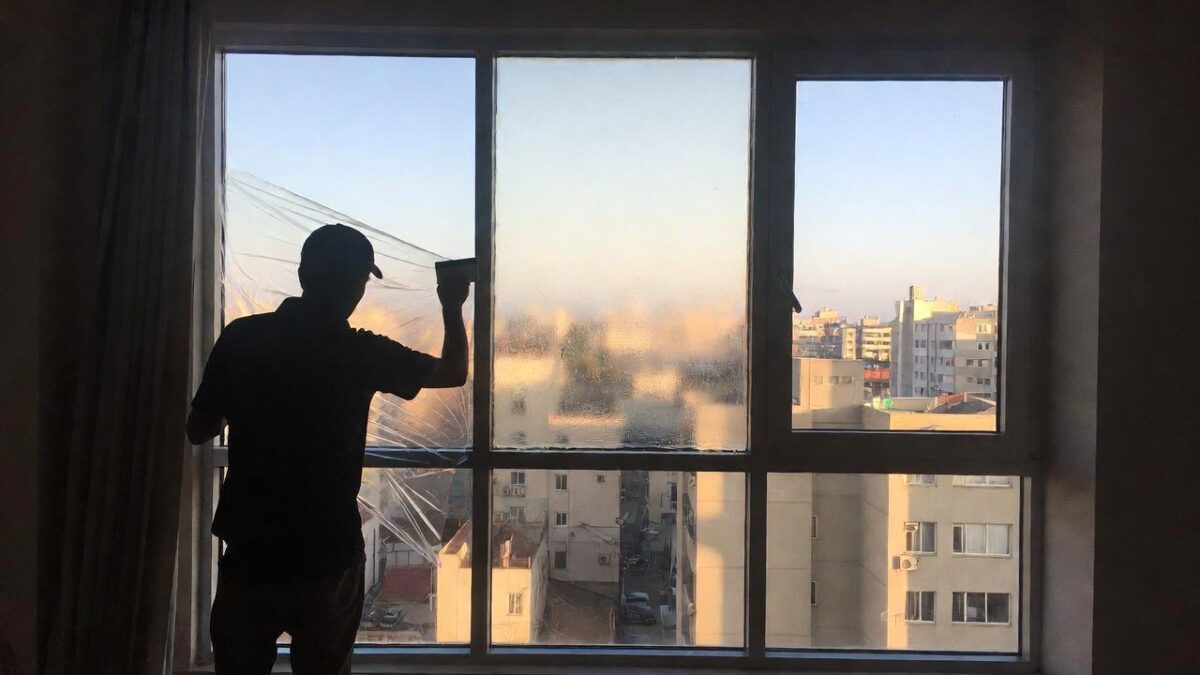
Installing window insulation film is a straightforward process, but a few tips can help ensure a smooth application.
- Clean the Window: Before applying the film, make sure your windows are thoroughly cleaned and free of dust and debris.
- Measure and Cut: Measure your windows and cut the film to size, leaving a small margin for adjustments.
- Apply with Care: Use a squeegee to smooth out the film and remove any air bubbles.
- Trim Excess: Once the film is applied, trim any excess for a clean finish.
Common Mistakes to Avoid
- Skipping the Cleaning Step: Any dirt on the window will create bubbles and affect the film’s adhesion.
- Improper Sizing: Be sure to measure carefully to avoid cutting the film too small.
- Ignoring Manufacturer Instructions: Different films may have specific installation requirements, so always refer to the instructions provided.
Maintenance and Longevity
Once installed, window insulation film requires minimal maintenance. To ensure longevity, clean your windows with a soft cloth and mild detergent. Avoid abrasive cleaners, as they can scratch the film.
Tip: Regularly inspect the edges of the film for peeling or lifting, and reapply as needed to maintain optimal performance.
Eco-Friendly Considerations
Window insulation film not only saves energy but also contributes to a greener home. By reducing your reliance on heating and cooling systems, you decrease your carbon footprint. Furthermore, many films are made from recyclable materials, making them a sustainable choice.
Tip: Look for films that are marketed as eco-friendly or have certifications for sustainable practices.
Conclusion
Window insulation film is a versatile tool that offers both functional and aesthetic benefits. Whether you’re looking to cut down on energy costs, protect your interiors, or add a decorative touch to your home, window insulation film presents an array of possibilities. With a bit of creativity, you can transform your living spaces into comfortable, stylish, and eco-friendly environments.
Remember, the key to successful window film installation lies in careful preparation and application. By following the tips outlined in this article, you’ll be well on your way to reaping the many rewards of this innovative home improvement solution.