When you’re looking to improve your home’s energy efficiency and privacy without compromising on style, one way window film is an excellent choice. This innovative product offers a range of benefits that appeal to both homeowners and interior designers alike. In this article, we will delve into the advantages of one way window film, how it can enhance security, provide privacy, and contribute to energy efficiency in your home.

One way window film is a thin, adhesive material applied to the interior side of windows. It is designed to allow people inside to see out, while preventing those outside from seeing in. This is achieved through a reflective surface on the exterior side of the film, which creates a mirrored effect when viewed from outside during daylight.
Key Features of One Way Window Film
- Reflective Surface: The film has a mirrored exterior that enhances daytime privacy.
- UV Protection: Blocks harmful ultraviolet rays, protecting your interiors from fading.
- Energy Efficiency: Reduces heat gain and loss, leading to lower energy bills.
- Easy Installation: Can be applied to existing windows without the need for replacement.
Privacy and Security Benefits
Enhancing Privacy
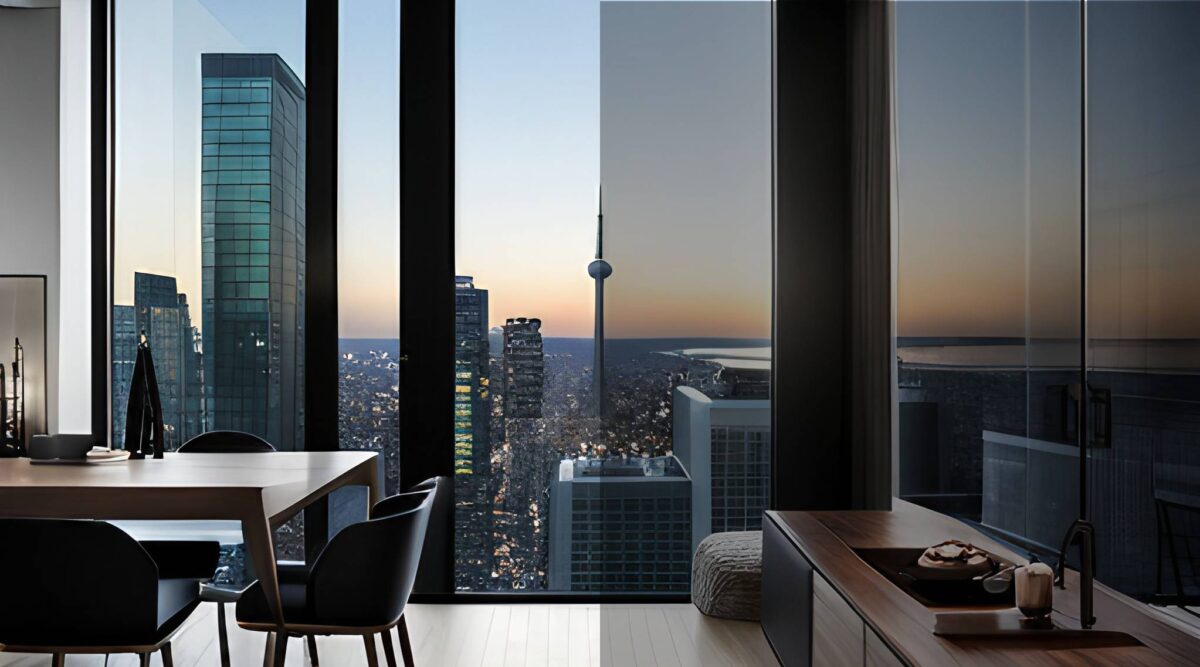
Privacy is a top concern for many homeowners, especially in urban areas where homes are closely situated. One way window film is an effective solution to ensure privacy without sacrificing natural light. During the day, the reflective surface of the film prevents passersby from seeing inside, while still allowing you to enjoy the view outside.
Improving Security

Security window film is another aspect of one way window film that shouldn’t be overlooked. It adds a layer of protection to your windows, making them more difficult to break. In the event of an attempted break-in or accidental impact, the film holds the glass together, reducing the risk of injury from shattered glass.
Energy Efficiency
One way window film contributes to energy efficiency in several ways. By reflecting sunlight, it reduces heat gain during hot months, helping to maintain a cooler indoor temperature. This means your air conditioning system doesn’t have to work as hard, leading to significant savings on energy bills.
During colder months, the film acts as an insulator, preventing heat loss through windows. This dual functionality makes one way window film a smart choice for year-round energy savings.
Aesthetic Appeal
Interior designers will appreciate the aesthetic benefits of one way window film. Available in various shades and finishes, it can complement any interior design style. Whether you’re going for a modern, sleek look or a more traditional aesthetic, there’s a window film option that can enhance your home’s appearance.
Customizable Options
Homeowners can choose from a range of colors and patterns to match their decor. Some films even offer decorative designs, adding an artistic touch to your windows without the need for additional window treatments.
Cost-Effective Solution

by Alex Tyson (https://unsplash.com/@alextyson195)
Compared to replacing windows with more expensive privacy glass, one way window film is a cost-effective alternative. It provides similar benefits at a fraction of the cost, making it an attractive option for budget-conscious homeowners and designers.
Easy Maintenance
Maintaining one way window film is simple and straightforward. Regular cleaning with mild soap and water keeps the film looking its best, and its durability ensures long-lasting performance without frequent replacements.
Environmental Impact
Choosing one way window film is not only beneficial for your home but also for the environment. By reducing energy consumption, it contributes to lower carbon emissions, aligning with eco-friendly practices. This is particularly important for those looking to implement sustainable solutions in their homes.
Reducing UV Exposure
In addition to energy savings, one way window film protects against harmful UV rays, which can cause furniture and flooring to fade over time. This protection prolongs the life of your interior furnishings, reducing the need for replacements and further minimizing environmental impact.
Installation Process
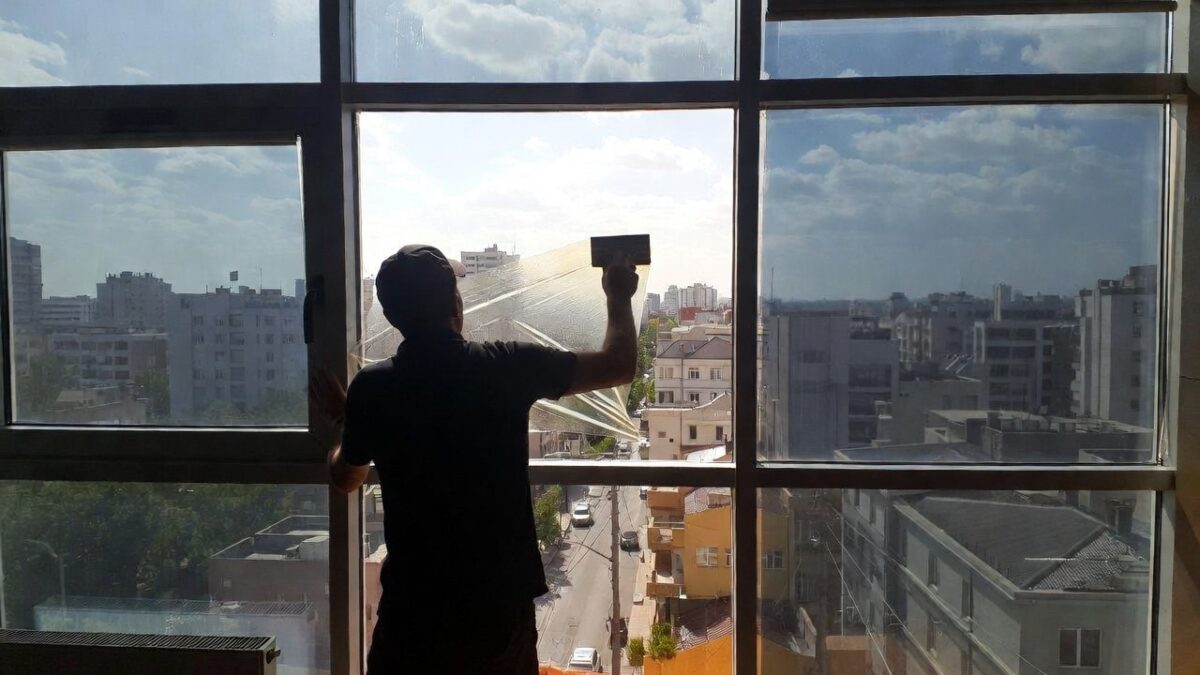
Installing one way window film is a straightforward process that can be done by professionals or DIY enthusiasts. For best results, professional installation is recommended to ensure a perfect fit and finish.
Steps to Install One Way Window Film
- Prepare the Surface: Clean the window thoroughly to remove any dirt or residue.
- Measure and Cut: Measure the window dimensions and cut the film to size.
- Apply the Film: Peel off the backing and apply the film to the window, smoothing out any bubbles with a squeegee.
- Trim Excess: Trim any excess film for a neat finish.
Conclusion
One way window film offers a versatile and effective solution for enhancing privacy, security, and energy efficiency in your home. Its cost-effectiveness and aesthetic appeal make it a popular choice for both homeowners and interior designers. By opting for one way window film, you can enjoy the benefits of improved privacy and reduced energy costs while maintaining a stylish and comfortable living environment.
Whether you’re looking to upgrade your home’s windows for better security or simply want to add a touch of elegance, one way window film is a solution worth considering. With its numerous benefits and ease of installation, it’s no wonder that more and more people are choosing this innovative product to enhance their living spaces.