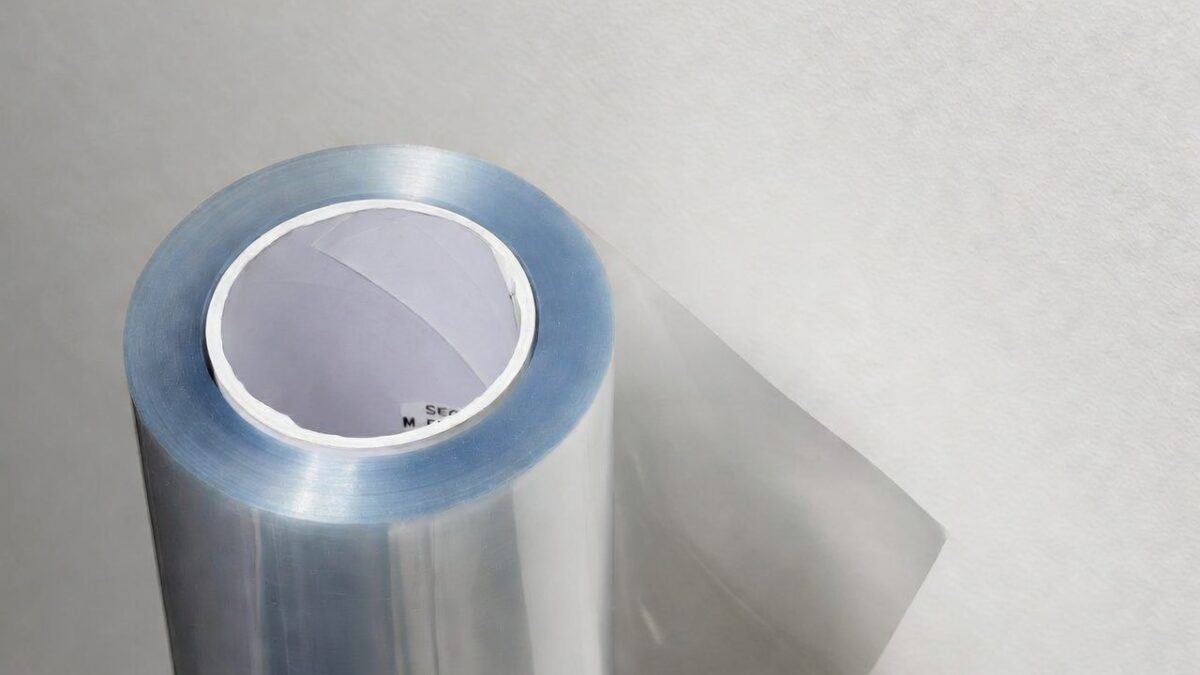
Window films are widely used in Toronto and the GTA to reduce safety risks caused by glass. Property owners rely on window films to protect people, control damage, and lower injury risk when windows fail. In areas with heavy foot traffic and large glass walls, one type of window film is mentioned more than most during safety planning. That film is blast retention window film.
Search interest around window films often rises after construction accidents, vehicle impacts, or loud nearby events that shake windows hard. Many times the glass stays intact. Other times, it does not.
When glass breaks, injuries can happen fast.
This article explains how blast retention window films work, where they fit inside the larger window films category, and when they make sense for Toronto and GTA properties. It also explains how they compare to other security and safety film options.
What Blast Retention Window Films Are and Why They Are Used
Blast retention window films are a type of window film designed to hold broken glass together during strong pressure events. These events include explosions, heavy impacts, or sudden force against glass.
The glass still cracks.
The change comes after the crack.
Without window films, broken glass breaks loose and moves inward at high speed. With blast retention window film, the glass stays bonded together and often stays inside the frame. This lowers the chance of cuts and serious injury.
In many incidents, flying glass causes more harm than the blast or impact itself. Offices, schools, clinics, and retail spaces all face this risk when large glass panels fail.
Blast retention window films are common in buildings with large glass coverage and steady foot traffic. In Toronto, this includes government offices, financial buildings, transit areas, healthcare sites, and busy street-level retail.
Most owners first hear about these window films after a close call. A clamp drops from scaffolding. A delivery truck backs into glass. A demolition blast nearby rattles windows. No one gets hurt, but the risk becomes clear.
This is usually when security films move from an idea to a real plan.
How Blast Retention Window Films Work on Real Glass
Blast retention window films use thick polyester layers that stretch instead of tearing. The film installs on the interior surface of the glass.
When pressure hits the window, the film absorbs force and spreads it across the pane. The glass cracks but stays held together.
In higher-risk locations, installers bond the film to the window frame using attachment systems. This helps keep the glass mass inside the frame instead of falling inward.
A trained window tinting service decides when anchoring is needed. The choice depends on glass size, frame strength, and how people move through the space.
Many Toronto installs include:
- Clear security film layers
- Edge sealing to reduce peel back
- Frame bonding in higher-risk zones
- Interior installation for longer film life
From outside, the windows look normal. Inside, daylight stays the same. This is why clear security film is often used in Bay Street offices and mixed-use buildings near Yonge.
For a simple breakdown of how safety-focused window films work, this guide on how safety films enhance window security explains it clearly.
Where Blast Retention Window Films Make Sense in Toronto and the GTA
Not every building needs blast retention window films.
They make sense where people sit close to large glass areas and where damage risk is higher. Downtown towers. Transit stations. Schools. Clinics. Retail with full glass fronts.
Common GTA locations include:
- Toronto Financial District
- Liberty Village commercial blocks
- North York Centre offices
- Scarborough Town Centre zones
- Vaughan Metropolitan Centre towers
- Mississauga City Centre properties
Season plays a role too. Winter brings ice impact, road spray, and strong wind pressure. Summer brings heavy construction and equipment movement. Both raise glass failure risk.
One Toronto case involved a real estate office beside a long-term condo build. A steel fitting slipped during lifting and hit a window. The glass cracked but stayed together because security window film had been installed earlier. Staff stayed inside and no one was hurt.
Another GTA example involved a daycare near a busy road. A vehicle slid during freezing rain and struck the glass frontage. Blast retention window film held the glass in place until repairs were completed days later.
These situations are more common than people expect.
Blast Retention Window Films Compared to Other Window Film Options
Standard security window films focus on slowing break-ins and reducing glass scatter. They help with theft prevention.
Blast retention window films handle stronger pressure and focus on injury control.
Main differences include:
- Thicker film builds
- Higher stretch capacity
- Frame attachment systems
- Different install methods
If theft is the main concern, standard security film may be enough. If people safety and liability matter more, blast retention systems fit better.
Some owners compare window films with full window replacement. Film usually costs less and installs faster. This comparison of window films vs window replacements explains why film is often chosen first.
What Installation Looks Like with a Toronto Window Film Provider
Installing blast retention window films takes planning.
The process includes checking glass type, measuring frames, and reviewing how the space is used. Many Toronto installs happen after hours so businesses can stay open.
Most installs follow steps like:
- Site review and measurements
- Film selection based on risk level
- Interior installation
- Edge bonding and anchoring if needed
Clear security film stays clear. Rooms do not become dark. This matters in offices, schools, and healthcare spaces.
For a step-by-step look at proper work, this guide on installing security film shows what quality installation looks like.
How Blast Retention Window Films Fit into the Larger Window Films System
Blast retention window films are part of a larger window films setup. Many buildings pair them with solar film, privacy film, or UV blocking film.
Security often comes first. Comfort and energy savings come after.
For owners learning the basics, this introduction to window films helps explain how different films work together.
For general guidance on building safety and glass hazards, Public Safety Canada provides resources at Public Safety Canada.
Material testing standards often referenced in film specs are published by ASTM International.
Final Thoughts for Toronto Property Owners
Window films solve real problems when installed the right way. Blast retention window films focus on keeping broken glass from injuring people.
They do not stop every incident. They control what happens after glass breaks.
For high-risk buildings in Toronto and the GTA, that control helps protect people and keeps spaces usable.
Glass will always break. Planning decides what happens next.


