Categories
Window Film and Tints

DIY Window Film Application Mistakes to Avoid

When it comes to enhancing your home’s aesthetics and improving energy efficiency, applying window film can be an excellent choice. However, doing it yourself can sometimes lead to common mistakes that affect both the look and function of the film. In this guide, we’ll explore the typical pitfalls of DIY window film application and how to avoid them, ensuring a flawless finish that meets your design goals.

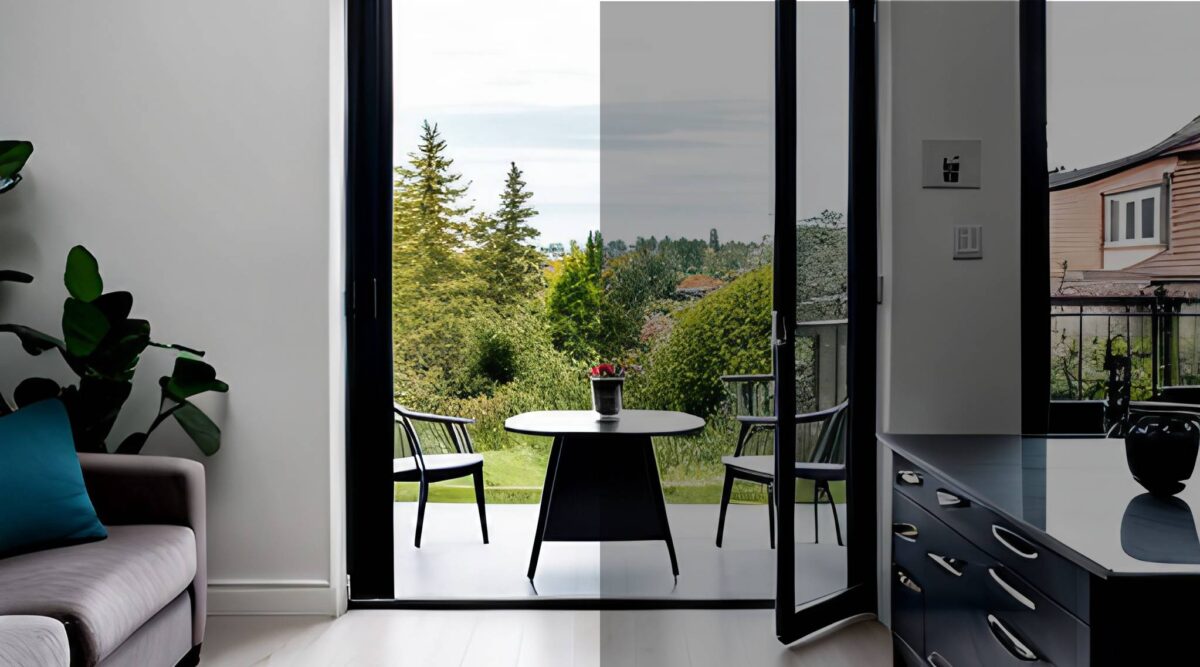
Modern living room with stylish window film

Window films are popular because they offer a myriad of benefits. Not only do they provide privacy and reduce glare, but they also contribute to energy savings by blocking out harmful UV rays that can damage interiors. This makes them an eco-friendly option that complements stylish interior designs.

Common DIY Window Film Application Mistakes

Before you start your window tinting project, be aware of these common mistakes. Being informed will help you achieve professional-looking results without the hassle.

Inadequate Cleaning of Windows

The first step in applying window film is thoroughly cleaning your windows. Any dirt, dust, or grease left on the glass can create bubbles and adhesion problems once the film is applied. Use a high-quality glass cleaner and a lint-free cloth to ensure the surface is spotless.

Misjudging the Film Size

Person measuring a window with a tape measure

One of the most frequent mistakes is cutting the window film to the wrong size. Always measure the window accurately before cutting the film. It’s better to cut the film slightly larger than needed and trim the excess after application. This ensures complete coverage and a neat finish.

Ignoring the Manufacturer’s Instructions

Each window film product may have specific instructions for application. Ignoring these can lead to poor adhesion or even damage to the film. Take the time to read and follow the manufacturer’s guidelines carefully. This might include details on the type of water or solution to use and the ideal temperature for installation.

Applying Film in Poor Conditions

Temperature and humidity play a crucial role in window film application. Installing film in high humidity or extremely cold conditions can prevent it from adhering properly. Aim to apply window film in a controlled environment, ideally between 45°F and 75°F.

Skipping the Use of a Squeegee

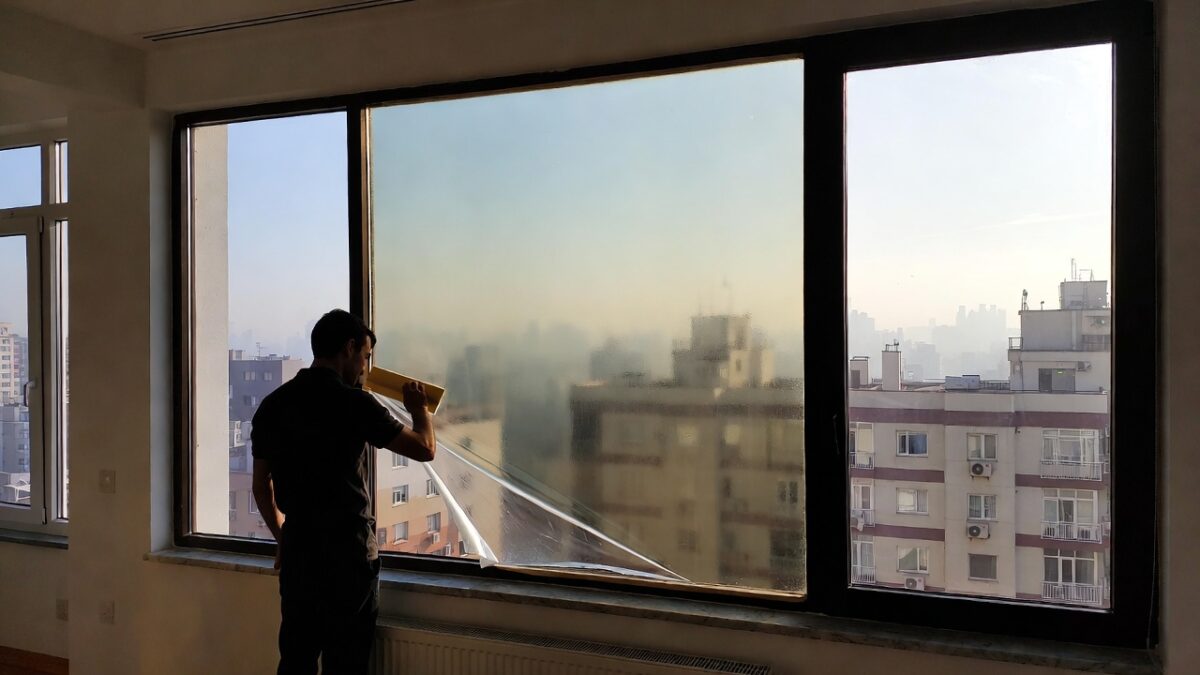
A squeegee is an essential tool for smoothing out air bubbles and ensuring the film adheres evenly to the window. Skipping this step or using an improper tool can lead to bubbles and wrinkles in the film. Invest in a good quality squeegee designed for window film application.

Tips for a Successful DIY Window Film Application

To achieve a professional look, consider these tips while applying your window film.

Use the Right Tools

Ensure you have all the necessary tools before starting. This includes a spray bottle with a soapy water solution, a squeegee, a utility knife, and a tape measure. Having the right tools on hand will make the process smoother and more efficient.

Plan and Prepare

Planning your application process can save you time and reduce errors. Lay out your tools and film, and ensure your workspace is clean and organized. This will help you stay focused and avoid unnecessary mistakes.

Practice Patience

Applying window film requires patience and precision. Take your time to align the film correctly and squeegee out any bubbles. Rushing through the process can lead to errors that are difficult to correct later.

Seek Professional Help if Needed

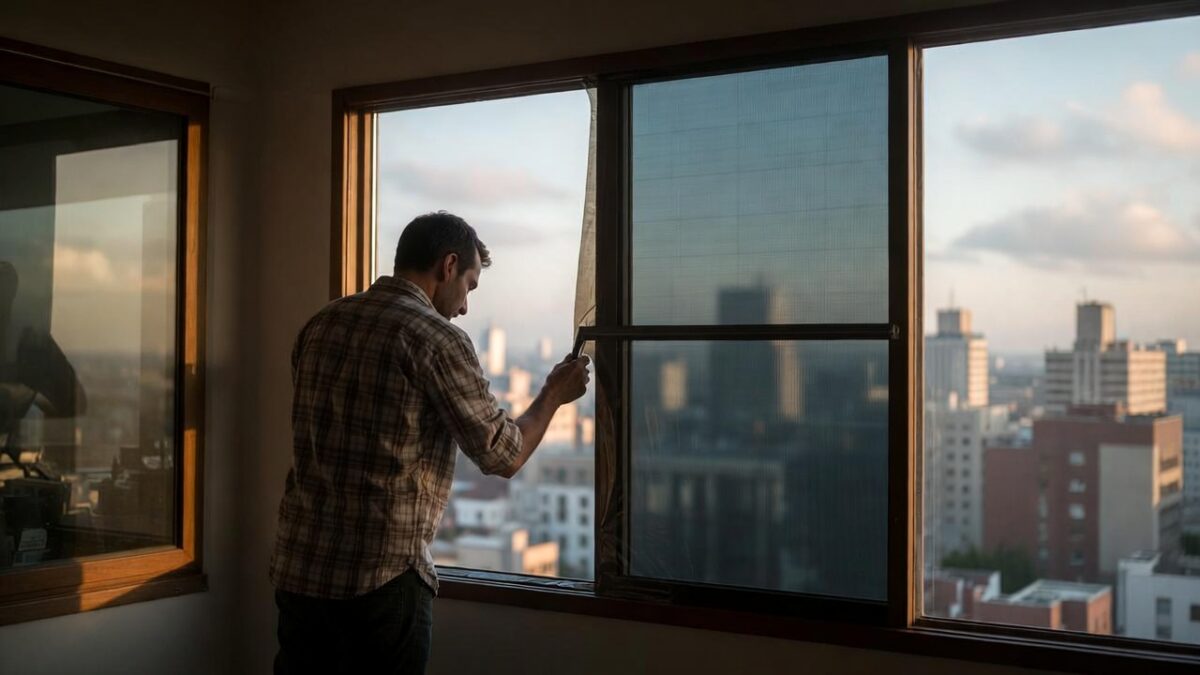
Professional applying window film

by william f. santos (https://unsplash.com/@youwwwill)

If you’re unsure about DIY application or want to ensure perfect results, consider hiring a professional. They have the experience and expertise to apply the film flawlessly, saving you time and potential frustration.

Benefits of Properly Applied Window Film

When applied correctly, window film can transform your space in several ways. Here are some benefits:

  • Enhanced Aesthetics: Window film can add a sophisticated look to your home, complementing interior designs and adding value.
  • Energy Efficiency: By blocking UV rays, window film helps maintain indoor temperatures, reducing the need for heating and cooling.
  • Privacy and Security: Tinted films provide privacy without compromising natural light, and some films offer added security by strengthening glass.

Conclusion

DIY window film application can be a rewarding project, but it requires attention to detail and proper preparation. By avoiding common mistakes and following best practices, you can achieve a professional look that enhances your home’s appeal and functionality. Whether for aesthetics, energy efficiency, or privacy, window film is a valuable addition to any home improvement plan.

Remember, if the process seems overwhelming, don’t hesitate to consult with a professional for a flawless installation. Your home deserves the best, and with the right approach, window film can be a transformative solution.

Categories
Window Film and Tints

A Practical Guide to Window Films for Toronto Homes and Businesses

Window films are one of the most searched upgrades for homes and businesses in Toronto and the GTA. People search for window films to deal with hot rooms, strong glare, fading floors, unsafe glass, and lack of privacy. Window films help fix these issues without replacing windows, which saves money and avoids major disruption.

In Toronto, buildings sit close together. Summers bring strong sun. Winters bring cold drafts. Glass plays a big role in comfort and safety. That is why choosing the right window films matters more here than many other cities.

This guide explains how window films work and breaks down the four main types used across Toronto and the GTA. Solar window film, security film, decorative film, and privacy film all solve different problems. Once you understand what each one does, choosing the right window films becomes far easier.

If you want a local overview of how window films are used in real homes and commercial spaces, this page from Tintly Window Films explains common applications across the GTA.

Solar Window Films for Heat and Glare Problems

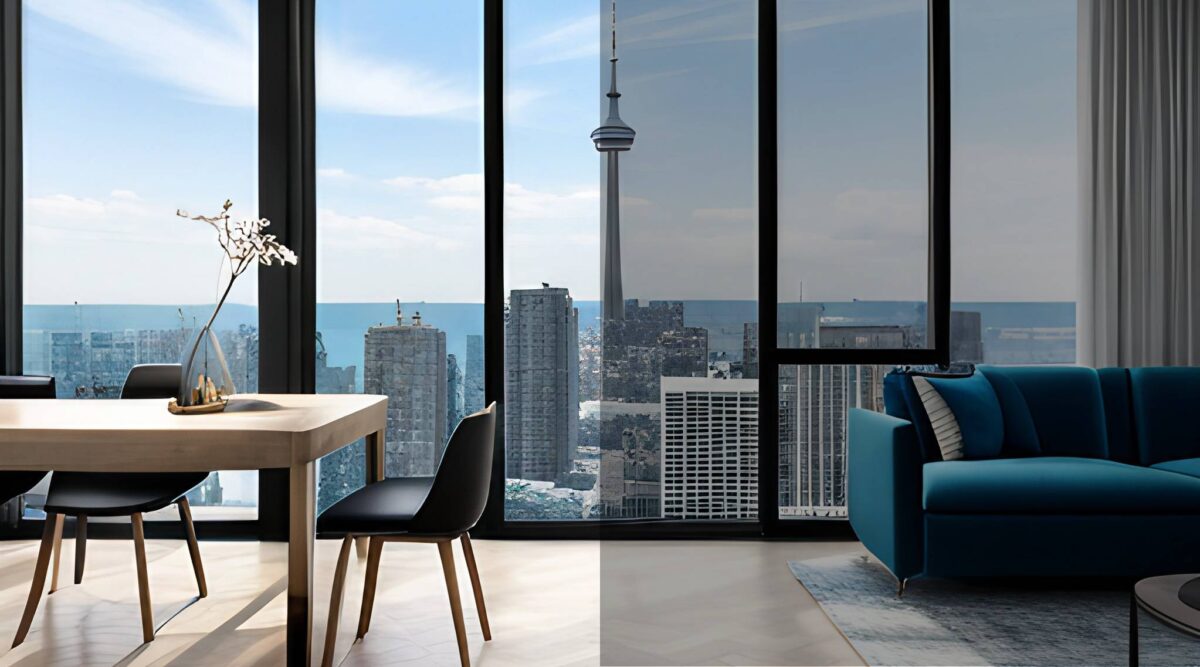
Solar window films are the most common window films installed in Toronto. They are used to reduce heat, glare, and UV rays. Condos with large glass walls heat up fast, especially in areas like CityPlace, King West, and along the waterfront.

Solar window films reflect and absorb solar energy before it enters the room. This keeps indoor temperatures more stable. Air conditioners run less. Rooms feel usable again.

A condo near Queens Quay had floor-to-ceiling glass facing south. By late morning in summer, the living room was too hot to sit in. After solar window film was installed, the room stayed cooler all afternoon. Glare on screens dropped a lot. The owner noticed the AC ran less, even on very hot days.

Solar window films also protect interiors. UV rays fade hardwood floors, furniture, rugs, and store displays. Homes in Leslieville and shops along Queen Street West often see fading near windows.

Health Canada explains why reducing UV exposure matters, even indoors, in its guide on sun safety and UV exposure.

Solar window films help during winter too. They slow heat loss through glass. Toronto winters are long. Small energy savings help over time.

Solar window films come in many shades. Some are nearly clear. Others are more reflective. The goal is comfort, not turning rooms dark.

If heat and glare are the main issues, learning how solar window films work can help narrow the choice faster.

Security Window Films for Glass Safety

Security window films focus on glass safety. They do not stop glass from breaking. They hold broken glass together.

Security window films are thicker than standard window films. When glass breaks, shards stay attached to the film. This slows entry and lowers injury risk.

Security window films are common in ground-floor homes, storefronts, clinics, and offices across Scarborough and North York.

A small storefront near Yonge Street installed security window film after a break-in shattered their front window. Months later, another impact cracked the glass but did not create an opening. Cleanup was faster and nothing was stolen.

Security window films also help during storms and accidents. Patio doors, glass doors, and interior partitions are safer when glass stays in place.

Some security films also block UV rays, but their main role is glass retention. Install quality matters. Weak edges reduce strength.

This guide on security window films explains how they protect glass in real situations.

Decorative Window Films for Privacy Without Blocking Light

Decorative window films are used when privacy is needed but light still matters. They are common in offices, clinics, bathrooms, and meeting rooms.

Decorative window films can look frosted, etched, or patterned. Some include custom designs or logos. They block direct views while letting daylight pass.

An office in Mississauga replaced old blinds with decorative window film in meeting rooms. The rooms felt brighter. Cleaning became easier. Privacy stayed, without curtains.

Homes also use decorative window films on bathroom windows, front doors, and side panels. Curtains are not always wanted. Decorative film keeps rooms feeling open.

Decorative window films are not permanent. They can be removed or changed later without damaging glass when installed properly.

These window films focus more on privacy and design than heat control, though some versions still reduce UV.

Many homeowners start by learning how frosted window film works before choosing a style.

Privacy Window Films for Street-Level Windows

Privacy window films reduce visibility into a space. The most common type is one-way mirror film.

During the day, exterior light reflects off the glass and limits what people can see inside. At night, interior lighting can reverse the effect. This surprises many owners.

Privacy window films are popular in downtown condos, storefronts, and offices near sidewalks. Vaughan and Richmond Hill see heavy use in newer buildings.

A ground-floor condo near Bloor Street installed privacy window film to block views from foot traffic. Daytime privacy improved right away. At night, better lighting fixed visibility.

Privacy window films often overlap with solar window films. Many reduce glare and UV while adding daytime privacy.

This guide on privacy window films helps compare options before choosing.

How Window Films Are Used Together

Most homes and businesses use more than one type of window film. There is no single setup that fits every space.

Condos often use solar window films in living areas, privacy window films on street-facing glass, and decorative window films in bathrooms.

Retail stores combine solar window films for comfort and security window films for glass protection.

Offices mix decorative and privacy window films depending on how each room is used.

Matching the problem to the right window films saves money and avoids redo work.

Seasonal Window Film Needs in Toronto

Toronto seasons change fast. Summer brings heat and glare. Winter brings drafts and heat loss.

Window films work all year. Solar window films reduce summer heat and slow winter heat loss. Security window films add protection during storm season.

Spring and fall are popular install times. Temperatures are mild and install conditions are better.

Natural Resources Canada explains how much heat escapes through windows in its guide on window heat loss and upgrades.

Why Professional Installation Matters

Window films are sensitive to install quality. Dust, moisture, and uneven pressure cause bubbles and peeling.

Glass type matters. Double-pane glass. Low-E coatings. Older homes. New condos. Each reacts differently.

Professional installers test glass, recommend film types, and apply films cleanly.

DIY film often fails early and needs removal, which adds cost later.

Next Steps for Toronto Property Owners

Window films fix real problems. Heat. Glare. Privacy. Safety. Energy use.

The right window films depend on your space and goals. Solar, security, decorative, and privacy window films each solve different issues.

If you want local advice from a team that installs window films across Toronto and the GTA every week, speak with a professional.

Visit Tintly Window Films to see which window films fit your home or business.

Categories
Window Film and Tints

Will Window Tinting Starve Your Plants of Sunlight

# Will Window Tinting Starve Your Plants of Sunlight

Window tinting has become a popular choice for homeowners looking to improve energy efficiency and enhance privacy. However, many plant lovers worry that window tinting might deprive their beloved indoor plants of the sunlight they need to thrive. Let’s explore whether window tinting will starve your plants of sunlight and how you can enjoy the benefits of tinted windows while keeping your indoor garden healthy and vibrant.

Understanding window tinting

Window tinting involves applying a thin film to the glass surfaces of your windows. This film can reduce glare, block harmful UV rays, and improve energy efficiency by keeping indoor temperatures stable. But how does it affect the sunlight passing through your windows?

Types of Window Tinting

There are several types of window tinting films available, each designed for specific purposes:

  1. Solar Control Film: This type of tint reduces heat and glare while blocking UV rays. It’s commonly used in homes to improve comfort and protect furnishings from sun damage.
  2. Decorative Film: These films are used to enhance the appearance of windows and add privacy without significantly affecting light transmission.
  3. Security Film: A thicker film designed to hold glass shards together in case of breakage, providing additional security and safety.
  4. Low-E Film: These films are designed to reflect heat during summer and retain it during winter, optimizing energy efficiency.

How Does Window Tint Affect Plant Sunlight?

The impact of window tinting on plant sunlight primarily depends on the type of film used. Some films can reduce the amount of visible light entering a room, which can potentially affect plant growth. However, many modern window films are designed to strike a balance between reducing heat and glare while allowing sufficient light for plants.

The Needs of Indoor Plants

Indoor plants and sunlight

Indoor plants, like all living things, require certain conditions to thrive. Light is one of the most critical factors for plant growth. Understanding the specific light needs of your plants can help you make informed decisions about window tinting.

Light Requirements for Plants

Plants are generally categorized based on their light requirements:

  • Low Light Plants: These plants thrive in shaded or indirect light conditions. Examples include snake plants, pothos, and peace lilies.
  • Medium Light Plants: These plants require bright, indirect light. Examples include ferns, spider plants, and philodendrons.
  • High Light Plants: These plants need direct sunlight to grow well. Examples include succulents, cacti, and herbs.

How to Choose the Right Tint

If you’re worried about window tinting affecting your plants, consider the following tips:

  1. Assess Light Needs: Identify the light requirements of your indoor plants. If your plants thrive in low or medium light, they may not be significantly affected by window tinting.
  2. Select the Right Film: Opt for a window film that maintains a high level of visible light transmission (VLT). Films with a VLT of 70% or higher generally allow plenty of light for plant growth.
  3. Position Plants Appropriately: Place plants closer to windows to maximize their exposure to natural light. Consider rotating plants regularly to ensure all sides receive adequate light.

Benefits of Window Tinting

While the potential impact on plants is a valid concern, window tinting offers numerous benefits for homeowners that should not be overlooked.

Energy Efficiency

Window tinting helps regulate indoor temperatures by reducing heat gain in summer and heat loss in winter. This can lead to significant energy savings and a more comfortable living environment.

UV Protection

Tinted windows block up to 99% of harmful UV rays, protecting your skin and preventing fading of furniture, flooring, and other interior elements.

Glare Reduction

By minimizing glare, window tinting enhances the comfort of your home, making it easier to enjoy your favorite activities without straining your eyes.

Enhanced Privacy

Tinted windows provide an additional layer of privacy by obscuring the view from outside while maintaining your view of the outdoors.

Practical Tips for Balancing Tinting and Plant Health

Balancing window tinting and plant health

by Michal Balog (https://unsplash.com/@mikbutcher)

Finding the right balance between window tinting and plant health is possible with some thoughtful planning:

  • Monitor Plant Health: Keep an eye on your plants for signs of insufficient light, such as leggy growth or pale leaves. Adjust their location if necessary.
  • Utilize Supplementary Lighting: Consider using grow lights to provide additional light to plants that require more sunlight than your tinted windows allow.
  • Experiment with Film Types: Test different types of window films in small areas to see how they affect your plants before applying them extensively.

Conclusion

Window tinting does not have to starve your plants of the sunlight they need. By understanding the light requirements of your plants and selecting the appropriate window film, you can enjoy the benefits of tinted windows while maintaining a healthy indoor garden.

With the right approach, window tinting can enhance the beauty and efficiency of your home without compromising the well-being of your cherished plants.

Categories
Window Film and Tints

Window Films in Toronto: How Decorative, Privacy, and Office Films Actually Work

Window films are one of the most searched window upgrades in Toronto and the GTA. Homeowners and business owners search for window films when heat builds up inside, glare hits screens, or privacy feels gone. Window films solve these problems without replacing windows or doing major renovations.

This article explains window films in clear, simple words. It focuses on decorative window film, privacy film, and office window film. It is written for beginners who want honest answers before making a decision.

Across Toronto, the same problems show up year after year. Condos near Harbourfront heat up fast. Retail shops on Queen Street fight glare all afternoon. Older homes in East York feel cold in winter and too bright in summer. Window films are often the quickest fix.

What You’ll Learn About Window Films

  • What window films do and how they work
  • The difference between decorative, privacy, and office window film
  • Which window films fit Toronto buildings best
  • Common mistakes first-time buyers make
  • When professional installation really matters

What Are Window Films and Why Toronto Uses Them

Window films are thin layers applied directly to glass. They control how light, heat, and visibility pass through the window. Window films do not replace glass. They improve how the glass performs.

Toronto buildings use more glass than ever. Condos rely on floor-to-ceiling windows. Offices use glass walls. Many older homes still have clear glass with no coating. This allows heat, glare, and UV to enter all year.

Window films help solve real problems people deal with daily:

  • Lower indoor heat during summer
  • Reduce glare on TVs and monitors
  • Add privacy without dark rooms
  • Protect floors and furniture from fading

Many property owners compare window films with full window replacement. Film costs less and installs faster in most cases. That’s why many Toronto owners start here: window films over replacements.

Decorative Window Films for Homes and Businesses

Decorative window films change how glass looks while still letting light inside. They are common in bathrooms, clinics, offices, and front doors across Toronto.

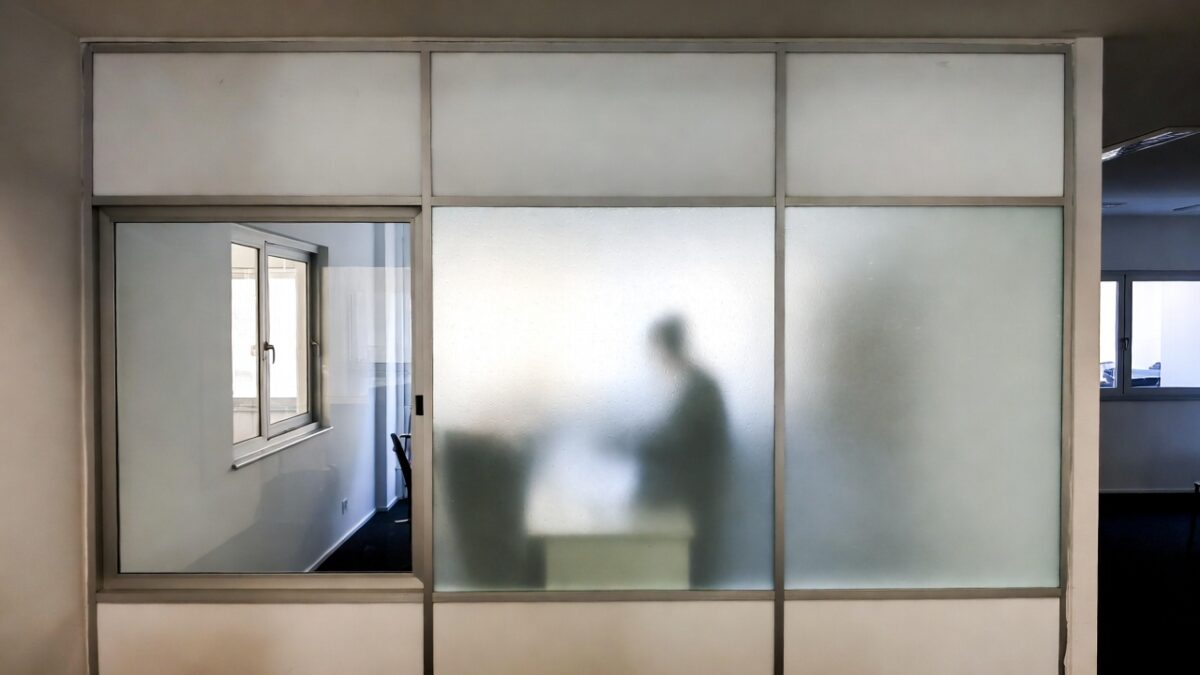
Decorative window films include frosted finishes, etched glass looks, stripes, gradients, and simple patterns. Some offices add logos for privacy and branding.

New local example. A medical clinic near Sheppard Avenue had glass rooms facing a hallway. Patients felt exposed and uneasy. Frosted decorative window film fixed the issue. Light stayed bright. Privacy returned. Curtains were removed.

Homeowners often use decorative window films on:

  • Bathroom windows
  • Front door glass panels
  • Side windows near entrances

Decorative window film focuses on appearance and soft privacy. It does not block heat like solar film. It works best where daylight is important.

This article shows how decorative film keeps privacy without killing light: decorative window film ideas.

Privacy Window Films in Toronto Condos and Houses

Privacy window films control what people can see through glass. They are widely used in Toronto condos and ground-level homes.

Privacy window films include frosted film, reflective film, and one-way mirror film. Each behaves differently based on light conditions.

One-way privacy film reflects daylight. During the day, people outside see a mirror effect. At night, indoor lighting can reduce that effect.

Frosted privacy window film blocks views day and night. This is why it works well for bathrooms and entry doors.

New condo example. A unit near Yonge and St Clair faced another tower only metres away. Curtains stayed closed all day. Frosted privacy window film let daylight in and blocked views. The room felt more open.

Many privacy window films also reduce UV and solar heat. This helps protect furniture and flooring.

This step-by-step guide explains how privacy films work in real homes: privacy window film for homes.

Office Window Films for Toronto and GTA Workspaces

Office window films help fix glare, heat, and privacy problems in workspaces. These problems show up fast in glass-heavy offices.

Toronto offices near Bay Street and Mississauga City Centre deal with strong sun. Screens get hard to see. Blinds close. Lights turn on.

Office window films filter sunlight instead of blocking it.

Common office window film options include:

  • Solar window films for heat and glare
  • Decorative films for meeting rooms
  • Neutral tints for comfort without dark glass

New business case. A small real estate office in Scarborough had glare every afternoon. Solar window film reduced glare enough that blinds stayed open. Staff stopped shifting desks.

Office window films install fast. Many installs happen after hours. No long downtime.

This overview helps businesses compare options: window films for offices and retail spaces.

Common Beginner Mistakes With Window Films

One common mistake is choosing film based only on darkness. Dark does not always mean cooler. Some clear window films block more heat.

Another mistake is using DIY film on large windows. Small bubbles and edges show fast. Peeling can start early.

Many people forget window direction. South-facing glass needs different film than north-facing glass.

This guide explains what to check before install: installing window films the right way.

Why Window Films Work Year-Round in Toronto

Window films help in every season. In summer, they cut heat and glare. In winter, they help keep indoor comfort steadier.

Search interest for window films rises every spring in Toronto. That’s when heat and glare become hard to ignore.

Window films now sit beside blinds and curtains as standard window treatments.

Helpful Resources About Window Films

Health Canada explains UV exposure and indoor sun safety here: Health Canada sun safety.

Natural Resources Canada explains how solar heat affects buildings and energy use: Natural Resources Canada energy efficiency.

Get Help With Window Films in Toronto and the GTA

If you are thinking about window films for your home, condo, or office, start with local advice.

Every building is different. The right film depends on light, glass type, and how the space is used.

If you want clear answers and professional installation, visit Tintly Window Films to ask questions or request a quote. A simple window film upgrade can fix heat, glare, and privacy in one move.

Categories
Window Film and Tints

Office Window Films vs Commercial Window Films: A Clear Guide for Toronto Businesses

Window films are one of the most searched upgrades for offices and commercial buildings in Toronto and the GTA. Business owners look for window films when offices feel too hot near the glass, screens glare all day, floors fade, or privacy feels wrong. Glass-heavy buildings look modern, but they create daily problems fast. That’s why searches like “window films Toronto,” “office window films,” and “commercial window films near me” keep going up every year.

This article explains window films in a simple, honest way. It uses real examples from Toronto, North York, Vaughan, Markham, Mississauga, and Scarborough. It breaks down office window films and commercial window films so you can pick what actually works, not what sounds good on a sales page.

Why Window Films Matter for Toronto and GTA Buildings

Toronto weather is tough on glass. Summer sun pours through windows and heats rooms fast. Winter makes glass feel cold and drafty. Spring and fall bring low sun that hits desks and counters right in the eyes.

Older offices near Bay Street often have large windows with no protection. Newer buildings in Vaughan and Markham use modern glass, but glare and heat still show up daily. Window films help manage these problems without changing the look of the building.

Window films reduce solar heat, soften harsh light, and block UV rays. UV rays fade carpets, desks, chairs, and store displays. Window films slow this damage and help interiors last longer.

Comfort improves too. People near windows stop overheating. People farther away stop freezing. It’s not fancy, but staff notice it quick.

If you want a basic breakdown of how window films work, this guide on window films basics explains it in clear terms.

Office Window Films and How They’re Used

Office window films are window films made for places where people sit and work for long hours. This includes open offices, private offices, boardrooms, meeting rooms, and reception areas.

The main job of office window films is comfort. They reduce glare on screens and lower heat while keeping natural light.

An office near Yonge and Bloor called after staff kept closing blinds before noon. Screens were hard to read. Desks moved every day. After installing office window films, glare dropped and blinds stayed open. The office felt calmer. Less movement. Less noise.

Office window films usually look clear or lightly tinted. Clients don’t really notice them, which matters in law firms, accounting offices, and clinics.

Privacy is another reason offices use window films. HR rooms and boardrooms often use frosted films. They block views but still let light through.

Most office window films block up to 99% of UV rays. This protects vinyl floors, desks, chairs, and artwork from fading. Offices with large windows see fading fast.

Common reasons offices install window films

  • Cut glare on computer screens
  • Lower heat near windows
  • Improve daily comfort
  • Add light privacy
  • Protect interiors from UV

For offices that need privacy without dark rooms, this article on privacy window film options explains different choices.

Commercial Window Films for Business Spaces

Commercial window films are a broader type of window films used across many business settings. This includes offices, retail stores, restaurants, gyms, clinics, warehouses, and mixed-use buildings.

Retail shops along Queen Street and in Mississauga plazas face strong sun most of the day. Displays fade and rooms heat up fast. Commercial window films help block UV and lower heat near storefront windows.

A clothing store in Brampton replaced mannequins twice in one year due to sun damage. After installing window films focused on UV protection, fading slowed and the store stayed cooler during peak summer hours.

Security also plays a role. Thicker safety window films help hold glass together if it breaks. This slows entry during smash-and-grab attempts and reduces flying glass.

Gyms and clinics use privacy window films so people inside feel comfortable while daylight still comes through. Restaurants use window films to reduce heat near kitchens and front windows.

If safety is a concern, this guide on security window films explains how they work.

Why businesses choose commercial window films

  • Protect products from sun damage
  • Reduce heat in large spaces
  • Add privacy in public areas
  • Improve glass safety
  • Lower cooling strain

Office Window Films vs Commercial Window Films

Office window films are a type of commercial window films. The difference comes down to how the window films are used.

Office window films focus on comfort and glare control. Commercial window films focus on performance across different building types.

Office films are usually lighter and subtle. Commercial films may be thicker, darker, or reflective.

Costs vary. Office window films often cost less per square foot. Commercial window films made for safety or heavy heat control cost more due to materials and install time.

Many Toronto buildings use both. Offices upstairs use office window films. Storefronts below use commercial window films.

Seasonal Problems Window Films Help With

Summer causes the most complaints. Sun angles shift. Heat builds fast. AC systems struggle.

Spring and fall bring glare issues. Low sun hits desks and counters directly. Screens become hard to read.

Winter feels different. Glass feels cold. Drafts form near windows. Some window films help reduce radiant heat loss, though they are not insulation.

Last spring, several North York offices called after morning glare made screens unusable. After installing office window films, glare dropped and blinds stayed open.

How to Choose the Right Window Films

Start with the problem. Not the film name.

If glare and comfort matter most, office window films usually work best. If fading, security, or heat in large spaces matter more, commercial window films are often better.

Glass type matters. Older glass reacts differently than modern double-pane glass.

Looks matter too. Offices usually want clear views. Retail spaces may want reflective looks. Gyms often want privacy.

This guide on choosing the right window film helps match film types to real needs.

Cost and Long-Term Value of Window Films

Window film pricing depends on film type, glass size, and building layout.

Office window films usually cost less than thicker security films. Both help save money by lowering cooling use and reducing interior damage.

Natural Resources Canada explains how reducing heat gain lowers energy use: Natural Resources Canada – Energy Efficiency.

The U.S. Department of Energy also explains how window treatments affect heat and glare: U.S. Department of Energy – Windows.

Local Experience With Window Films in Toronto

A mid-sized office near Eglinton and Don Mills installed window films after summer complaints increased. After installation, AC use dropped and staff stopped shifting desks.

A fitness studio in Vaughan used frosted commercial window films for privacy. Members felt more comfortable and daylight stayed strong.

These results came from choosing the right window films, not guessing.

Talk to a Local Window Film Installer

If you are searching for window films in Toronto or the GTA, working with a local installer helps avoid mistakes. Local installers understand building styles, sun paths, and seasonal issues.

The right window films improve comfort, protect interiors, and lower long-term costs.

To get help choosing window films for your office or business, visit Tintly Window Films and speak with a local window film specialist.

Categories
Window Film and Tints

Window Films for Toronto Homes: A Practical Look at How They Work and Why People Install Them

Window films are one of the most searched home improvement topics in Toronto and the GTA. People search for window films when their home feels too hot in summer, too cold near windows in winter, or when privacy and glare become daily problems.

If you live in Toronto, Scarborough, Mississauga, Vaughan, or Markham, this is common. New condos use full glass walls. Older homes have wide windows with little insulation. All that glass brings light, but it also brings heat, cold, and fading. Window films are used to fix those issues without replacing windows.

Window films are thin layers installed directly on existing glass. They change how glass handles sunlight, heat, and visibility. The window frame stays the same. The glass just behaves better.

Many homeowners start by learning the basics of window films, then choose a specific option once they understand what problem shows up the most in their home.

How Window Films Change the Way Glass Works

Plain glass lets sunlight pass through easily. Once that sunlight enters a room, it turns into heat and gets trapped inside. That is why one bright room can feel much warmer than the rest of the house.

Window films add working layers to the glass. Each layer has a clear job.

  • Solar layers reduce heat and glare
  • UV layers help slow fading on floors and furniture
  • Privacy layers limit what people see from outside
  • Safety layers help keep broken glass together

After installation, window films stay in place all the time. There is nothing to open or close. No daily steps. They just sit on the glass and work.

A condo owner near Spadina and Front contacted us after their west-facing unit became too bright and hot by late afternoon. After adding solar window films, glare dropped and the room stayed usable without blocking the view.

Why Window Films Matter in Toronto and GTA Weather

Toronto weather is rough on windows. Summer sun can be intense. Winter cold makes glass feel icy, even indoors.

In July, south- and west-facing windows collect heat fast. In January, those same windows feel cold even when the thermostat says the room is warm.

Window films help reduce heat coming in during summer and slow heat loss through glass during winter. They do not replace insulation, but they help glass act more like a solid surface.

This matters across the GTA. Downtown condos deal with constant sun exposure. Homes in East York or The Beaches have older windows. Townhouses sit close together and struggle with privacy.

A family in Ajax added window films after noticing their living room stayed cold near the windows in winter and overheated in summer. After installation, the room felt more even through the year.

Problems Window Films Are Commonly Used to Fix

Most people do not install window films for style first. They install them to solve real problems.

  • Rooms that overheat in summer
  • Glare on TVs and computer screens
  • Lack of daytime privacy
  • Fading on floors, rugs, and furniture
  • Cold spots near windows in winter

Many homeowners are surprised how much comfort improves once window films are installed.

Types of Window Films Used in Residential Homes

Not all window films do the same thing. Choosing the right type depends on the problem.

Solar Window Films

These films focus on reducing heat and glare. They are common in living rooms, condos, and home offices.

Some solar films are lightly tinted. Others are nearly clear. The goal is comfort, not dark rooms.

UV Blocking Window Films

These films block UV rays while keeping windows clear. They help protect hardwood floors, furniture, and artwork.

Homes with large sun-facing windows often choose this option.

Privacy Window Films

Privacy films reduce visibility from outside during the day. They are popular for front-facing windows and bathrooms.

This guide on privacy window films explains what works best in real homes.

Decorative and Frosted Window Films

These add privacy while keeping light. They are often used in bathrooms, entryways, and stairwells.

Safety and Security Window Films

Security window films help hold glass together if broken. They slow forced entry and reduce glass injuries.

Ground-floor windows and sliding doors benefit the most. Learning about security window films helps decide if this option makes sense.

Window Films vs Replacing Windows

Many homeowners ask if replacing windows is the better move.

Replacement makes sense when frames are damaged or seals have failed. But many windows are still solid. They just let in too much heat or light.

Window films cost less, install faster, and avoid construction mess. They fix comfort problems without removing windows.

A homeowner in Pickering was quoted over $40,000 for new windows. Window films reduced heat and glare for a small part of that cost.

Real Use Across the GTA

A semi-detached home near Pape Avenue added window films to front windows to block street views while keeping daylight. Curtains stayed open. Privacy stayed.

A home office in Vaughan added window films to reduce screen glare. Work became easier without closing blinds all day.

Window films are used in condos, houses, and townhomes because the problems are similar.

Learning More About Window Films

This short video explains how window films work in plain terms: How Window Film Works – YouTube.

For neutral information on energy use in Canadian homes, Natural Resources Canada offers helpful guidance: Natural Resources Canada – Energy Efficiency.

Thinking About Window Films for Your Home?

If your home feels too hot, too exposed, or uncomfortable near windows, window films are worth a closer look.

Not every film fits every window. Local experience helps avoid mistakes.

Learn more about window films and residential installation options with Tintly Window Films. A short chat often saves months of trial and error.