In this guide, we will explore the different levels of window tint darkness, the benefits they offer, and how to select the right shade for your needs. Whether you’re an interior designer looking to enhance a client’s space or a homeowner aiming to improve energy efficiency, this article will provide the insights you need. We will delve into the specifics of tinting options, legal considerations, and the practical implications of your choice, helping you make an informed decision.

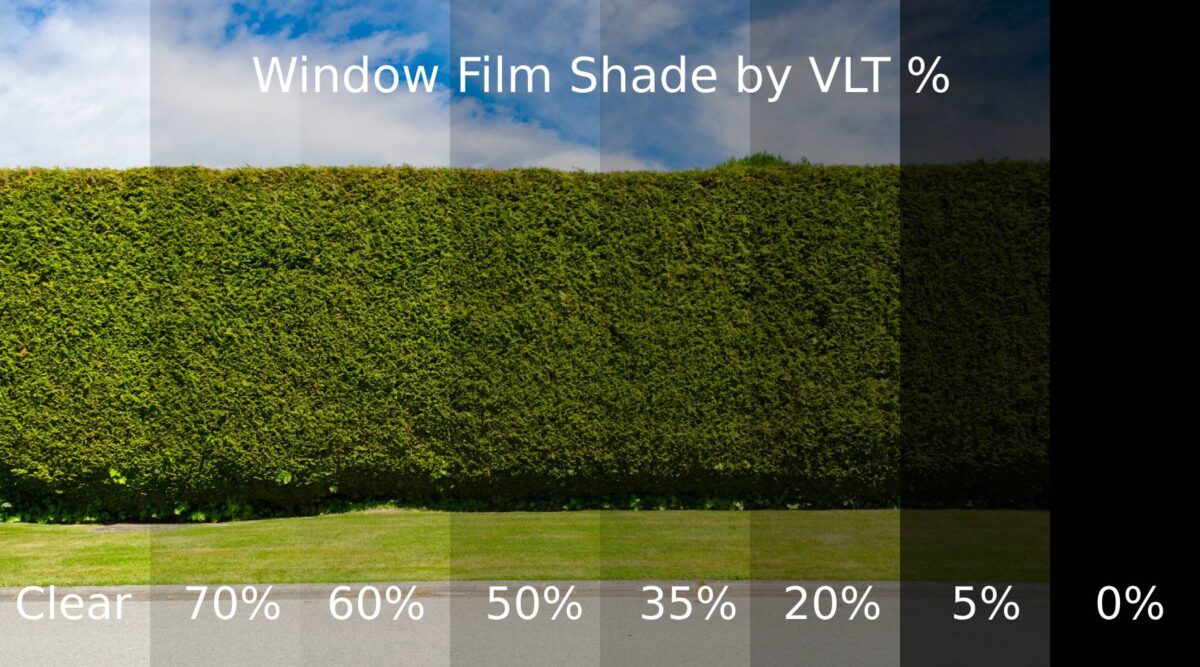
Window tint darkness is measured by the percentage of visible light transmission (VLT) that it allows. A lower VLT percentage means less light passes through the tint, resulting in a darker shade. This measurement is critical in determining how much privacy and light control you will have. For those unfamiliar with VLT, understanding this metric is the first step in choosing the right tint.
Here’s a breakdown of the common VLT percentages and what they imply:
- 5% VLT: Known as “limo tint,” it allows only 5% of the light to pass through. It offers maximum privacy but can be too dark for some applications. This level of darkness is often used in situations where privacy is paramount, such as in celebrity vehicles or security-conscious homes.
- 20% VLT: Provides significant privacy while still allowing visibility from inside, often used in rear windows. This balance of privacy and visibility makes it a popular choice for those who want to obscure the view into their vehicle without sacrificing too much outward visibility.
- 35% VLT: Offers a good balance between privacy and visibility and is a popular choice for both cars and homes. This level of tint is often recommended for those who want a noticeable difference in glare reduction and privacy without creating a too-dark interior environment.
- 50% VLT: Allows more light in, providing some privacy and glare reduction without darkening the space too much. It’s ideal for those who want to maintain a brighter interior while still benefiting from some tinting advantages.
- 70% VLT: Almost clear, mainly used for UV protection and to reduce glare without altering the appearance of the windows. This option is excellent for those who want the functional benefits of tinting, such as UV protection, without changing the look of their windows.
Benefits of Different Window Tint Shades

Choosing the right window tint shade goes beyond aesthetics. Each shade offers distinct benefits, including:
- Privacy: Darker tints provide more privacy by limiting visibility from the outside. This can be particularly advantageous in densely populated areas or for those who value their privacy.
- Glare Reduction: Tints with lower VLT reduce glare significantly, which is particularly beneficial for reducing eye strain while driving or watching TV. This can enhance comfort and safety, especially during sunny days or when driving at dawn and dusk.
- Heat Rejection: Darker tints can block more heat, making interiors more comfortable and reducing the load on air conditioning systems. This can lead to cost savings on energy bills and increase the longevity of your AC system.
- UV Protection: Most tints block harmful UV rays, protecting interior furnishings from fading and helping to prevent skin damage. This is a crucial factor in maintaining the quality of your interiors and safeguarding your health.
Legal Considerations
Before deciding on a window tint, it’s crucial to check local regulations regarding tint darkness. Many regions have specific laws about the maximum allowable VLT for vehicle windows to ensure safety on the road. These laws are put in place to ensure that drivers have adequate visibility, which is essential for safe driving.
For homeowners, while there are typically fewer restrictions, it’s wise to consider homeowner association rules or neighborhood covenants that might affect your choice. Some communities have guidelines on the appearance of homes, and window tinting could fall under these regulations.
Choosing the Right Tint for Cars
When selecting a tint for your car, consider the following factors:
Aesthetic Preference
Your car’s appearance is a reflection of your style. A darker tint can give a sleek, modern look, while a lighter tint maintains a classic appearance. Consider the color of your car as well—some tints complement certain car colors better than others. A well-chosen tint can enhance the overall aesthetic of your vehicle, adding to its value and your personal satisfaction.
Functional Needs
Think about why you’re tinting your car windows. If privacy is your main concern, a darker tint will be more appropriate. For those who often drive in sunny areas, a higher heat rejection tint can improve comfort significantly. It’s also important to consider your driving habits and the typical weather conditions in your area when making your choice.
Safety and Visibility
While darker tints offer more privacy, they can also limit night visibility. It’s crucial to balance privacy with safety, especially for front windows, where clear visibility is a must for safe driving. Consider opting for lighter tints on front windows to ensure safety while driving, particularly at night or in poor weather conditions.
Choosing the Right Tint for Homes
For residential applications, window tinting can enhance both comfort and energy efficiency. Here are some considerations:
Energy Efficiency
Window films with higher heat rejection can significantly reduce cooling costs by keeping interiors cooler. This is especially beneficial for windows that receive a lot of sunlight. By blocking heat, these tints help maintain a consistent indoor temperature, reducing the need for air conditioning and saving on energy bills.
Aesthetic Appeal
Homeowners often choose window tints that complement their interior design. Neutral tints offer UV protection and energy savings without altering the view or the amount of natural light. The right tint can enhance the beauty of your home, adding to both its curb appeal and interior ambiance.
Privacy and Security
In areas where privacy is a concern, such as ground floor windows, darker tints can provide a sense of security without the need for heavy curtains or blinds. This can enhance the feeling of safety in your home while maintaining a modern, uncluttered look.
Installation and Maintenance

by Waldemar (https://unsplash.com/@waldemarbrandt67w)
Once you’ve selected your tint, professional installation is recommended. Experienced installers ensure that the film is applied smoothly and correctly, avoiding bubbles or peeling. Proper installation is crucial to achieving the desired aesthetic and functional outcomes of your window tint.
For maintenance, avoid using ammonia-based cleaners on tinted windows, as they can damage the film. Instead, use a soft cloth and a mild cleaner to keep your windows looking their best. Regular maintenance will prolong the life of your tint and ensure it continues to provide the benefits you intended.
Conclusion
Choosing the right darkness for your window tint involves balancing your aesthetic preferences with functional needs and legal requirements. Whether you’re enhancing a vehicle or improving a living space, the right tint can offer privacy, protection, and energy efficiency. By carefully considering your specific needs and researching the options available, you can make a choice that best suits your lifestyle.
By understanding the different options and their benefits, you can make an informed decision that enhances both the appearance and comfort of your space. For the best results, consider consulting with a professional window film installer to ensure quality and precision. This professional insight can also help you navigate any legal considerations and optimize the performance of your tint.
In summary, window tinting is more than just a stylistic choice. It is an investment in comfort, privacy, and energy savings, tailored to meet your specific needs and preferences. With the right information and guidance, you can transform your vehicle or home into a more pleasant and energy-efficient space.