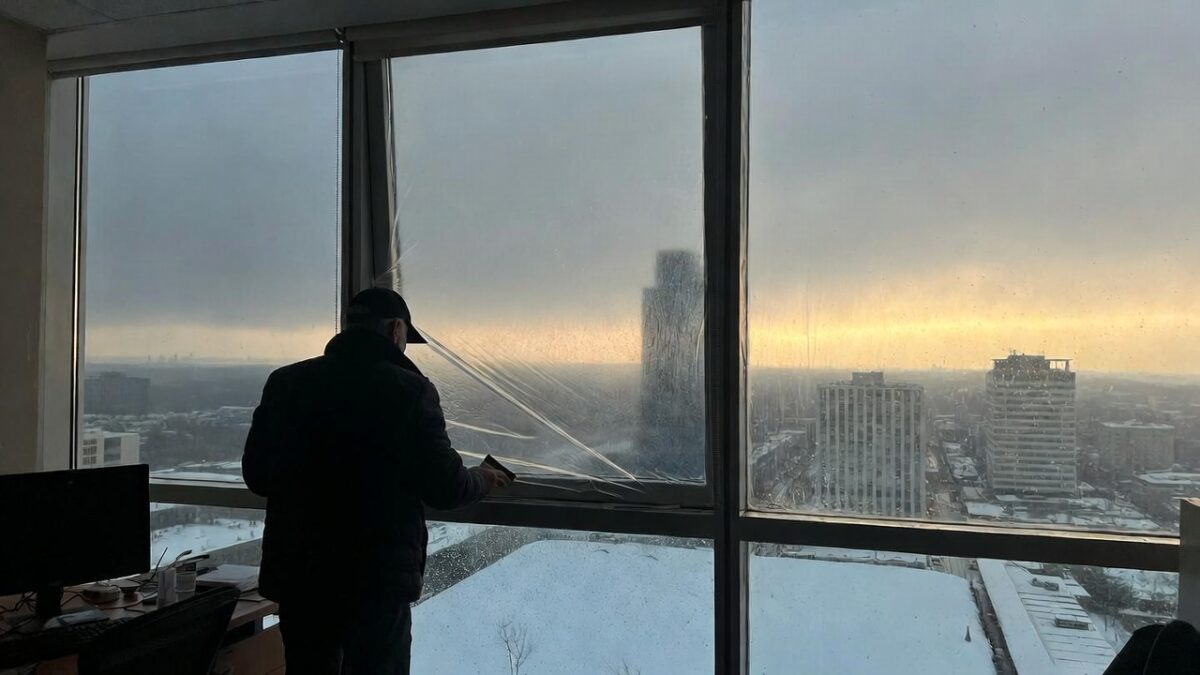
As the chill of winter creeps in, many homeowners start to feel those unwelcome cold drafts sneaking through their windows. While there are several solutions to combat this, one that stands out for its efficiency and ease of installation is window films. But do window films really help keep out cold winter drafts? Let’s explore how these innovative window insulation solutions can enhance your home’s comfort and energy efficiency.

Understanding Window Films
Window films are thin layers of material applied directly to glass surfaces. They serve several purposes, such as reducing glare, adding privacy, and most importantly, improving insulation. When it comes to draft-proof windows, window films act as an additional barrier that helps prevent heat loss and keeps cold air out.
How Do Window Films Work?
Window films work by adding a layer of protection that enhances the insulating properties of your windows. They are designed to reduce the amount of heat transfer through the glass. During winter, they help retain heat inside your home by reflecting the warm air back into the room and blocking the cold air from penetrating through the glass. This can significantly reduce the discomfort caused by cold drafts.

Benefits of Window Films for Winter Drafts
The benefits of using window films for winter drafts extend beyond just comfort. Here are some key advantages:
- Energy Efficiency: By reducing heat loss, window films can lower your heating costs. This makes them an eco-friendly solution that contributes to energy conservation.
- Cost-Effective: Compared to replacing your windows entirely, window films are a more affordable option for improving insulation.
- Easy Installation: Window films can be applied quickly and with minimal disruption to your home. Many products are designed for DIY installation, although professional services ensure the best results.
- Aesthetic Versatility: Available in various tints and patterns, window films can enhance the aesthetic appeal of your home while providing functional benefits.
Installing Window Films: A Step-by-Step Guide
For those interested in a DIY approach, installing window films can be a straightforward process. Here’s a simplified guide to help you get started:
- Select the Right Film: Choose a window film designed for insulation. Look for products labeled as “insulating” or “energy-saving”.
- Clean the Windows: Ensure the glass surface is clean and free of dust or debris. This will help the film adhere properly.
- Measure and Cut the Film: Measure your windows and cut the film to size, allowing a bit of extra material around the edges.
- Apply the Film: Using a spray bottle, lightly mist the window with water. Peel the backing off the film and apply it to the wet window surface.
- Smooth Out Air Bubbles: Use a squeegee to gently smooth out any air bubbles, starting from the center and working your way outwards.
- Trim the Edges: Once the film is applied, carefully trim any excess material with a utility knife for a clean finish.

by Garvit Nama (https://unsplash.com/@garvitnama)
Professional Installation: When to Consider It
While DIY installation is possible, there are times when professional installation is recommended. Professional installers have the expertise to handle larger or more complex windows, ensuring a seamless application. Additionally, they can advise on the best products for your specific needs, guaranteeing optimal results.
Professional vs. DIY: What’s Best for You?
Choosing between professional and DIY installation depends on several factors:
- Window Size and Complexity: Larger windows or those with intricate designs may require professional expertise.
- Desired Outcome: For homeowners seeking a flawless finish, professional installation is the way to go.
- Budget Considerations: While DIY is cost-effective, professional services often come with warranties that provide peace of mind.
Enhancing Your Home’s Interior with Window Films
Interior designers often look for solutions that blend functionality with style. Window films offer both. Beyond their insulating properties, they can complement the interior design of a home. Here’s how they can be integrated into your design plans:
Creating a Cohesive Look
Window films come in various tints and patterns, allowing you to choose options that match your interior decor. Whether you prefer a minimalist look or a bold statement, there’s a film to suit your taste.
Adding Privacy and Security
Some window films also provide privacy without sacrificing natural light. This is ideal for ground-floor rooms or homes close to neighbors. Moreover, certain films can strengthen glass, adding an extra layer of security.
Enhancing Natural Light
While reducing glare, window films can still allow natural light to fill your spaces. This helps maintain a bright and welcoming environment, even in the depths of winter.
Conclusion: Are Window Films the Right Choice for You?
Window films are a practical and effective solution for keeping out cold winter drafts. They offer a balance of energy efficiency, cost savings, and aesthetic enhancement. Whether you’re a homeowner looking to increase comfort or an interior designer seeking innovative solutions, window films provide a versatile option.
By understanding the benefits and installation process, you can make an informed decision about whether window films are the right choice for your home. As with any home improvement project, consider consulting with a professional to explore all available options and ensure the best results for your needs.
Incorporate window films into your winter preparation strategy and enjoy a warmer, more comfortable living space without the hassle of cold drafts.