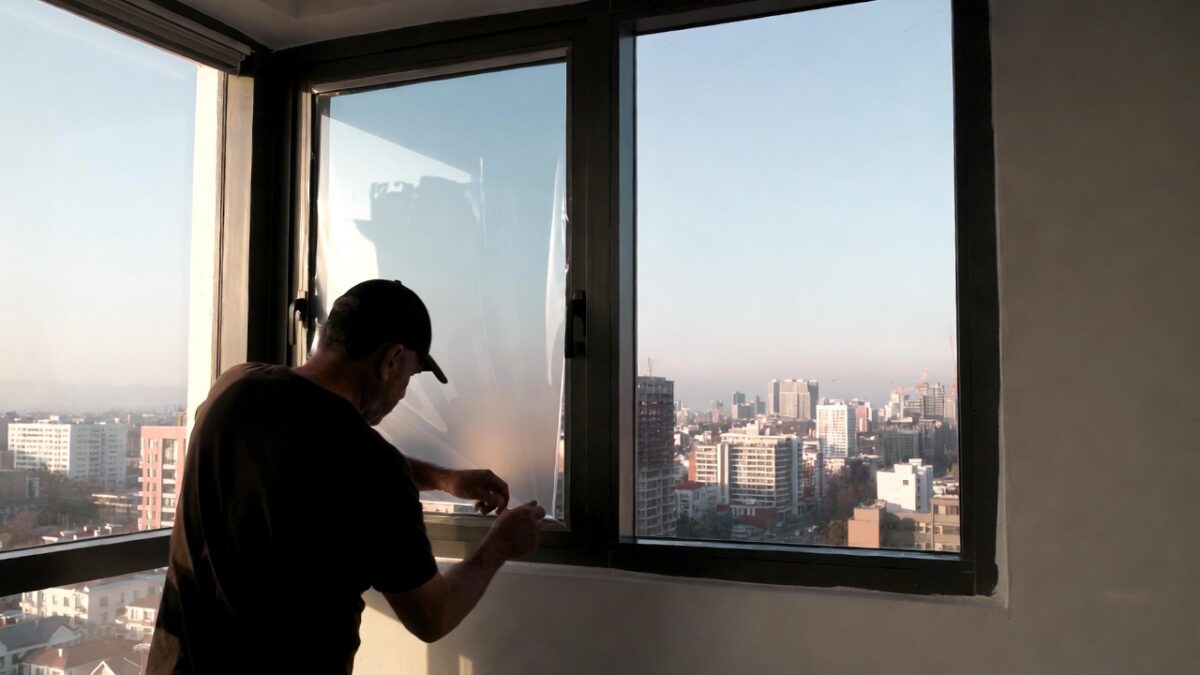
Solar film for windows is an innovative solution that offers numerous benefits for both residential and commercial properties. Whether you’re an interior designer looking to enhance energy efficiency while maintaining aesthetic appeal, or a homeowner aiming to improve comfort and reduce energy costs, solar window film is a versatile choice. It serves as an effective method to not only enhance the visual appeal of your property but also contribute to a sustainable lifestyle by minimizing environmental impact.
In this article, we explore the best applications for solar film, helping you understand how it can transform spaces, provide environmental benefits, and offer cost savings. From enhancing the comfort of living spaces to protecting commercial investments, solar film is an investment with far-reaching benefits. We will delve into the specifics of how solar film operates, its numerous advantages, and how it can be applied across different settings to maximize its potential.

Understanding Solar Window Film
Solar window film is a thin laminate that can be applied to the interior or exterior of glass surfaces in homes, offices, and vehicles. It is designed to reduce heat and glare from the sun, block harmful UV rays, and enhance privacy. The application of solar film is a straightforward process that can transform any glass surface into a high-performance component of your building’s energy management system.
The technology behind solar window film is rooted in its ability to selectively manage the energy and light passing through glass. It not only regulates temperature but also significantly increases the lifespan of interior furnishings by preventing sun damage. This dual functionality makes solar film a valuable addition to any space, offering both aesthetic and practical benefits.
How Solar Window Film Works
The film works by reflecting or absorbing solar energy, which helps to regulate indoor temperatures. It can significantly reduce the amount of heat entering through windows, making spaces cooler and reducing the need for air conditioning. This can lead to substantial energy savings, particularly in climates with intense sunlight and high temperatures.
Solar window film also acts as a barrier against UV rays, which are not only harmful to skin but also cause fading of furniture, flooring, and artwork. By blocking up to 99% of these rays, solar film preserves the vibrancy and integrity of your interiors. Furthermore, the reduction of glare enhances the comfort of indoor environments, making them more pleasant for activities such as reading, working, or watching television.
Benefits of Solar Window Film
- Energy Efficiency: By reducing heat gain, solar film lowers the demand for cooling systems, leading to lower energy bills. This efficiency gain is particularly beneficial during peak summer months when air conditioning costs can soar.
- UV Protection: It blocks up to 99% of harmful UV rays, protecting furniture, flooring, and artwork from fading. This protection extends the life of your interior investments, maintaining their appearance and value over time.
- Glare Reduction: The film minimizes glare on screens and surfaces, improving comfort and visibility. This is especially advantageous in work environments, where screen glare can lead to eye strain and decreased productivity.
- Privacy: Tinted or reflective films increase privacy without sacrificing natural light. This added privacy is ideal for urban environments where buildings are closely spaced, and maintaining a sense of personal space can be challenging.

Best Applications for Solar Film
Solar window film is suitable for a variety of applications, each offering unique benefits. Here are some of the best ways to utilize solar film:
Residential Applications
- Living Rooms and Bedrooms
Solar film can make living rooms and bedrooms more comfortable by reducing heat and glare. It allows you to enjoy natural light without worrying about excessive heat or UV damage to your interiors. By maintaining a consistent indoor temperature, solar film can also contribute to a more restful sleep environment, as temperature fluctuations are minimized.
Beyond comfort, solar film adds a layer of protection for your furniture and décor, preserving their condition and appearance. In spaces where aesthetics are important, such as living rooms and bedrooms, the film can help maintain the integrity of your interior design choices.
- Kitchens and Dining Areas
In spaces where you cook and dine, solar film helps maintain a pleasant temperature, making these areas more enjoyable for family gatherings and meals. The reduction of heat gain ensures that these high-traffic areas remain comfortable, even during the hottest parts of the day.
Moreover, solar film in kitchens can protect against UV damage to cabinetry and flooring, which are often significant investments. The film’s glare reduction also enhances the dining experience, making it more comfortable for guests and family members alike.
- Sunrooms and Conservatories
Sunrooms benefit greatly from solar window film, as they often experience intense sunlight. The film allows you to enjoy these spaces year-round without overheating. By moderating temperature, solar film extends the usability of sunrooms and conservatories, turning them into true all-season spaces.
In addition to temperature control, solar film helps protect plants and other items commonly found in sunrooms from excessive UV exposure. This ensures that your indoor garden or collection of outdoor furniture remains in optimal condition.
Commercial Applications
- Office Buildings
Installing solar film in office buildings can enhance employee comfort, reduce glare on computer screens, and contribute to a productive work environment. Comfortable workspaces lead to increased morale and productivity, making solar film a valuable investment for businesses.
Beyond the immediate benefits, solar film can also contribute to a company’s sustainability goals. By reducing energy consumption, businesses can lower their carbon footprint and potentially qualify for green building certifications, enhancing their reputation as environmentally responsible enterprises.
- Retail Spaces
For retail stores, solar film protects merchandise from UV damage while maintaining a comfortable shopping environment for customers. This protection ensures that products remain in pristine condition, reducing the likelihood of returns due to sun damage.
Additionally, by creating a more pleasant shopping experience, solar film can encourage longer customer visits and increased sales. The film’s ability to maintain a consistent and comfortable temperature is crucial in retail settings where customer comfort directly impacts sales performance.
- Restaurants and Cafes
Patrons dining near windows appreciate the reduced glare and cooler temperatures that solar film provides, enhancing their overall experience. Comfortable dining environments can lead to increased customer satisfaction and repeat business.
Moreover, solar film contributes to a restaurant’s ambiance by allowing natural light to filter through while minimizing harsh glare. This creates a welcoming atmosphere that can enhance the dining experience and support a venue’s aesthetic appeal.
Automotive Applications
Solar film is also popular in vehicles, where it can reduce heat and glare, protect interiors from UV damage, and provide privacy for passengers. The application of solar film in vehicles enhances driving comfort and safety by minimizing sun-related distractions and reducing the risk of interior fading.
In addition to personal vehicles, solar film can be a valuable addition to commercial fleets, helping to maintain vehicle interiors and improve passenger comfort. This can be particularly important for businesses that rely on vehicles for customer service, such as taxis or rideshare services.
Choosing the Right Solar Film
Selecting the right solar film involves considering factors such as the level of tint, reflectivity, and specific needs of the space. Each type of film offers distinct advantages, and choosing the right one requires an understanding of your particular goals and preferences.
Types of Solar Film
- Reflective Film
Reflective film offers high heat rejection and excellent glare reduction. It is ideal for spaces requiring maximum privacy and energy efficiency. The mirrored appearance of reflective film can also add a modern and sleek look to buildings, enhancing their exterior aesthetics.
This type of film is particularly suitable for commercial properties where privacy and energy savings are top priorities. Reflective film can help businesses reduce operational costs while maintaining a professional and polished appearance.
- Neutral Film
Neutral films are less reflective and maintain a more natural appearance. They are suitable for residential applications where aesthetics are a priority. This type of film allows for the enjoyment of natural light while providing the benefits of heat and UV reduction without significantly altering the look of your windows.
For homeowners who prioritize the visual appeal of their spaces, neutral films offer a subtle and effective solution. They blend seamlessly with various architectural styles and interior designs, ensuring that your home’s appearance remains cohesive and attractive.
- Spectrally Selective Film
These films selectively filter out UV and infrared light while allowing visible light to pass through. They provide excellent heat rejection without darkening the interior. Spectrally selective films are ideal for those who want to maximize energy efficiency while preserving the natural brightness of indoor spaces.
This type of film is especially beneficial in environments where maintaining a bright and welcoming atmosphere is important, such as schools or healthcare facilities. By allowing natural light to illuminate spaces, spectrally selective films can contribute to healthier and more productive environments.
Installation Considerations
Professional installation is recommended to ensure optimal performance and longevity of the film. Experts can advise on the best type of film for your specific needs and ensure a flawless application. Professional installers have the experience and tools necessary to avoid common issues such as bubbling or peeling, ensuring a smooth and durable finish.
In addition to proper installation, professionals can provide valuable insights into maintenance practices and warranty options, helping you protect your investment. Choosing an experienced installer can make a significant difference in the performance and lifespan of your solar film.
by K8 (https://unsplash.com/@_k8_)
Maintenance and Longevity
Solar window film is a low-maintenance solution that can last for many years with proper care. Understanding how to care for your solar film can maximize its benefits and extend its useful life.
Cleaning and Care
To maintain the film, clean windows with a mild soap solution and a soft cloth. Avoid using abrasive materials or ammonia-based cleaners, as they can damage the film. Regular cleaning not only keeps your windows looking their best but also ensures that the film continues to perform effectively.
By following recommended cleaning practices, you can prevent scratches and other damage that might compromise the film’s appearance and functionality. Routine care helps maintain the clarity and protective qualities of your solar film, ensuring long-term satisfaction.
Longevity
High-quality solar films can last up to 15 years or more, depending on environmental conditions and the quality of installation. Regular inspections can help identify any areas needing repair or replacement. By addressing any issues promptly, you can prevent further damage and maintain the film’s performance.
The longevity of solar film is one of its most attractive features, offering a long-term solution for energy savings and UV protection. With proper maintenance, your solar film can continue to provide benefits for many years, making it a cost-effective investment.
Environmental and Financial Impact
The environmental benefits of solar window film are significant. By reducing energy consumption, solar film lowers carbon footprints and supports sustainable living. This reduction in energy use not only benefits the environment but also aligns with global efforts to combat climate change.
Financial Savings
While there is an upfront cost for solar film installation, the long-term savings on energy bills can be substantial. Many property owners find that the investment pays for itself within a few years. The reduction in energy consumption leads to lower utility costs, freeing up resources for other investments or savings.
In addition to direct savings, solar film can increase the value of your property by enhancing its energy efficiency. Prospective buyers or tenants often seek properties with sustainable features, making solar film an attractive selling point.
Green Building Certifications
Installing solar window film can contribute to green building certifications such as LEED, enhancing the value and appeal of properties. Achieving these certifications can provide a competitive advantage in the real estate market, attracting environmentally conscious buyers and tenants.
Green building certifications are increasingly important in today’s market, as more individuals and businesses prioritize sustainability. By investing in solar film, property owners can demonstrate their commitment to environmental responsibility and energy efficiency.
Conclusion
Solar film for windows offers a versatile and effective solution for improving energy efficiency, comfort, and aesthetics in both residential and commercial spaces. By understanding the various applications and benefits, you can make informed decisions that enhance the value and functionality of your property. Solar film represents a smart investment in a future where energy efficiency and sustainability are paramount.
Whether you’re an interior designer or a homeowner, embracing solar film technology can lead to significant improvements in comfort, cost savings, and environmental impact. With expert installation and proper care, solar window film is a smart investment in a sustainable and stylish future. By choosing solar film, you’re not only investing in your property but also contributing to a more sustainable world.