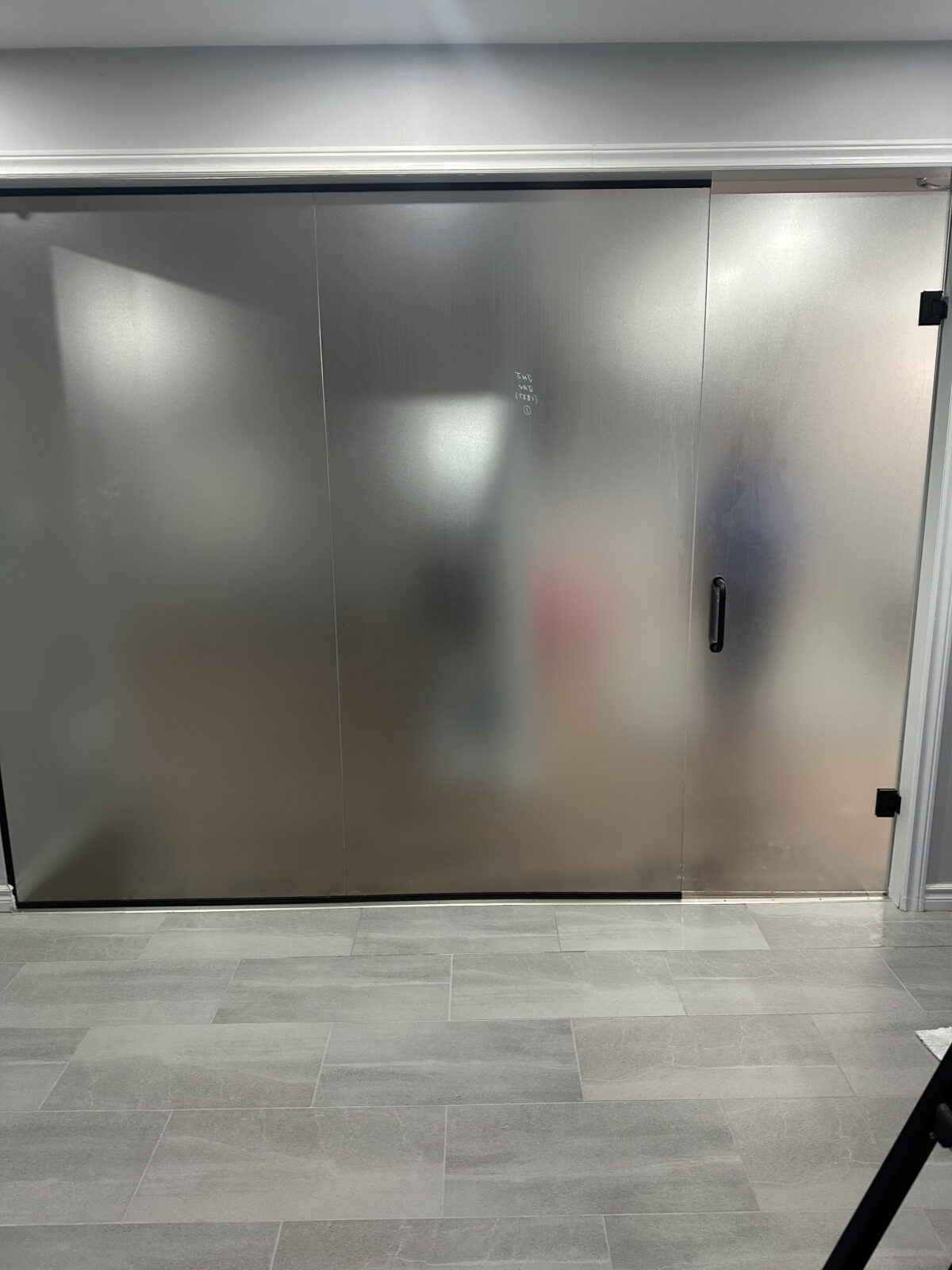
When it comes to enhancing privacy and style in homes or offices, frosted window film offers a versatile solution. This article will explore key facts about frosted window film, focusing on its benefits, applications, and installation. Whether you’re an interior designer seeking cost-effective solutions or a homeowner looking to enhance your space, frosted window film might just be the answer. With its ability to transform any ordinary glass surface into a sophisticated feature, it serves both functional and decorative purposes, making it a favorite in modern design.
Frosted window film is not only about aesthetics; it also plays a crucial role in energy efficiency and environmental sustainability. As we delve deeper into its various aspects, you’ll discover why it has become an increasingly popular choice among designers and homeowners alike. From reducing glare to providing an eco-friendly alternative to traditional window treatments, frosted window film presents a multitude of advantages that cater to both practical needs and personal style preferences.
Frosted window film is a thin, adhesive sheet applied to glass surfaces. It mimics the appearance of frosted glass, offering privacy while allowing light to filter through. This product is typically made from durable materials like vinyl or polyester and can be used in various settings, from residential homes to commercial offices. The technology behind frosted window film allows it to be easily tailored to fit different window sizes and shapes, providing a customizable solution for unique architectural features.
Moreover, frosted window film is available in a variety of shades and patterns, enabling users to achieve specific aesthetic goals. Whether you prefer a minimalist frosted look or intricate designs, there are options to suit every taste. Additionally, the film’s ability to diffuse light softly throughout a space can create a warm and inviting atmosphere, enhancing the overall ambiance of the room. Its versatility extends beyond mere privacy; it can also be used to add a touch of creativity and personalization to any glass surface.
Frosted window film offers several advantages that make it an attractive choice for many. Here are some of the key benefits:
- Enhanced Privacy: One of the primary reasons people choose frosted window film is for privacy. It obscures the view from outside, making it ideal for bathrooms, bedrooms, and street-facing windows. This level of privacy is especially beneficial in urban areas where buildings are closely situated, and maintaining personal space can be challenging. Moreover, the film provides peace of mind by ensuring that interiors remain private without the need for heavy drapes or blinds.
- Aesthetic Appeal: Frosted window film can add a touch of elegance to any room. Available in various patterns and designs, it can complement a wide range of interior styles, making it a favorite among interior designers. Whether aiming for a classic, contemporary, or avant-garde look, frosted films can be seamlessly integrated into any design scheme. Additionally, the ability to customize the film with specific patterns or logos allows homeowners and businesses to express individuality and brand identity creatively.
- Cost-Effective: Compared to installing frosted glass, window film is more affordable. It provides a similar look at a fraction of the cost, making it a practical option for budget-conscious homeowners. This affordability does not compromise quality, as modern films are designed to withstand wear and tear, maintaining their appearance over time. Furthermore, the lower cost enables homeowners to update multiple windows or large glass surfaces without financial strain.
- Easy Installation and Removal: Frosted window film is relatively easy to apply and can be removed without damaging the glass. This makes it perfect for renters or anyone looking to update their décor without a permanent commitment. The installation process can often be completed as a DIY project, saving on professional installation fees. Moreover, its temporary nature allows for seasonal or style changes, providing flexibility for those who like to refresh their space regularly.
- Energy Efficiency: By reducing glare and blocking out UV rays, frosted window film can help maintain comfortable indoor temperatures, potentially lowering energy bills. The film acts as a barrier against solar heat gain, keeping interiors cooler in the summer and warmer in the winter. This not only enhances comfort but also contributes to energy savings, making it an eco-friendly choice for environmentally conscious individuals.
Frosted window film is incredibly versatile and can be used in various settings. Here are some common applications:
In homes, frosted window film is often applied to bathroom windows, glass shower doors, and kitchen cabinets. It’s also popular for street-facing windows where privacy is a concern. By using frosted film, homeowners can enjoy natural light without compromising on privacy. Additionally, the use of frosted film in children’s rooms or play areas ensures safety by preventing breakable glass from becoming a hazard.
Homeowners also appreciate the design possibilities that frosted window film offers. From creating a serene spa-like atmosphere in the bathroom to adding a modern touch to kitchen cabinets, the film can be used to enhance the aesthetic appeal of different areas. Furthermore, its application is not limited to windows; glass room dividers or doors can also benefit from frosted film, providing both privacy and style.
In office settings, frosted window film is used to create private meeting rooms or to add a professional touch to glass partitions. It can also be customized with company logos or designs, providing both functionality and branding. This application is particularly valuable in open-plan offices where noise reduction and privacy are important. Additionally, the film can be used to delineate different departments or zones within a large office space, enhancing both organization and design.
The use of frosted film in commercial environments extends to retail spaces as well, where it can be employed to create an inviting storefront while maintaining an element of privacy. In hospitality sectors like hotels and restaurants, frosted film can contribute to a luxurious atmosphere, enhancing guest experience by offering discreet and elegant spaces.
Frosted window film isn’t just for privacy. Its decorative potential is vast. Designers can use it to create patterns, logos, or artistic designs on glass surfaces, turning plain windows into works of art. These creative applications are not limited to professional designers; homeowners with a flair for creativity can also use frosted film to personalize their space. By combining different patterns and textures, unique designs can be achieved that reflect personal style and taste.
Furthermore, frosted window film can be used seasonally or for special events, as it is easy to apply and remove. This allows for temporary transformations that can celebrate holidays or special occasions, adding a festive touch to any space. The decorative use of frosted window film thus provides endless opportunities for artistic expression and innovation.
Installing frosted window film is a straightforward process, but it requires precision to achieve a professional finish. Here’s a step-by-step guide:
Before you begin, you’ll need the following materials: frosted window film, a spray bottle filled with soapy water, a squeegee, a utility knife, and a measuring tape. Having these tools at hand ensures a smooth installation process, reducing the likelihood of errors. The quality of the materials, especially the film and utility knife, can significantly impact the final result, so investing in high-quality products is advisable.
It’s also beneficial to have a clean, dust-free workspace prepared before starting the installation. This helps prevent any debris from getting trapped under the film, which can cause bubbles or imperfections. Additionally, having a second pair of hands can be helpful, particularly when applying film to larger surfaces, ensuring that the film is aligned and applied evenly.
Measure the glass surface you want to cover and cut the film slightly larger than necessary. This will allow for adjustments during application. Accurate measurements are crucial to avoid wastage and ensure a seamless fit. Using a straight edge or ruler can help achieve clean cuts, resulting in a neater application.
Once the film is cut, it’s a good idea to double-check the dimensions against the glass surface before proceeding. This step helps prevent any misalignment during application, which can be challenging to correct once the film adheres to the glass. Precision at this stage sets the foundation for a flawless installation.
Ensure the glass is clean and free of dust or debris. Use a glass cleaner or soapy water to thoroughly clean the surface. A clean surface is essential for the adhesive to bond properly, ensuring the longevity of the film. Any dirt or oils left on the glass can result in bubbles or peeling edges, compromising both appearance and functionality.
It’s advisable to clean the glass with a lint-free cloth or microfiber towel to avoid leaving any fibers behind. Rinsing the glass thoroughly and allowing it to dry completely before applying the film can further prevent issues with adhesion. Attention to detail during this step will contribute to a professional-looking finish.
Spray the glass with soapy water. Peel the backing off the film and apply it to the glass, starting from the top. Use the squeegee to smooth out any bubbles, working from the center outward. The soapy water acts as a lubricant, allowing the film to be repositioned as needed. This technique helps achieve a perfect fit and eliminates any trapped air bubbles.
Applying the film slowly and with even pressure is key to avoiding wrinkles or misalignment. Taking your time during this step ensures a smooth application, resulting in a polished and professional appearance. Regularly checking for and addressing any bubbles or creases as you go will help maintain the quality of the finish.
Once the film is in place, use the utility knife to carefully trim the edges for a clean finish. A sharp blade is essential for achieving precise cuts, which contribute to the overall neatness of the application. Trimming should be done with care to avoid cutting into the glass or damaging the film.
It’s important to apply light pressure when trimming, as heavy force can cause the knife to slip. Having a steady hand and taking your time will result in clean edges that blend seamlessly with the glass. This final step solidifies the installation, ensuring the film looks as if it were a natural part of the glass surface.
Frosted window film is low maintenance, but there are a few tips to keep it looking its best:
- Cleaning: Use a soft cloth and mild detergent to clean the film. Avoid abrasive materials or harsh chemicals that could damage the surface. Regular cleaning helps maintain the film’s clarity and prevents the buildup of dirt and grime. It’s a simple task that can significantly prolong the film’s lifespan and keep it looking fresh.
- Avoid Sharp Objects: Be cautious with sharp objects near the film to prevent scratches or tears. Although durable, the film can be vulnerable to punctures or cuts, which can detract from its appearance. Being mindful of activities around windows, such as moving furniture or hanging decorations, can help preserve the film’s integrity.
- Check for Wear: Over time, the adhesive may start to weaken. If you notice peeling edges, consider reapplying or replacing the film. Regularly inspecting the film for signs of wear ensures that any issues are addressed promptly, maintaining both the function and aesthetics of the film. Proactive maintenance can also help identify areas that may need reinforcement or additional care.
Frosted window film is not only a stylish choice but also an eco-friendly one. By reducing the need for additional window treatments like blinds or curtains, it can help minimize waste. Additionally, its energy-saving properties contribute to a more sustainable home environment. The film’s ability to control heat gain and loss reduces reliance on heating and cooling systems, thereby lowering carbon footprints.
Moreover, frosted window film is often manufactured using environmentally friendly processes and materials, further enhancing its green credentials. For those committed to sustainable living, choosing frosted film aligns with eco-conscious values while providing all the benefits of traditional window treatments. It represents a modern solution that meets the demands of both style and sustainability.
Frosted window film is a versatile and cost-effective solution for enhancing privacy and style in both residential and commercial settings. With its numerous benefits, easy installation, and low maintenance, it is a practical choice for anyone looking to improve their space. Whether you’re an interior designer seeking innovative solutions or a homeowner aiming for a modern look, frosted window film offers a perfect blend of functionality and design.
Explore the possibilities of frosted window film today and transform your space into a stylish sanctuary. Its adaptability and range of applications make it a valuable addition to any setting, while its aesthetic and environmental benefits provide a compelling case for its use. Embrace the elegance and efficiency of frosted window film, and experience the positive impact it can have on your environment.