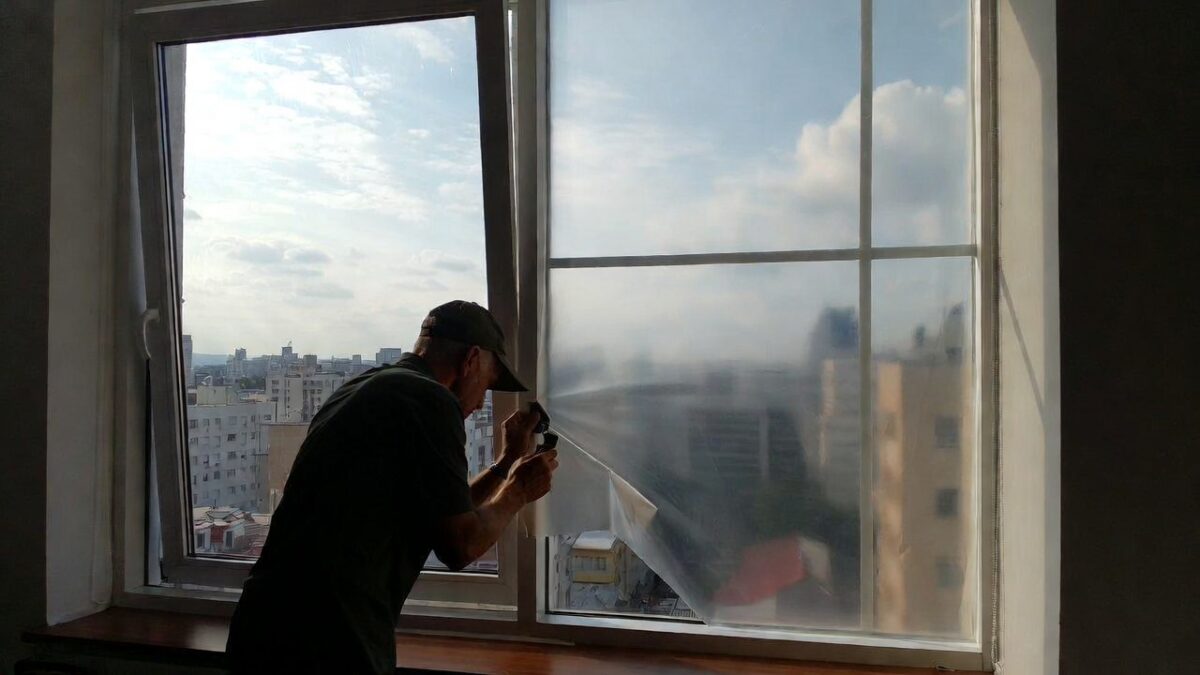
Window films are one of the most searched upgrades for offices and commercial buildings in Toronto and the GTA. Business owners look for window films when offices feel too hot near the glass, screens glare all day, floors fade, or privacy feels wrong. Glass-heavy buildings look modern, but they create daily problems fast. That’s why searches like “window films Toronto,” “office window films,” and “commercial window films near me” keep going up every year.
This article explains window films in a simple, honest way. It uses real examples from Toronto, North York, Vaughan, Markham, Mississauga, and Scarborough. It breaks down office window films and commercial window films so you can pick what actually works, not what sounds good on a sales page.
Why Window Films Matter for Toronto and GTA Buildings
Toronto weather is tough on glass. Summer sun pours through windows and heats rooms fast. Winter makes glass feel cold and drafty. Spring and fall bring low sun that hits desks and counters right in the eyes.
Older offices near Bay Street often have large windows with no protection. Newer buildings in Vaughan and Markham use modern glass, but glare and heat still show up daily. Window films help manage these problems without changing the look of the building.
Window films reduce solar heat, soften harsh light, and block UV rays. UV rays fade carpets, desks, chairs, and store displays. Window films slow this damage and help interiors last longer.
Comfort improves too. People near windows stop overheating. People farther away stop freezing. It’s not fancy, but staff notice it quick.
If you want a basic breakdown of how window films work, this guide on window films basics explains it in clear terms.
Office Window Films and How They’re Used
Office window films are window films made for places where people sit and work for long hours. This includes open offices, private offices, boardrooms, meeting rooms, and reception areas.
The main job of office window films is comfort. They reduce glare on screens and lower heat while keeping natural light.
An office near Yonge and Bloor called after staff kept closing blinds before noon. Screens were hard to read. Desks moved every day. After installing office window films, glare dropped and blinds stayed open. The office felt calmer. Less movement. Less noise.
Office window films usually look clear or lightly tinted. Clients don’t really notice them, which matters in law firms, accounting offices, and clinics.
Privacy is another reason offices use window films. HR rooms and boardrooms often use frosted films. They block views but still let light through.
Most office window films block up to 99% of UV rays. This protects vinyl floors, desks, chairs, and artwork from fading. Offices with large windows see fading fast.
Common reasons offices install window films
- Cut glare on computer screens
- Lower heat near windows
- Improve daily comfort
- Add light privacy
- Protect interiors from UV
For offices that need privacy without dark rooms, this article on privacy window film options explains different choices.
Commercial Window Films for Business Spaces
Commercial window films are a broader type of window films used across many business settings. This includes offices, retail stores, restaurants, gyms, clinics, warehouses, and mixed-use buildings.
Retail shops along Queen Street and in Mississauga plazas face strong sun most of the day. Displays fade and rooms heat up fast. Commercial window films help block UV and lower heat near storefront windows.
A clothing store in Brampton replaced mannequins twice in one year due to sun damage. After installing window films focused on UV protection, fading slowed and the store stayed cooler during peak summer hours.
Security also plays a role. Thicker safety window films help hold glass together if it breaks. This slows entry during smash-and-grab attempts and reduces flying glass.
Gyms and clinics use privacy window films so people inside feel comfortable while daylight still comes through. Restaurants use window films to reduce heat near kitchens and front windows.
If safety is a concern, this guide on security window films explains how they work.
Why businesses choose commercial window films
- Protect products from sun damage
- Reduce heat in large spaces
- Add privacy in public areas
- Improve glass safety
- Lower cooling strain
Office Window Films vs Commercial Window Films
Office window films are a type of commercial window films. The difference comes down to how the window films are used.
Office window films focus on comfort and glare control. Commercial window films focus on performance across different building types.
Office films are usually lighter and subtle. Commercial films may be thicker, darker, or reflective.
Costs vary. Office window films often cost less per square foot. Commercial window films made for safety or heavy heat control cost more due to materials and install time.
Many Toronto buildings use both. Offices upstairs use office window films. Storefronts below use commercial window films.
Seasonal Problems Window Films Help With
Summer causes the most complaints. Sun angles shift. Heat builds fast. AC systems struggle.
Spring and fall bring glare issues. Low sun hits desks and counters directly. Screens become hard to read.
Winter feels different. Glass feels cold. Drafts form near windows. Some window films help reduce radiant heat loss, though they are not insulation.
Last spring, several North York offices called after morning glare made screens unusable. After installing office window films, glare dropped and blinds stayed open.
How to Choose the Right Window Films
Start with the problem. Not the film name.
If glare and comfort matter most, office window films usually work best. If fading, security, or heat in large spaces matter more, commercial window films are often better.
Glass type matters. Older glass reacts differently than modern double-pane glass.
Looks matter too. Offices usually want clear views. Retail spaces may want reflective looks. Gyms often want privacy.
This guide on choosing the right window film helps match film types to real needs.
Cost and Long-Term Value of Window Films
Window film pricing depends on film type, glass size, and building layout.
Office window films usually cost less than thicker security films. Both help save money by lowering cooling use and reducing interior damage.
Natural Resources Canada explains how reducing heat gain lowers energy use: Natural Resources Canada – Energy Efficiency.
The U.S. Department of Energy also explains how window treatments affect heat and glare: U.S. Department of Energy – Windows.
Local Experience With Window Films in Toronto
A mid-sized office near Eglinton and Don Mills installed window films after summer complaints increased. After installation, AC use dropped and staff stopped shifting desks.
A fitness studio in Vaughan used frosted commercial window films for privacy. Members felt more comfortable and daylight stayed strong.
These results came from choosing the right window films, not guessing.
Talk to a Local Window Film Installer
If you are searching for window films in Toronto or the GTA, working with a local installer helps avoid mistakes. Local installers understand building styles, sun paths, and seasonal issues.
The right window films improve comfort, protect interiors, and lower long-term costs.
To get help choosing window films for your office or business, visit Tintly Window Films and speak with a local window film specialist.